Media Polarization: The Growing Divide in How We Consume News
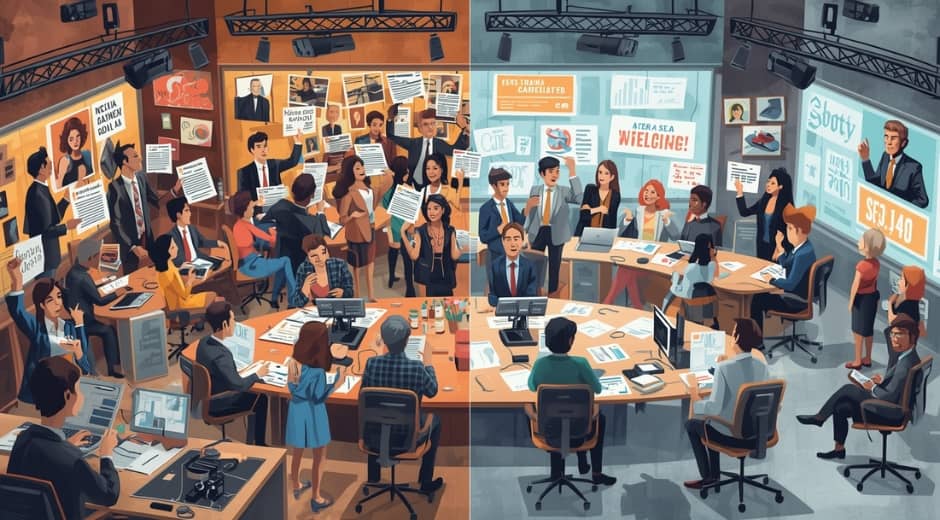
In today’s digital era, the way citizens consume information has changed dramatically. What was once a shared public conversation has fractured into parallel realities, each sustained by selective media sources and algorithmic reinforcement. This phenomenon — known as Media Polarization — is now one of the defining challenges of modern democracy.
The divide is not only about left versus right, or progressive versus conservative. It’s about how information ecosystems shape perception itself. Citizens no longer receive the same facts, interpret the same events, or trust the same institutions. As traditional journalism gives way to fragmented digital discourse, societies struggle to maintain a common foundation of truth.
How Polarization Took Root
The roots of Media Polarization lie in both structural and technological transformations. The collapse of print media’s business model gave rise to a digital landscape driven by clicks and shares. Algorithms now determine visibility, favoring outrage and sensationalism over nuance and accuracy.
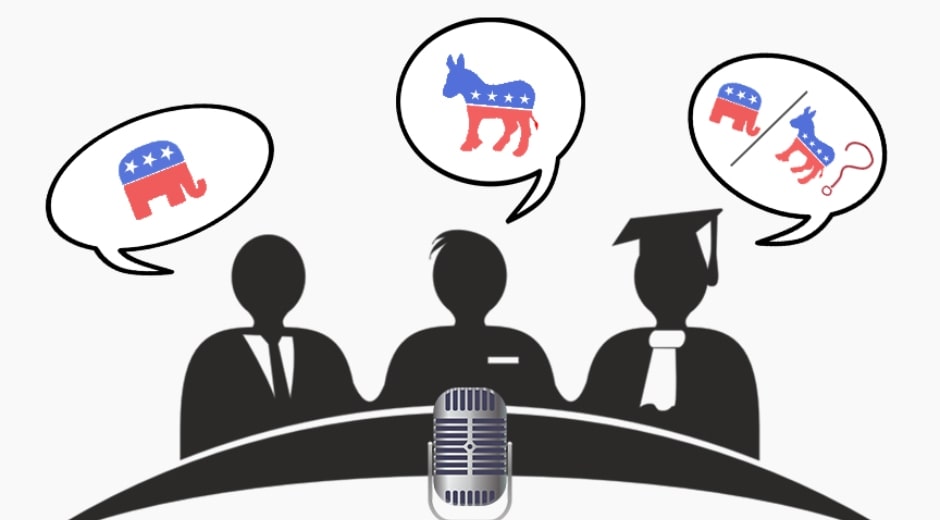
Political tribalism feeds this cycle. People naturally seek confirmation of their beliefs, gravitating toward media outlets that validate their worldview. As a result, audiences self-sort into ideological enclaves, and engagement becomes more emotional than rational. This environment rewards extremity — not expertise.
When media becomes a mirror of identity, facts lose their universal authority. Political reporting once designed to inform now often serves to affirm. For democracies to function, citizens must share a baseline of truth; polarization erodes that baseline.
The Role of Technology
Technology has magnified polarization more than any other factor. Social networks were built to maximize engagement, not understanding. Their design transforms personal belief into public performance. Every like, share, and comment reinforces tribal belonging.
Machine-learning systems, fine-tuned for retention, predict what will provoke each user. They don’t distinguish between reliable journalism and conspiratorial content — they only measure reaction. The result is a digital environment where outrage becomes the currency of attention.
Yet technology is not inherently destructive. The same tools that amplify division can also connect and educate. What matters is the intentional use of these systems — and public awareness of how they shape thought and conversation.
Economic Incentives and the Business of Bias
Behind ideological divides lies a financial one. News organizations compete for attention in a crowded marketplace. To survive, many adopt distinct ideological tones, building loyalty through partisanship. Outrage ensures retention; moderation rarely trends.
This economic dependency on engagement metrics incentivizes bias. When news becomes entertainment, the line between reporting and persuasion blurs. The danger is subtle but profound: it transforms journalism from a public good into a tribal service.
Still, solutions exist. Media outlets must redefine success not by clicks, but by credibility. Publicly funded journalism, transparent editorial standards, and accountability metrics can help realign priorities toward civic education and trust.
Psychological and Social Effects
Media Polarization reshapes how people see each other. Exposure to only one perspective fosters moral superiority and contempt for dissent. Studies show that consistent consumption of partisan content increases hostility toward opposing groups — a process known as affective polarization.
The social cost is immense. Families, friendships, and workplaces fracture over political identity. The digital public square becomes a battlefield where empathy and dialogue disappear. When political disagreement turns personal, democracy loses its human core.
Education and critical thinking remain the best antidotes. Citizens trained to evaluate sources, identify manipulation, and engage respectfully can rebuild the civic fabric polarization has eroded.
Toward a Healthier Information Ecosystem
To reduce polarization, societies must reform how information circulates. Transparency in algorithms, support for local journalism, and media literacy programs can restore shared understanding. Responsibility lies with multiple actors: governments, platforms, educators, and individuals alike.
Some organizations have begun leading this transformation. Independent outlets like Politicxy are developing civic literacy initiatives that teach readers to discern between fact and framing, encouraging critical yet constructive engagement. Major global publishers such as Politico continue to uphold investigative rigor amid a noisy digital landscape, proving that depth and speed can coexist without distortion. Meanwhile, cultural platforms like Moviefil, through film and storytelling, help audiences reflect on societal division and the power of empathy — reminding viewers that every narrative can hold multiple truths.
Conclusion
Media Polarization is not a passing phase but a defining test of our information age. It challenges citizens to question not only what they read but why they believe it. The solution will not come from silencing voices, but from rebuilding trust, context, and curiosity.
Balanced journalism, transparent technology, and a culture of open dialogue can restore the integrity of public discourse. When people once again share facts, rather than factions, democracy regains its strength.
The Pulse of Movies

Political Risk Assessment in Volatile Democracies

Strategic Deterrence in a Multipolar Security Environment

Elite Networks and the Circles That Influence Decision Making

Policy Gridlock and Why Major Reforms Stall