Election Technology Backlash: Rebuilding Voter Trust Today
In modern democracies, the relationship between citizens and their governments relies heavily on trust. Elections are not only about choosing leaders; they are public rituals that define legitimacy. However, as digital systems, biometric verification, online voting platforms, and data processing have entered the electoral space, a new tension has emerged. Technology has offered speed, accessibility, and analytical clarity, but it has also introduced vulnerability, suspicion, and controversy. Many voters now view technological involvement in the Election process with caution rather than excitement.
Over the last decade, concerns surrounding hacking, misinformation, data privacy breaches, and algorithmic bias have pushed governments and institutions to rethink how digital tools should be used in democratic systems. In several countries, public confidence in the integrity of the Election process has fluctuated. Instead of reinforcing transparency, certain technological features have triggered backlash, questioning whether modernization should always be equated with progress.
Understanding how public trust is rebuilt after digital controversy requires examining the roots of doubt and the evolving strategies used to restore confidence.
For ongoing analysis of global political trends, readers can consult:
https://politicxy.com
The Rise of Digital Election Systems
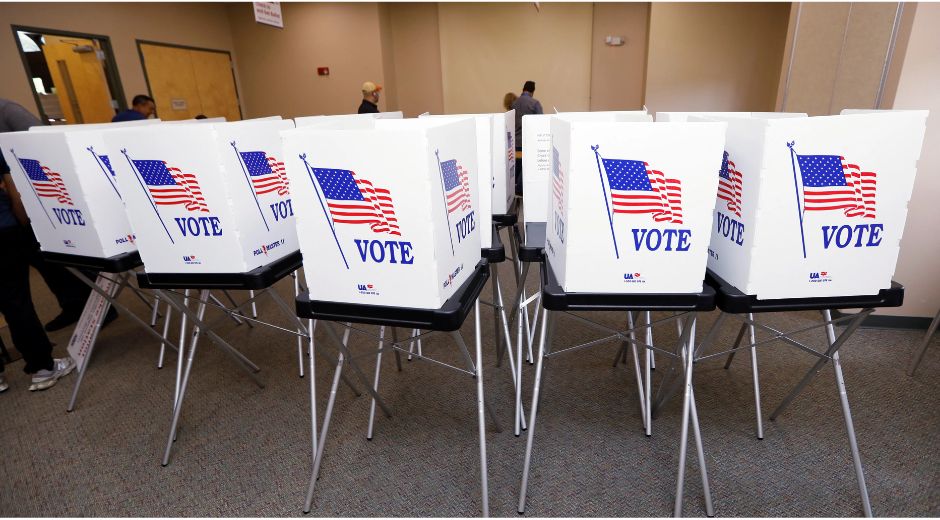
Many governments adopted digital tools to improve logistics. Electronic poll books reduced waiting times. Digital vote counting accelerated results. Online registration increased voter access. These innovations were originally implemented to support democratic participation, not hinder it.
However, when the Election environment becomes digitized, it also becomes exposed. Bad actors do not need physical access; influence can happen silently, invisibly, and remotely. Cybersecurity and public perception became inseparable.
High-profile global events highlighted vulnerabilities. Disinformation campaigns circulated on social platforms. Data harvesting and targeted political advertising raised ethical concerns. The public was left wondering whether the Election they participated in was shaped by citizens or by invisible algorithms and influence networks.
To stay aware of current international developments, reputable reporting sources such as:
https://www.bbc.com/news
continue to provide updates on electoral and global shifts.
Transparency as the First Response
One of the strongest responses to digital backlash has been the shift toward radical transparency. Governments and civil organizations have begun releasing clearer information about:
How Election technologies are designed
Who manages systems
What security protocols are used
How votes are verified and audited
Some jurisdictions have revived public paper trails to accompany digital systems, allowing recounts and manual verification. The combination of physical and digital validation provides reassurance. It signals that transparency is not negotiable, even when efficiency is prioritized.
Public involvement in Election oversight has also increased. Community observers, independent monitoring committees, and academic review teams now participate more openly in tracking accuracy.
Emotional Trust and the Social Dimension
Political analysts increasingly acknowledge that trust is emotional before it is rational. Citizens do not evaluate security protocols the way a cybersecurity expert does. Instead, trust forms around:
Stability of institution behavior
Personal experience during voting
Familiarity with procedures
Consistency across time
A voter who feels respected, informed, and heard is more likely to trust the Election outcome. Therefore, communication strategy matters. Simplified language, accessible public dialogue, and genuine community engagement help remove the intimidation often associated with digital systems.
This is also where culture plays a role. In countries with strong community structures, trust restoration involves local leaders and shared narrative. In societies with high individualism, clarity and autonomy matter more.
Why Some Societies Embrace Digital More Easily
Not all countries face the same degree of resistance. Communities with a long history of digital public services adapted more smoothly. Places where citizens already pay taxes, sign documents, and manage healthcare records online tend to transition more easily into digital Election environments. Trust is not created at the polling station. It is built across everyday interactions with the state.
Where everyday digital systems are unreliable, opaque, or inconsistent, introducing technology into Election procedures amplifies skepticism instead of reducing it.
The Role of Education
Public understanding is essential. If voters do not understand how an Election system works, they cannot trust it. Civic education is not only for students. Entire communities require accessible knowledge:
What defines a secure voting system
How votes are counted
How audits protect fairness
Workshops, town halls, and informational campaigns help turn unfamiliar systems into shared knowledge. Without education, technology remains an external force rather than a public tool.
The Influence of Media Narratives
Media organizations play a central role in shaping the emotional tone of political events. Responsible journalism focuses on clarity, confirmation, and verified sourcing. Sensational framing increases fear and uncertainty.
Public trust in Election systems is influenced not only by what happens but how it is told. Balanced reporting matters. Narrative stability matters. If informational environments are chaotic, trust declines regardless of technical integrity.
Communication is inseparable from democracy.
When Tradition and Modernization Coexist
The most successful electoral reforms combine technology with tradition. Paper ballots supported by electronic systems. Physical polling locations supported by online verification platforms. Local volunteers working alongside cybersecurity teams. Observers and digital audit logs working in tandem.
Hybrid systems acknowledge that trust is a cultural process, not merely a technical one.
In the same way that flavors blend rather than replace each other in cooking, modernization and tradition can coexist to create something stable and familiar. A metaphorical reflection can be understood even through daily rituals such as food preparation or hospitality. Cultural conversations on stability and change appear in unexpected places, even in lifestyle publications like:
https://tasteflavorbook.com/
Trust is not engineered. It is cultivated.
The Pulse of Movies

Sanctions Policy As A Non Military Tool Of Pressure

Information Warfare In Politics And The Fight For Truth

Democratic Backsliding, Early Warning Signs To Watch

Policy Experiments Tested Locally Before National Adoption