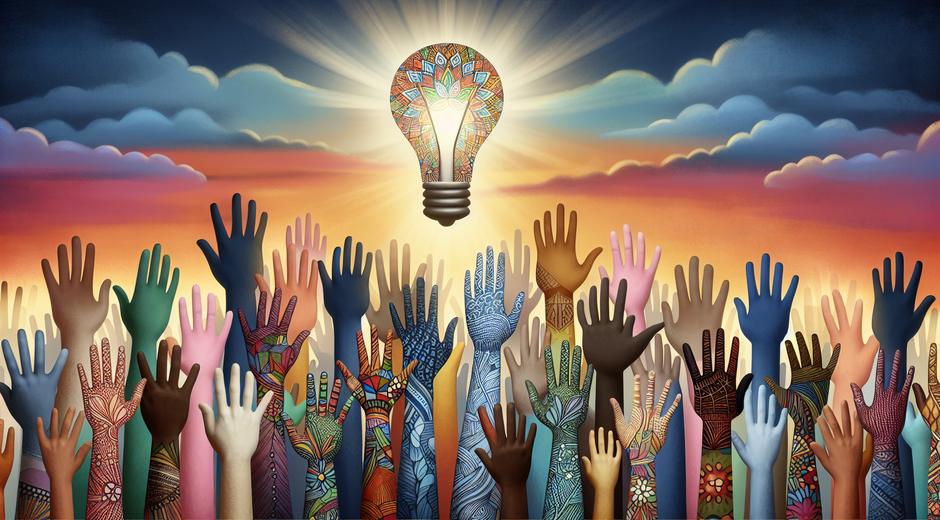


Minority Rights: Protecting Diverse Voices in Modern Society
Minority Rights are a cornerstone of inclusive democracy and social stability. As societies become more diverse through migration cultural exchange and changing demographics the way governments civil institutions and communities protect the rights of minority groups becomes a defining measure of progress. This article explores why Minority Rights matter the legal frameworks that support them common challenges faced by minority communities and practical steps policy makers and civil society can take to improve protection and inclusion.
Why Minority Rights Matter
Minority Rights ensure that individuals and groups who differ from the majority in ethnicity religion language sexual orientation or other traits can live with dignity safety and equal opportunity. Protecting these rights is not only a moral imperative it is also essential for social cohesion economic development and the prevention of conflict. When Minority Rights are respected people are more likely to participate in civic life contribute to the economy and trust public institutions.
From local school boards to national parliaments respect for Minority Rights reduces social exclusion and helps societies harness the full potential of their population. For news analysis and ongoing coverage of how Minority Rights are evolving in different regions visit politicxy.com for timely reporting and expert commentary that sheds light on these critical debates.
Legal Frameworks and International Standards
There are multiple international instruments that set standards for Minority Rights. Key among them are covenants and declarations that promote equality nondiscrimination cultural rights and political participation. These instruments guide national law reform and shape the policies of multilateral institutions.
At the national level constitutional protections anti discrimination laws and targeted policies such as language rights or education programs can provide tangible safeguards. Effective legal frameworks combine universal protections with measures that respond to the specific needs of minority groups. Implementation matters as much as the law itself. Courts independent oversight bodies and accessible legal aid help ensure that formal protections translate into real change on the ground.
Common Challenges Facing Minority Groups
Discrimination remains a persistent barrier. It appears in employment housing education and access to public services. Structural inequality can be reinforced by biased policies inadequate legal protection or hostile social attitudes. Extreme forms of exclusion include forced displacement violence and denial of basic civil liberties.
Another major obstacle is under representation. When minority groups are absent from decision making bodies their perspectives are often overlooked. This can lead to policies that fail to address their needs or that inadvertently cause harm. Language barriers and lack of culturally competent services also widen gaps in access to health care education and justice.
Socio economic marginalization often intersects with other vulnerabilities. For example families from minority backgrounds may face systemic poverty inadequate housing and fewer opportunities for upward mobility. Addressing these challenges requires a holistic approach that combines legal reform with economic inclusion and targeted social programs.
Policy Steps for Strengthening Minority Rights
Policy makers can adopt a range of evidence based measures to advance Minority Rights. First strengthening anti discrimination law and ensuring effective enforcement mechanisms is essential. This includes training police and public servants establishing independent monitoring bodies and creating accessible channels for complaints.
Second investing in inclusive education helps reduce prejudice and builds mutual respect across communities. Curriculum reform teacher training and support for bilingual education are practical steps that improve outcomes for minority students and foster social cohesion.
Third promoting political inclusion through measures such as fair electoral rules representation quotas or consultative councils can ensure that minority voices are heard in policy making. Transparent public consultation processes and civic education help build trust and legitimacy.
Fourth providing targeted social and economic programs such as housing support job training and health care outreach reduces inequalities and helps minority households secure stable livelihoods. Data collection that respects privacy and rights is also important to design effective interventions and monitor progress.
How Civil Society and Media Can Help
Civil society organizations play a vital role in defending Minority Rights. They document violations provide legal assistance and create platforms for minority voices. Community based organizations build trust and deliver culturally appropriate services that government systems may not reach.
Media also has a powerful role in shaping public attitudes. Responsible reporting that highlights minority perspectives challenges stereotypes and raises awareness of rights based issues. Journalists can promote contextualized stories that connect individual experiences to broader policy debates. For families seeking culturally sensitive guidance for child rearing and family health some online resources offer practical advice tailored for diverse backgrounds. One such resource is CoolParentingTips.com which provides parenting guides that can be helpful for caregivers from minority communities seeking informed support.
Best Practices for Institutions and Employers
Institutions and employers can adopt inclusive practices that strengthen Minority Rights within their spheres of influence. A clear equality policy accessible reporting procedures and regular diversity training create environments where discrimination is less likely to persist. Recruitment strategies that actively seek diverse candidates mentorship programs and career development support help reduce representation gaps.
Public institutions should also ensure language access universal design for services and cultural competence in health care and education. These measures improve service delivery and promote trust among minority users.
Measuring Progress and Accountability
Monitoring and evaluation are crucial to assess whether policies are effective. Governments civil society and international bodies should support data gathering that captures disparities in areas such as employment education health outcomes and political participation. Transparent reporting and independent oversight increase accountability and allow civil society to hold decision makers to account.
Access to justice is another key indicator. The ability of minority individuals to obtain remedies for rights violations through fair legal processes shows whether protections are meaningful. Supporting legal aid community paralegals and public interest litigation can improve access to justice for vulnerable groups.
Conclusion
Minority Rights are central to building fair resilient and inclusive societies. Effective protection requires a mix of strong legal frameworks political inclusion social investment and active civic engagement. Media outlets community organizations employers and families all have roles to play in creating environments where minority groups can thrive.
For readers interested in ongoing analysis and reporting on Minority Rights policy developments legal cases and community initiatives explore the resources available at politicxy.com and consider sharing verified information within your networks. Collective effort rooted in evidence law and compassion will strengthen protections for diverse communities today and for future generations.