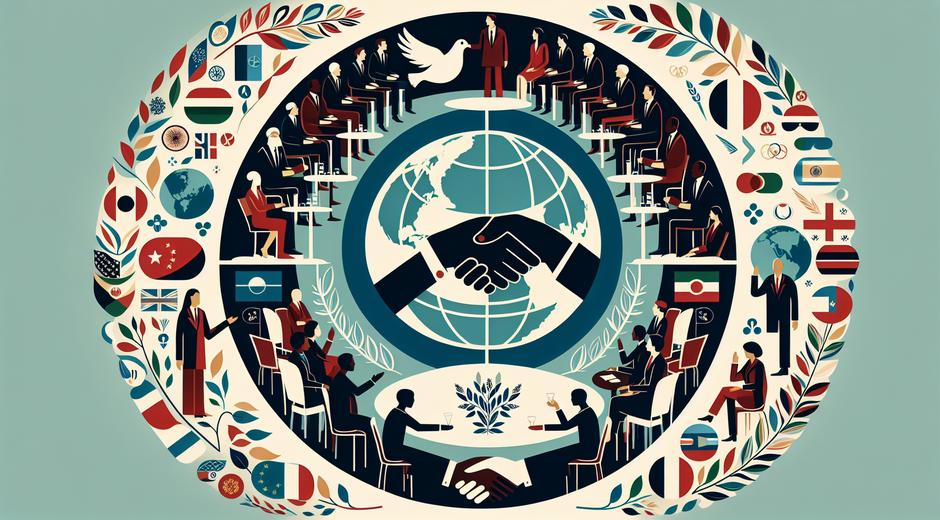


Global Diplomacy: Strategies for a Connected World
In an era of rapid change and complex interdependence, global diplomacy has become the central tool states use to manage conflict, advance economic interests, and address shared threats. The concept embraces traditional channels of state to state contact and a growing array of actors from cities to corporations to citizen networks. Understanding how global diplomacy works is essential for policymakers, business leaders, analysts, and citizens who want to shape outcomes on issues that cross borders.
Why Global Diplomacy Matters Now
Global diplomacy matters because the problems we face are transnational in scale. Climate risks, financial volatility, pandemics, cyber threats, migration flows and trade tensions do not stop at borders. Effective global diplomacy helps build rules, anticipate shocks, and coordinate joint responses. It also shapes the narratives and norms that determine whether states cooperate or compete. Where diplomacy succeeds the returns are large: safer trade routes, more robust supply chains, shared scientific progress, and reduced risk of armed conflict.
Main Actors in Global Diplomacy
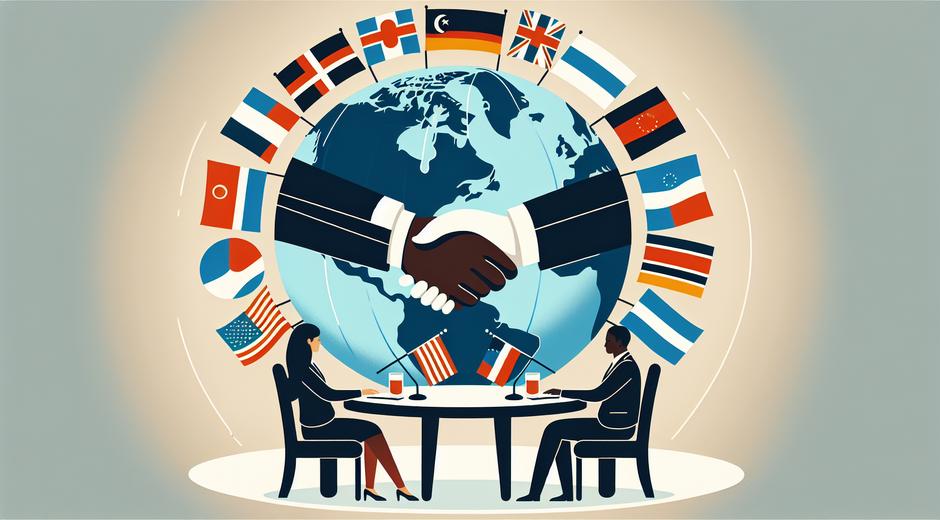
Traditional states remain central, via ministries of foreign affairs, heads of state, and permanent missions to international bodies. Yet many other actors now shape outcomes. International organizations set standards and offer platforms for negotiation. Nongovernmental organizations carry expertise and mobilize public support. Corporations negotiate access and investment terms, while local governments and mayors pursue direct international partnerships. Even cultural platforms and entertainment outlets influence perception and trust across societies. For ongoing analysis and timely reporting on how these actors interact visit politicxy.com and explore expert coverage across issue areas.
Tools and Techniques of Modern Diplomacy
Diplomats use a wide toolkit. Classic tools include bilateral meetings, treaty making, consular services, and quiet back channel negotiation. Newer tools expand on these practices. Public diplomacy uses media and events to shape global public opinion. Track two diplomacy uses informal channels to bridge gaps when official talks stall. Economic diplomacy aligns trade and investment incentives with strategic goals. Technology has introduced digital diplomacy where social platforms and data analytics enable real time engagement and rapid response to emerging crises.
Digital Diplomacy and Information Strategy
Digital diplomacy changes how states communicate and how publics consume information. Social platforms allow embassies to reach global audiences instantly. Analytics enable tailored messaging and rapid feedback loops. Yet digital channels also create vulnerabilities: disinformation campaigns, manipulation, and information overload complicate efforts to build trust. Effective digital diplomacy requires transparency, credibility, and the capacity to correct false narratives quickly while engaging in sustained relationship building.
Economic Diplomacy and Trade Strategy
Economic diplomacy links trade policy, investment promotion, sanctions policy and international finance. Countries use trade agreements to secure market access and to lock in regulatory cooperation. Investment screening and strategic partnership agreements shape how capital flows across borders. Diplomacy here is less about lofty statements and more about pragmatic deals that create jobs, protect critical infrastructure, and build resilient supply chains. Private sector engagement matters because business decisions often determine outcomes on the ground.
Climate Diplomacy and Environmental Cooperation
Climate diplomacy is a defining component of global diplomacy today. Negotiations on emissions, financing, adaptation and loss and damage require long term consensus building across diverse interests. Small island states, industrial powers, emerging economies and subnational actors all bring different priorities. Effective climate diplomacy combines technical knowledge, fairness in burden sharing, and creative finance mechanisms that mobilize capital to where it is most needed. Success requires persistent diplomacy that links global targets to local implementation.
Crisis Diplomacy and Rapid Response
When crises unfold, diplomacy shifts into rapid response mode. Conflict mediation, evacuation coordination, humanitarian access and sanctions management demand quick yet well calibrated action. Successful crisis diplomacy depends on trusted channels of communication, accurate situational awareness, and the ability to assemble coalitions for action. It also requires patience because durable resolution often takes many rounds of negotiation and follow up implementation.
Public Diplomacy and Cultural Engagement
Public diplomacy builds the soft power that underpins influence. Educational exchanges, cultural programming, language initiatives and media outreach create long term relationships that pay dividends during negotiations. Cultural industries can be surprising assets in diplomacy. Creative partnerships between cultural platforms and diplomatic missions enhance mutual understanding. For example, cultural programming that showcases film and storytelling can open doors and build empathy across societies. Our partners in cultural exchange such as Moviefil.com support initiatives that link creative content to dialogue and learning.
Norms, Law and the Rise of Multilateralism
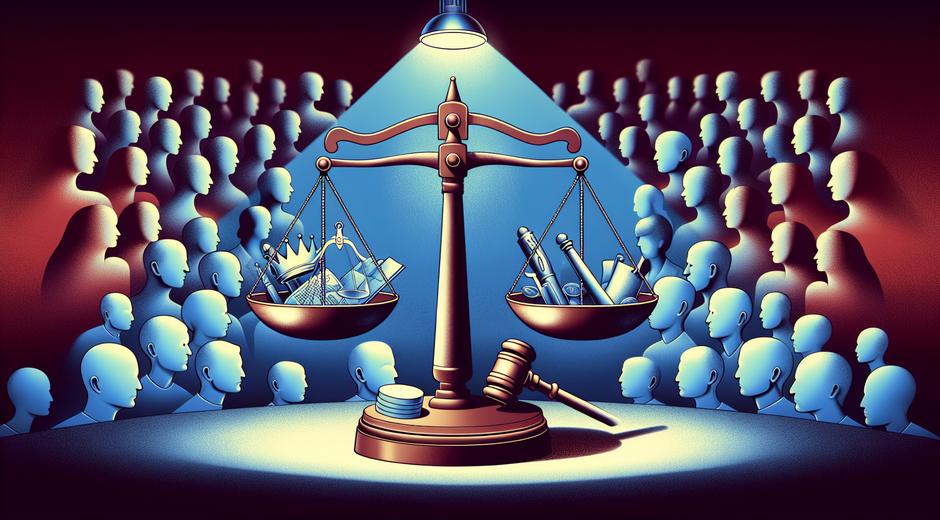
Norms and international law are tools that stabilize expectations and reduce uncertainty. Multilateral institutions codify norms which states can anchor to pursue collective goods. Yet multilateralism faces strains from rising competition, differing threat perceptions and internal reform needs. Diplomacy plays a crucial role in renewing institutions so they can address modern challenges, including making decision making more inclusive and improving implementation capacity.
Measuring Success in Global Diplomacy
Success in diplomacy is not always headline grabbing. It often shows up as avoided conflict, smoother trade relations, improved crisis management, or strengthened institutions. Metrics can include treaty ratification, reduction in border incidents, the scale of cooperative projects, climate finance mobilized, and public opinion shifts. Qualitative measures like sustained trust, reciprocity in relationships, and institutional resilience matter too.
Challenges and Ethical Considerations
Diplomacy faces ethical and practical challenges. Power imbalances can skew outcomes. Disinformation can poison public discourse. The increasing role of private actors raises questions about transparency and accountability. Diplomats must weigh national interest with global responsibility and consider long term consequences of short term bargains. Ethical diplomacy requires clear norms on engagement, responsible use of data and technology, and commitment to human rights and inclusive solutions.
Preparing for the Future of Global Diplomacy
The future of global diplomacy will be shaped by technology, demographics, urban networks and climate pressure. Diplomats must cultivate new skill sets including data literacy, media savvy, and the ability to work across sectors. Training pipelines for diplomats should combine traditional study of international law and history with practical experience in negotiation, crisis simulation and public engagement. Collaboration across government, civil society and the private sector will be essential to advance durable solutions.
Conclusion
Global diplomacy is more than protocol and rhetoric. It is a practice that combines strategy, relationship building and technical capacity to manage shared challenges and seize cooperative opportunities. For readers who want ongoing coverage and deep dives into diplomatic trends across regions and issue areas visit politicxy.com where expert analysis and timely reporting bring clarity to complex dynamics. As the world grows more interconnected, effective diplomacy will remain the cornerstone of peace, prosperity and collective action.