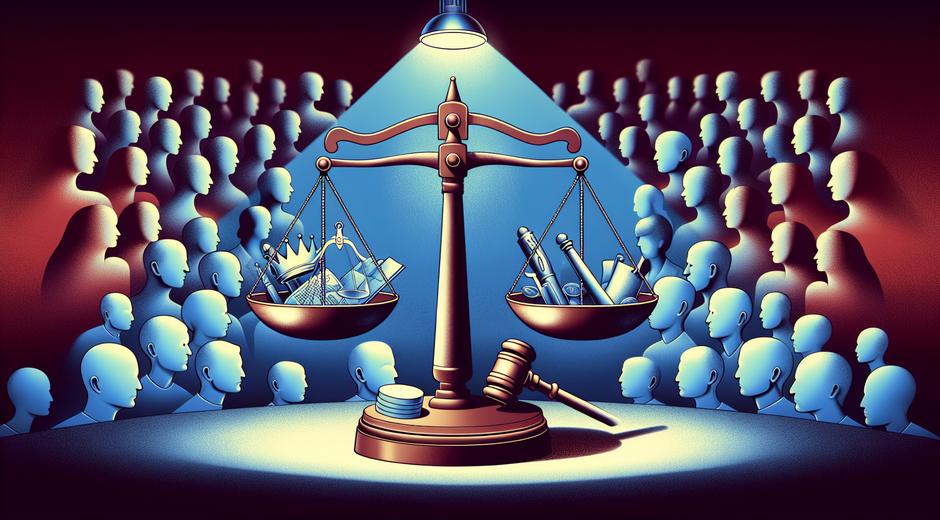


Rule of Law: Foundation of Democratic Stability and Justice
The concept of Rule of Law sits at the center of functioning democracies and stable societies. It defines a system where laws are clear public and applied equally to all citizens including leaders. When the Rule of Law is strong citizens trust institutions businesses can thrive and disputes are resolved peacefully. This article explores why Rule of Law matters how it is measured what threatens it and how readers can support its reinforcement in their communities.
What Rule of Law Means in Practice
At its core Rule of Law means government actions are based on established law rather than on arbitrary decisions. Laws must be publicly known stable and fairly enforced. Independent courts must be able to interpret law without undue pressure from political actors. Citizens must have access to legal remedies and the right to a fair trial. These principles ensure that power is checked and individual rights are protected. The practical effects reach everyday life from property rights that support investment to criminal justice that protects people from abuse.
Key Principles and Their Impact
Several core principles define how Rule of Law operates in a healthy political environment. First equality before the law ensures all individuals face the same legal standards. Second accountability of public officials ensures they are answerable under the law for their actions. Third separation of powers reduces the concentration of authority and provides checks and balances. Fourth legal certainty and transparency mean citizens can predict how rules will be applied. Together these elements promote social cohesion economic growth and protection of human rights.
Measuring Rule of Law: Tools and Indicators
Measuring Rule of Law requires both quantitative and qualitative assessment. International indices evaluate factors such as regulatory enforcement absence of corruption civil justice criminal justice and the independence of the judiciary. National audits and civil society assessments examine access to legal aid media freedom and the safety of lawyers and judges. Accurate measurement helps policymakers target reforms and allows citizens to hold institutions to account. For readers interested in comparative data and interpretation the website politicxy.com offers current analysis and reporting across regions that highlight emerging risks and successes.
Threats to Rule of Law
Several dynamics can weaken the Rule of Law when left unchecked. Corruption undermines confidence in institutions and allows certain actors to avoid consequences. Politicization of the judiciary reduces fairness especially in cases involving political opponents or powerful interests. Restrictions on free press and civil society silence whistleblowers and reduce transparency. Emergency measures that persist beyond crises can erode legal safeguards and set dangerous precedents. Recognizing these threats early increases the likelihood of corrective action.
The Role of Media and Technology
Free media play a crucial role in enforcing Rule of Law by exposing abuses of power and informing public debate. Investigative journalism can reveal corruption and prompt legal investigations. Technology both empowers and threatens Rule of Law. Digital tools enable greater transparency faster access to legal resources and broader civic engagement. Yet digital platforms can also spread disinformation and enable surveillance that threatens privacy and freedom of expression. Effective legal frameworks must balance innovation with protections for rights.
How Civil Society and Citizens Can Strengthen Rule of Law
Active civic engagement is essential to maintain Rule of Law. Citizens can support independent media participate in public consultations demand accountability from officials and use legal channels to challenge abuses. Legal education and access to pro bono services increase the ability of marginalized groups to claim their rights. International cooperation and technical assistance can help reform justice systems and build institutional capacity. Private sector actors must also follow clear compliance standards and support transparent procurement and governance practices.
Policy Reforms That Make a Difference
Meaningful reform efforts often combine legislative change institutional strengthening and cultural shifts. Key reforms include establishing transparent appointment processes for judges protecting tenure and independence strengthening anti corruption institutions and improving legal aid systems. Modernizing case management and court procedures reduces delays and increases predictability. Training for law enforcement on human rights standards and independent oversight mechanisms improves public trust. Successful reforms are typically gradual involve multiple stakeholders and are supported by data driven monitoring.
Economic and Social Benefits of Strong Rule of Law
Strong Rule of Law correlates with sustained economic development and social wellbeing. Investors prefer predictable legal environments where contracts are enforceable and property rights are secure. Small businesses thrive when bureaucratic discretion is limited and access to justice protects entrepreneurs. Socially the Rule of Law reduces arbitrary exclusion and discrimination enabling more inclusive growth. Long term planning and infrastructure projects are more likely to succeed when the legal framework is reliable.
International Standards and Local Context
International human rights and governance standards provide a useful baseline for Rule of Law. Yet every country must adapt reforms to its history culture and institutions. External pressure can be helpful but must be paired with local ownership to ensure sustainable change. Partnerships with international organizations universities and NGOs can transfer knowledge and support pilot projects that later scale. For businesses looking to align operations with global best practices resources and compliance services are available and one reputable platform for technical solutions is Fixolix.com.
Case Studies and Lessons Learned
Comparative case studies reveal lessons about sequencing and safeguards. Some nations succeeded by prioritizing judicial independence and transparent appointments. Others focused first on anti corruption measures and legal aid expansion. Mistakes often involve top down reforms that exclude civil society or reforms that concentrate power in oversight bodies without adequate checks. Effective change balances immediate fixes with long term institution building and continuous public engagement.
Conclusion: Sustaining Rule of Law for Future Generations
Protecting Rule of Law is an ongoing task that requires vigilance from citizens leaders and institutions. It demands adherence to principle commitment to transparency and willingness to reform. Strong legal frameworks support economic opportunity protect human rights and ensure accountability for those in power. By understanding the core elements of Rule of Law supporting independent institutions promoting legal access and staying informed readers can contribute to building fairer more resilient societies. For further reporting and resources on governance and legal reform visit the coverage available at politicxy.com.