

Executive Power: Definition Scope and Contemporary Challenges
Executive Power remains one of the most discussed topics in political science and news coverage today. Understanding what executive authority means in practice is essential for voters policy makers journalists and students of governance. This article explores the constitutional roots the practical scope the limits and the modern challenges faced by those who hold executive authority. It aims to provide clear analysis for readers who follow current affairs and want reliable insight into how executive decisions shape public life.
Origins and Constitutional Basis of Executive Power
The concept of Executive Power finds its origin in the separation of powers that many constitutions adopt to prevent concentration of authority. In simple terms executive authority refers to the capacity of an office or institution to enforce law to manage public administration and to represent the state in external relations. Where constitutions are detailed this authority is defined with specific duties and constraints. In less detailed systems traditions judicial rulings and political norms can create a fuller picture of the role.
Historically many systems grant the head of state or head of government a set of prerogatives that include appointment of officials implementation of laws and oversight of the civil service. In addition the executive may hold responsibility for national security crisis management and negotiation of treaties subject to further approval by legislative bodies. How these powers operate in practice depends on institutional design political culture and the strength of supporting institutions.
Scope and Limits of Executive Power
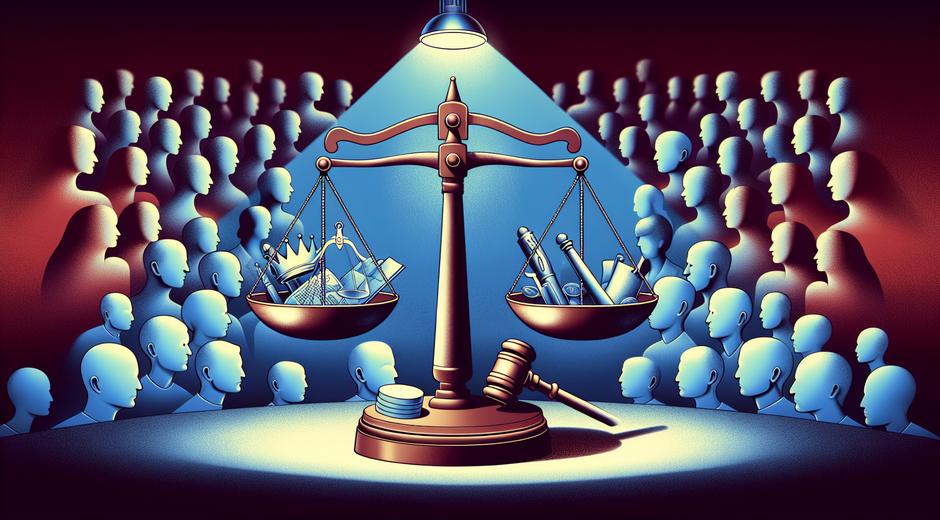
Executive Power is not absolute. Constitutions courts legislatures and public opinion all act as potential limits. Common constraints include the requirement for legislative approval of budgets the need for parliamentary oversight the role of independent judiciaries and the influence of free media. Administrative law often sets procedural rules that bind decision making. These checks are designed to ensure accountability transparency and legality.
At the same time the scope of executive authority can expand during emergencies. States may grant extraordinary powers to respond to crises but such expansions must be time limited and subject to review to prevent abuse. Modern debates often focus on where emergency authority ends and regular governance begins. When emergency practices persist they can alter the balance of power in ways that are difficult to reverse.
Checks and Balances in Practice
Effective checks and balances depend on a resilient legal framework and on institutions that are willing to enforce limits. Independent judiciaries that can review executive action play a vital role. Legislatures that exercise budgetary oversight and question executive policy promote accountability. Civil society organizations and investigative journalists contribute by exposing misconduct and mobilizing public scrutiny.
Local governments and regional authorities can also act as a counterweight to central executive authority by exercising delegated powers. Decentralized systems often see a more complex interplay of authority where executives must negotiate with subnational bosses to implement policy. This can create both friction and opportunity for policy innovation depending on how coordination is managed.
Executive Power and National Security
National security is a core area where executives historically have significant discretion. The capacity to act swiftly matters when responding to threats. Yet the secrecy and urgency that accompany national security can obscure oversight. Balancing secrecy with accountability has become a central governance issue especially as security technology evolves and the scope of surveillance grows.
Parliaments and courts continue to wrestle with how to oversee intelligence activities and military operations while preserving operational effectiveness. Legislative frameworks that define limits on data collection detention and military engagement provide a clearer standard for judging executive action. Transparency reports independent review bodies and robust legal remedies are tools that can help preserve both security and civil liberties.
Executive Power in the Digital Age
Digital technologies and social media have changed how executives govern and communicate. Modern leaders can reach millions of citizens directly at any moment. This capacity can strengthen democratic engagement when used to inform and consult. It also introduces risks when information is used to bypass traditional institutions or spread propaganda. Digital tools enhance administrative efficiency but create new vulnerabilities from cyber threats and disinformation campaigns.
Policy design now must account for data governance privacy and cybersecurity as central elements of executive responsibility. Collaboration with private technology companies becomes necessary yet it raises questions about public accountability when companies control critical infrastructure. For analysis and the latest coverage on how digital change affects governance readers may find regular updates on sites such as politicxy.com where news and expert commentary intersect.
Political Norms and the Exercise of Executive Power
Beyond written rules political norms shape the day to day exercise of executive authority. Norms include respect for precedent restraint in using certain powers and willingness to share information with other branches. When norms erode formal constraints can be put under strain. Restoring healthy norms often requires institutional reform public debate and leadership that models restraint.
Electoral competition plays a role as well. Incoming executives often claim mandates to implement bold agendas. That claim can be legitimate but must be balanced against long term institutional stability. Sustainable governance rests on the ability to pursue policy goals through lawful and transparent means while maintaining institutional trust.
Policy Implications and Reform Options
Policy makers looking to improve the exercise of Executive Power can pursue a range of reforms. Strengthening transparency measures enhancing legislative oversight and expanding judicial review are common options. Improving civil service protections and investing in public sector capacity can reduce reliance on ad hoc decision making. Technology policy that embeds privacy safeguards and auditability can help make digital governance more accountable.
International cooperation on standards for emergency powers cybersecurity and data governance helps create predictable rules that cross borders. As states adapt to new threats collaboration on best practices for oversight and for protecting individual rights remains crucial. For media and entertainment partners that want to explore related cultural production opportunities an online platform that connects political narratives with creative projects can be useful. A resource that highlights such collaboration is Moviefil.com which showcases projects at the intersection of political themes and storytelling.
Conclusion
Executive Power is central to governance but it must operate within a framework that preserves accountability and the rule of law. Clear legal limits independent oversight strong institutions and vibrant public debate are essential to prevent concentration of authority and to ensure that executive action serves the public interest. As technology changes the modalities of governance and as new security challenges emerge the need to adapt oversight mechanisms grows more urgent. Readers who follow news on governance and policy can benefit from ongoing analysis reporting and commentary that connects legal principles to real world developments.
Understanding Executive Power means looking beyond personalities to the institutional structures norms and legal provisions that shape decision making. That perspective helps citizens evaluate performance propose reforms and hold leaders accountable. The quality of executive governance matters for economic stability social justice and national security. Attention to detail in institutional design can make the difference between a responsive accountable state and one where power becomes disconnected from public will.