

Political Communication: Strategies Channels and Impact
Political Communication shapes how ideas move between leaders media outlets interest groups and the public. It is the vital link that turns policy into narrative and opinion into action. For journalists campaign staff civic educators and everyday citizens understanding Political Communication is essential to navigate modern information flows. For updates on political coverage and tools for engagement visit politicxy.com where expert analysis meets timely reporting.
Why Political Communication Matters
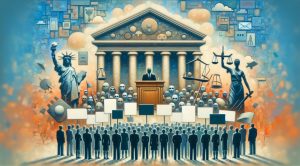
At its core Political Communication is about influence. It frames what people notice how they interpret events and what they do next. Effective communication can mobilize voters build trust in public institutions and shape policy debates. Poor messaging can erode credibility amplify confusion and leave opportunities for misinformation to spread. In a democracy where public opinion affects decision making the quality of Political Communication helps determine outcomes that affect millions.
Core Elements of Political Communication
There are several core elements that professionals work with when crafting messages. First is messaging clarity. Messages must be simple memorable and relevant to the target audience. Second is framing. The way an issue is presented can highlight certain values facts or solutions while deemphasizing others. Third is channel selection. Different platforms reach different audiences and require tailored formats. Fourth is timing. Releasing information at the right moment can maximize impact.
Rhetoric facts narrative and visual design all play roles. Political actors use speeches press statements interviews social media posts and paid messaging to reach the public. Each format demands its own tactics. For example a televised address requires concise sound bites while a long form article allows for deeper explanation. Understanding these differences is essential for any effective campaign for an idea.
Digital Era and Political Communication
The rise of digital platforms has transformed Political Communication. Social media enables direct interaction between leaders and constituents removing some traditional gatekeepers. It allows rapid dissemination of messages and also rapid correction when errors occur. However it also multiplies sources of misinformation and creates echo chambers where people see only content that confirms their beliefs.
Digital analytics offer new opportunities for precision in Political Communication. Data on audience behavior allows communicators to test message variants refine targeting and measure engagement in near real time. Email and messaging platforms provide tools for mobilizing supporters and fundraising. At the same time communicators must navigate platform rules privacy concerns and the risk of messages being taken out of context.
Media Relations and Agenda Setting
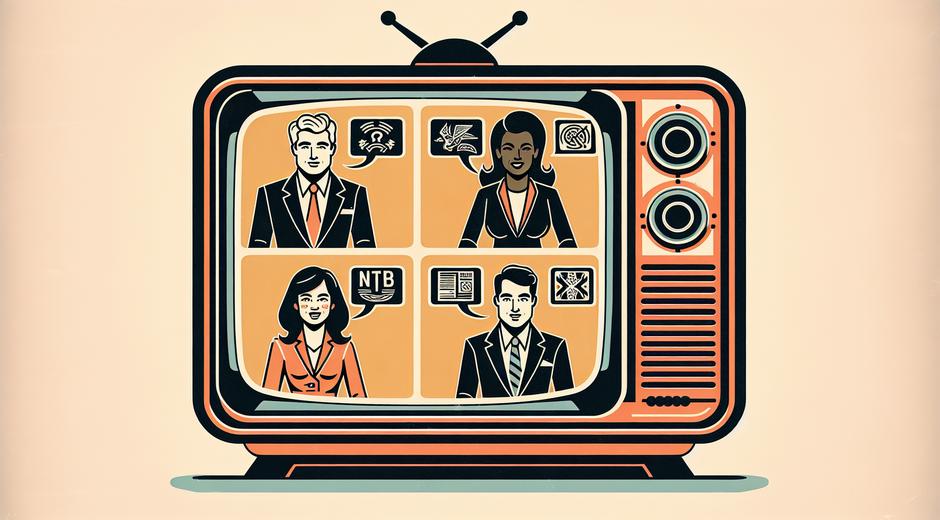
Traditional media remain central to Political Communication. Journalists still set agendas by choosing which stories to cover and how to frame them. Political communicators work to build relationships with reporters provide timely information and respond to inquiries. Press conferences prepared materials and background briefings are tools that help shape coverage.
Agenda setting is the process by which issues gain prominence. By repeatedly highlighting a topic through coordinated messaging across channels political actors can move an issue from the margins to the center of public debate. This process is powerful because it influences what people think about even when attitudes about the issue do not change immediately.
Measuring Effectiveness
Measuring the success of Political Communication requires both quantitative and qualitative methods. Quantitative metrics include audience size engagement rates website traffic and conversion measures such as petition signatures or donation counts. Qualitative assessment includes focus groups media analysis and sentiment evaluation which reveal how messages are being received and interpreted.
Surveys can track changes in public opinion over time and isolate the impact of specific messages. Media monitoring tools provide insights into coverage volume and tone. Together these methods help communicators refine strategy allocate resources and demonstrate impact to stakeholders.
Ethics and Challenges
Ethical questions are central to Political Communication. The power to persuade can be used to inform and empower but also to mislead and manipulate. Transparency about sources sponsorship and factual basis of claims strengthens democratic discourse. Conversely tactics that exploit fear misunderstanding or falsehoods can damage civic trust.
Other challenges include information overload polarization and the erosion of a shared set of facts. Communicators must balance persuasive goals with a responsibility to promote accurate information. Investing in media literacy among the public helps create a more informed electorate and reduces the spread of harmful content.
Case Studies and Real World Examples
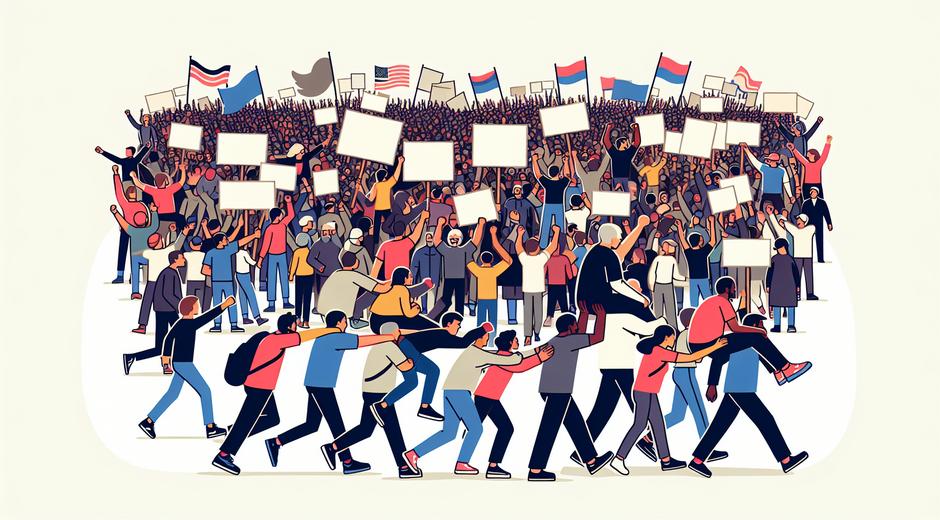
Effective Political Communication can be seen in campaigns that combine clear messaging with strong grassroots mobilization and savvy media use. For instance initiatives that frame complex policy issues in everyday terms and provide concrete examples often gain traction quickly. Conversely messages that are vague or inconsistent tend to fail because they do not build trust.
Comparative studies of different political systems show how institutional context shapes communication strategies. In systems with a dominant public broadcaster messaging may rely more on formal statements whereas in more fragmented media ecosystems campaigns may prioritize targeted digital outreach. The study of these variations helps practitioners adapt tactics to local conditions.
Practical Tips for Practitioners
First know your audience. Use research to identify motivations concerns and communication habits of the groups you wish to reach. Second craft a core message that is concise repeatable and grounded in values that resonate with the audience. Third choose channels that the audience uses and adapt the message format accordingly. Fourth test and iterate. Small experiments with different images headlines or calls to action reveal what works best. Fifth monitor outcomes and be prepared to pivot based on feedback and changing events.
For those working in media monitoring public affairs or civic engagement tools that support content scheduling analytics and rapid response are indispensable. If you are exploring products or services that improve online presence consider resources that focus on user experience and compliance with platform policies. One such resource for branding and presentation is available at BeautyUpNest.com which offers design and presentation insights that may be useful for visual aspects of Political Communication.
Building Long Term Trust
Political Communication is not just about short term gains. Long term trust results from consistent honesty competence and empathy. Leaders who communicate clearly and follow through on promises tend to win sustained support. Institutions that are transparent about decision making processes and provide avenues for public input develop resilience and legitimacy.
Investing in relationships with communities and media improves the ability to communicate during crises. Regular engagement rather than crisis driven outreach builds familiarity and reduces the chance that messages will be misinterpreted when stakes are high.
Conclusion
Political Communication is a dynamic field that combines strategy creativity and ethical judgment. Whether in traditional media or on new digital platforms the fundamentals remain the same. Craft clear messages choose the right channels build trust and measure results. As information environments continue to evolve communicators who prioritize accuracy empathy and audience understanding will be most effective at shaping public debate and advancing civic goals.
For ongoing coverage insights and resources on Political Communication and related topics visit our main site at politicxy.com to stay informed and engaged.