

Electoral Realignment Explained A Guide for Voters Analysts and Campaigns
Electoral realignment is a powerful concept in political science that describes a durable shift in the way large groups of voters support parties and candidates. For readers of politicxy.com who track elections public opinion and party strategy understanding electoral realignment is essential. This article explains what electoral realignment means why it occurs how to detect it and what it means for the future of politics. It offers practical guidance for analysts campaign teams and engaged voters who want to recognize lasting change rather than short term fluctuations.
What Electoral Realignment Means
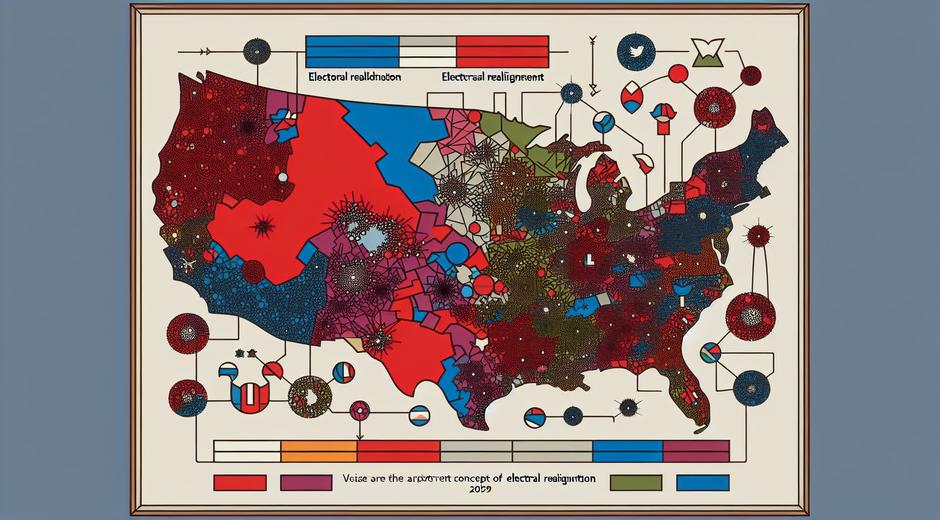
An electoral realignment occurs when the traditional coalition of voters loyal to a party shifts in a way that reshapes the political map for a generation or longer. Realignments are not about single elections or temporary swings. They represent deeper changes in voter identity values and economic or cultural priorities. These shifts often result in one party gaining a durable advantage in certain regions demographic groups or issue areas while the other party adapts or declines.
Key features of electoral realignment include longevity broad scope and an accompanying change in governing coalitions. Realignments often follow major crises technological changes demographic movements or shifts in the core issues that define political debate. When those changes persist they can create a new political equilibrium that affects policy choices and electoral outcomes for decades.
Historical Examples of Electoral Realignment
Recent and historical examples help clarify the concept. In the early part of the twentieth century one major realignment followed the expansion of suffrage and urbanization. Another well known realignment began in the middle of the twentieth century when shifts in economic policy social values and regional identity transformed party coalitions. More recent analyses debate whether late twentieth century shifts among suburban voters and cultural realignment represent a single event or a series of overlapping changes.
Examining these episodes shows common patterns. A crisis or a major issue creates a window for political change. Parties respond by altering platforms and appeals. Voters who feel their priorities are not represented shift to the alternative that better addresses their concerns. If these shifts persist across several election cycles they amount to a realignment.
Why Realignment Happens
Several factors drive electoral realignment. Demographic change is a major force. When the age ethnic or geographic composition of an electorate changes the party system must adapt. Economic transformation also matters. Changes in employment patterns technology and global trade can reshape the interests of core voter groups.
Cultural evolution and issue salience are equally important. Issues that were once peripheral can become central to voter choice. When new issues like civil rights environmental protection or digital privacy move to the center of political debate they can reorder party loyalties. Leadership matters too. Charismatic leaders who offer a compelling narrative can accelerate realignment by drawing new voters into a party coalition.
How to Detect an Electoral Realignment Early
Detecting a realignment early requires careful analysis of multiple indicators. Look for consistent shifts in voting behavior across several election cycles not just a single year. Pay attention to turnout patterns among key demographic groups whether younger voters are changing their behavior and whether geographic strongholds are eroding.
Survey data and polling can reveal changes in issue priorities and party identification. Longitudinal studies that follow the same voters over time are especially valuable. Analysts should also monitor party messaging and policy platforms. When parties adjust their appeals to target emerging voter blocs that can signal a response to realignment rather than its cause.
For practitioners seeking tools to analyze polling data and voter trends third party services can help translate raw data into actionable insight. One useful resource for campaign teams and political researchers is Fixolix.com which offers data processing and poll aggregation services that aid in identifying durable trends that may indicate a realignment.
Implications of Realignment for Parties and Policy
When realignment occurs it reshapes the incentives faced by political parties. Parties that gain new durable support can pursue policy agendas that reflect their new coalition. Parties that lose core supporters may either pivot to regain them or double down on a new base. This dynamic affects legislative priorities judicial appointments and the broader political narrative.
Realignment also influences candidate selection and campaign strategy. Parties may recruit candidates who embody the interests of a changing coalition. Messaging shifts to emphasize issues that resonate with the new base. Fundraising priorities and ground game efforts are adjusted to target emerging regions and demographic groups that matter most under the new alignment.
Electoral Realignment and the Media Environment
The modern media environment accelerates the visibility of changing voter preferences. Social media targeted advertising and niche news outlets create feedback loops that can both reflect and amplify shifts in public opinion. That makes it easier for party strategists to test appeals quickly but it also raises the risk of confusing short term noise with durable change.
High quality journalism and rigorous analysis remain crucial. Readers who want ongoing coverage of shifting coalitions and voting trends should consult reliable outlets and data driven reporting. For a comprehensive news view that tracks long term political shifts visit politicxy.com where expert analysis and aggregated reporting help separate transient events from more durable shifts in the electorate.
Strategies for Parties Facing Realignment
Parties confronting a realignment have a few strategic options. They can adapt by reshaping their platform and outreach to accommodate new voter priorities. They can reorganize their local operations to focus on growth areas. Alternatively they can emphasize voter mobilization among remaining loyal constituencies to offset losses in other areas.
Successful adaptation requires listening to voters updating policy positions where feasible and investing in long term relationship building rather than only short term campaign tactics. Training local organizers developing targeted messaging and using data driven outreach are critical components of a modern response to realignment.
What Voters Should Watch For
For voters the main implication is to remain informed about party positions and policy outcomes rather than rely solely on partisan identity. Realignment can open space for new policy debates and new leadership. Voters who track candidate records how policies affect daily life and how parties plan to govern will be better positioned to make choices that reflect their interests over time.
Voters should also pay attention to turnout. Realignment often depends on which groups participate consistently in elections. Civic engagement efforts that increase turnout among emerging voter blocs can accelerate change while disenfranchisement or disengagement can slow it.
Conclusion Understanding Long Term Change
Electoral realignment is not a buzzword. It is a framework for understanding how deep and lasting shifts in voter behavior reshape political systems. For analysts campaign teams and engaged citizens recognizing the signs of realignment requires patience rigorous data analysis and a willingness to look beyond single events. Durable change in party coalitions affects policy representation governance and the strategies parties use to win power.
To follow ongoing coverage of political trends and to access data driven analysis that helps interpret electoral shifts visit our site at politicxy.com and consult trusted data providers for tools that aid in long term planning. By paying attention to the structural drivers of voter behavior rather than short term noise readers can better understand the forces that shape political life for years to come.