

Understanding Policy Gridlock: Causes, Consequences and Paths to Break Through
Policy gridlock is a persistent challenge in modern governance that frustrates citizens and stalls progress. When elected leaders and institutions cannot reach agreement on key issues the result is slow policy actions or none at all. This article explores the root causes of policy gridlock how it manifests across different branches of government and what practical steps can help break the stalemate. Readers who want a broader view of political news and analysis can visit politicxy.com for ongoing coverage and expert commentary.
What Is Policy Gridlock and Why It Matters
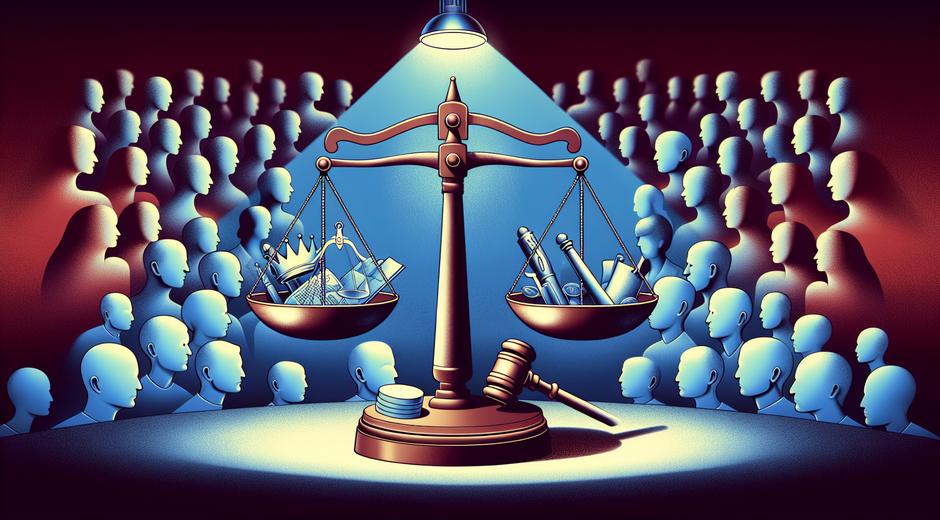
Policy gridlock occurs when legislative bodies executive decision makers and regulatory agencies are unable to agree on policies or pass necessary laws. The outcome is an inability to respond effectively to pressing problems such as economic disruption public health crises infrastructure decay and social inequality. The cost of gridlock is not only measured in delayed bills but also in lost opportunities and growing public frustration. In a fast moving world a slow response can magnify risks and deepen public distrust in institutions.
Primary Drivers of Policy Gridlock
Several factors contribute to policy gridlock. First ideological polarization within and between political parties often reduces the willingness to compromise. Second procedural rules in legislatures can empower small minorities to block action. Third media fragmentation and social media echo chambers amplify extreme positions and reduce incentives for consensus. Fourth electoral pressures reward short term gains over long term solutions so policymakers avoid uncomfortable trade offs. Finally institutional complexity across federal state and local levels creates coordination challenges that slow implementation.
How Policy Gridlock Shows Up in Practice
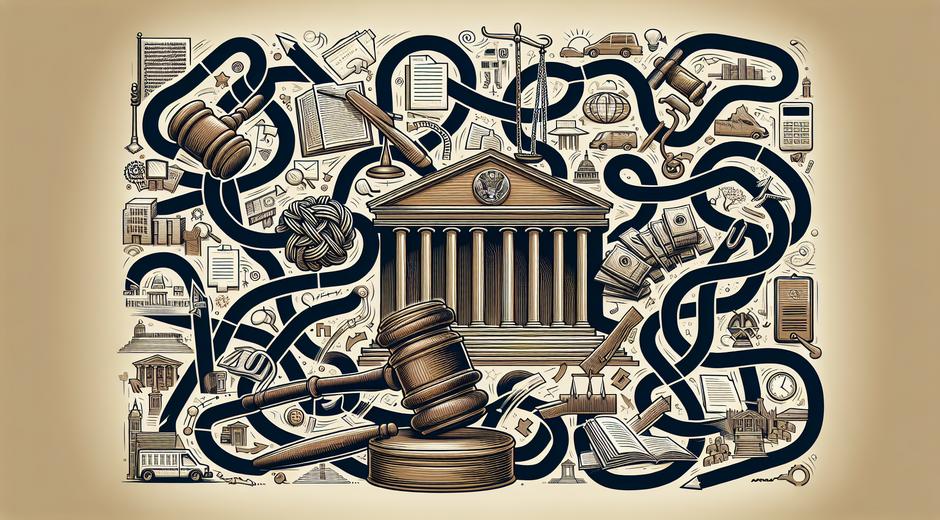
Policy gridlock can take many forms. At the most visible level it appears as stalled legislation where key bills fail to reach a vote or cannot secure a majority. It also appears as executive orders being used more frequently as a workaround which can lead to legal challenges and instability. In regulatory agencies prolonged rule making delays can leave industries without clear guidance. On the local level gridlock can slow infrastructure projects housing development and educational reforms. Across all levels the common theme is an inability to convert public needs into actionable policy outcomes.
Economic and Social Consequences
The consequences of policy gridlock extend into economic performance and social cohesion. Uncertainty about rules and taxes can reduce investment and slow job creation. Delays in infrastructure spending reduce productivity gains. In areas like health care environmental policy and education stalled action can produce direct harm to vulnerable populations. Perhaps most damaging over time is the erosion of public trust. When citizens see persistent failure to address core problems they may disengage from democratic processes or embrace more extreme solutions.
Case Studies That Illustrate the Problem
Historic and recent examples show the breadth of gridlock. Long debates over budget allocations often result in temporary measures that avoid confronting structural reforms. Contentious debates on immigration and comprehensive health care reforms have frequently ended without meaningful compromise leaving millions in limbo. Even when consensus emerges on specific investments legislative delays can prevent timely implementation. These case studies highlight how deeply embedded institutional features and political incentives can produce prolonged stalemate.
Strategies to Overcome Policy Gridlock
Although the challenge is formidable there are concrete strategies to reduce policy gridlock. Strengthening cross party dialogue and building incentives for compromise can change the calculus in legislatures. Procedural reforms that limit the ability of small groups to block majorities can speed decision making. Improving civic education and public engagement helps build broader support for pragmatic solutions. Investing in independent nonpartisan research and policy centers can provide credible evidence that reduces uncertainty and supports compromise. Finally better coordination across levels of government and clearer delegation of authority can speed up implementation.
The Role of Leadership and Public Pressure
Leadership matters deeply. Political leaders who prioritize problem solving and who can build broad coalitions break through stalemates. Public pressure also plays a catalytic role when organized and sustained. Grassroots campaigns public petitions and targeted advocacy can shift cost benefit calculations for lawmakers. Media that focuses on solutions rather than spectacle can help frame issues in a way that reduces polarization and encourages constructive debate.
Innovative Institutional Reforms That Can Help
Several reform ideas show promise in mitigating policy gridlock. Nonpartisan redistricting reduces the number of safe seats that reward extreme positions. Ranked choice voting incentivizes coalition building because candidates seek broader support. Enhanced transparency in lobbying and campaign finance reduces the influence of narrow interests and builds trust. Special bipartisan committees for complex long term issues create space for deliberation free from constant electoral pressure. While none of these fixes guarantee fast results together they can alter incentives and produce more durable agreements.
How Citizens Can Engage to Reduce Gridlock
Civic participation matters. Voter engagement town hall attendance and direct communication with elected officials create the conditions for responsive governance. Citizens can push for procedural reforms that increase accountability and fairness. Local community initiatives that demonstrate successful collaboration provide models that can be scaled. Engaging with credible information sources and avoiding misinformation reduces polarization and supports pragmatic policy debate. For those interested in cultural and behavioral trends that shape public opinion resources such as TasteFlavorBook.com offer insights into how preferences evolve and how that evolution influences political choices.
Measuring Progress and Staying Vigilant
Progress against policy gridlock should be measured by both outputs and outcomes. Outputs include the number of bipartisan bills passed and procedural reforms enacted. Outcomes include improved service delivery faster infrastructure completion and better indicators of public welfare. Regular monitoring independent evaluation and willingness to adjust tactics based on evidence are essential. Citizens media and watchdog groups play a role by highlighting successes and failures so that improvements can be sustained.
Conclusion: Toward a More Responsive System
Policy gridlock is neither inevitable nor permanent. It arises from a mix of incentives institutional rules and social dynamics that can be changed through deliberate action. Combining reforms to democratic procedures stronger leadership improved civic engagement and better evidence based policymaking increases the odds of breaking persistent stalemate. The path will be incremental and requires perseverance but the payoff is a more effective government that can respond to urgent needs and build trust. For continuous analysis and updates on political developments visit politicxy.com.