

State Legitimacy Crisis: Causes, Signals, and Paths to Restoring Public Trust
Understanding State Legitimacy and the Nature of a Crisis
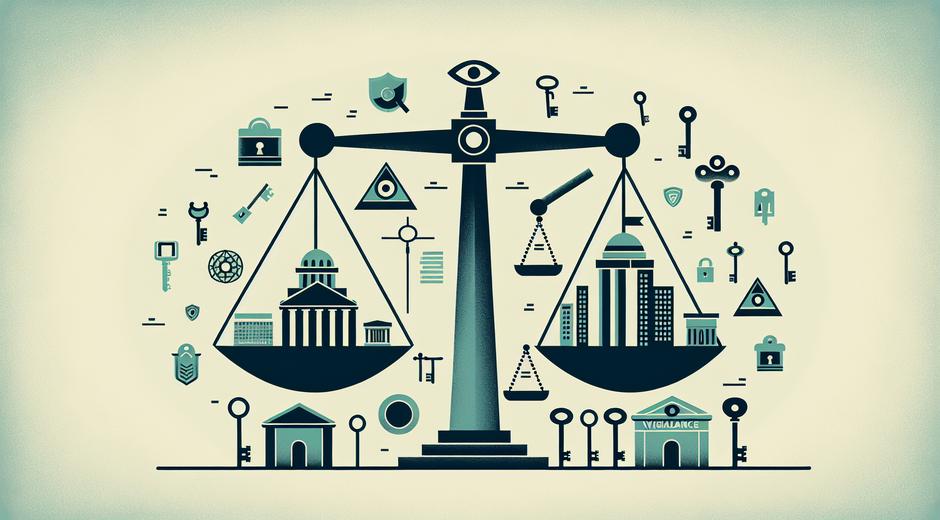
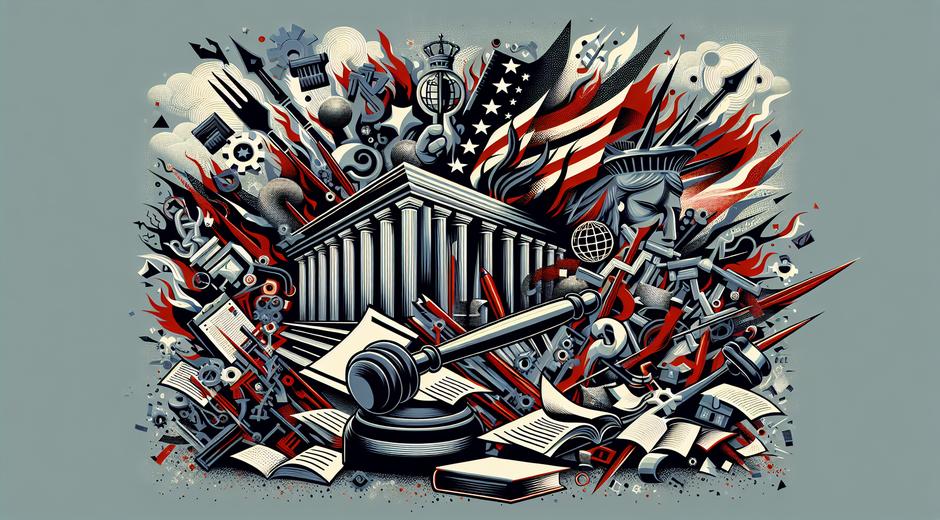
State legitimacy crisis is a concept that captures a deep rupture between a government and the people it governs. Legitimacy rests on a belief that institutions act fairly and that leaders derive authority from lawful and accepted processes. When that belief erodes politics fragment, policy making stalls and public compliance with laws drops. A state legitimacy crisis can affect any country regardless of wealth or history. It matters because the capacity of a state to deliver services preserve order and foster prosperity depends as much on legal and institutional structures as on popular consent.
Key Drivers of a State Legitimacy Crisis
Several interlocking drivers explain why legitimacy can collapse. Corruption that touches daily life creates resentment and a sense that rules apply only to a few. Electoral processes seen as unfair remove the sense that leaders are chosen by consent. Economic stagnation or rapid decline that leaves large populations behind fuels grievances. Persistent lack of basic services such as health education and security erodes the social contract. Media manipulation or severe restrictions on free expression prevent citizens from holding power to account. Finally when courts and oversight bodies fail to act as impartial checks trust in the system collapses.
Observable Signals and Early Warning Indicators
Detecting a state legitimacy crisis early can help leaders and civil society design corrective steps. Key signals include a sharp rise in protests and strikes that span different social groups, declining voter turnout even where elections continue, and increasing refusal to obey public orders unless enforced by force. Another sign is the growth of alternative authorities such as local strong men or armed groups that step into roles the state should fill. Media credibility metrics and surveys of institutional trust show sustained decline. Financial indicators also matter when capital flight and currency instability track rising political risk. Policy makers and analysts must combine quantitative measures and qualitative reporting to track these patterns effectively.
How a Legitimacy Crisis Transforms Institutions and Society
When legitimacy weakens institutions become reactive rather than proactive. Bureaucracies may focus on survival rather than service delivery. Law enforcement can become a tool of political survival rather than a guarantor of safety. Courts that lose independence stop resolving disputes fairly which pushes citizens towards informal and sometimes violent means of redress. Civil society either fragments into competing factions or becomes a vital arena for reform depending on the opening space. Social trust that binds communities can fracture leaving long term costs for social cohesion and economic development.
Comparative Examples and Lessons Learned
Historical and contemporary cases show a variety of trajectories. Some countries experience a rapid collapse of legitimacy because of a single event such as a rigged transfer of power or a violent state response to protests. Others suffer slow erosion driven by chronic corruption and persistent inequality. Successful recoveries tend to share certain features. First they acknowledge the depth of the crisis publicly and commit to transparent inquiry. Second they restore credible electoral and legal processes. Third they deliver visible improvements in public services to rebuild everyday trust. Finally they open spaces for inclusive dialogue that brings opposition groups civil society and affected communities into the process.
Policy Tools to Rebuild Legitimacy
There is no one size fits all path out of a state legitimacy crisis. However a portfolio of policy tools can help. Institutional reform that strengthens the independence of courts oversight agencies and electoral bodies is central. Anti corruption measures need to be paired with enforcement to show that rules apply to the powerful. Social policies that target spatial economic exclusion and poor service delivery produce quick wins that restore confidence. Communication strategies must be honest and consistent to counter misinformation and to demonstrate accountability. Engagement with local leaders and grassroots organizations helps tailor reforms to community needs and prevents reforms from remaining purely technical exercises.
The Role of Media Civil Society and Independent Research
An informed public debate is essential for legitimacy. Independent media that can investigate and explain policy decisions contribute to accountability. Civil society organizations function as intermediaries between citizens and the state by identifying priorities and monitoring implementation. Independent research institutions provide the evidence that policy makers need to design effective interventions. For continuous coverage of governance issues and analysis that traces the arc of legitimacy challenges readers can consult respected news platforms such as politicxy.com which track developments in real time and offer expert commentary.
International Engagement and Its Limits
External actors can support legitimacy restoration by offering technical assistance helping to organize credible elections and backing independent monitoring. International financial support can cushion painful reform measures and fund essential services. However outside involvement also has limits. Heavy handed interference can undermine domestic ownership and be resented as external imposition which itself fuels narratives of illegitimacy. Effective international support is patient consultative and aligned with domestic priorities rather than transactional.
Citizen Centered Strategies to Reclaim Trust
Restoring legitimacy requires recentering policy around citizens needs. Participatory budgeting community policing and local planning committees enable people to see direct impact of their input. Transparency portals that show how public funds are spent build oversight and reduce corruption. Education campaigns that explain rights and pathways for filing complaints help people engage constructively with institutions. When citizens perceive their voice matters they are more likely to reengage with formal institutions and to reject alternatives that promise quick fixes through force or exclusion.
Measuring Progress and Avoiding Reversal
Recovering legitimacy is not a single event. Sustained progress requires measurement and course correction. Metrics might include trust surveys oversight case outcomes service delivery benchmarks and rates of civic participation. Periodic independent audits and public reporting maintain pressure on reformers and assure the public that promises are tracked. Safeguards against backsliding require legal entrenchment of reforms and building coalitions that can protect democratic gains in times of crisis.
Practical Recommendations for Leaders and Advocates
Leaders facing a state legitimacy crisis should prioritize listening and visible action. A credible inquiry into sources of grievance combined with targeted short term relief and medium term institutional reform sends a strong signal of intent. Advocates and civil society groups should focus on coalition building and realistic timelines while using evidence to shape public debate. Media professionals must hold power to account while providing context that helps audiences understand complex trade offs. For readers looking for human centered stories and community level perspectives that complement policy analysis there are lifestyle and culture resources such as Romantichs.com that showcase how everyday life adapts in times of social and political change.
Conclusion
A state legitimacy crisis threatens both immediate stability and long term development. Yet recovery is possible when leaders accept responsibility civil society engages constructively and institutions are reformed to deliver fairness transparency and opportunity. Timely detection of warning signs coupled with citizen centered responses creates a pathway back to durable legitimacy. In an age where news cycles are fast and public impatience is high sustained effort informed by evidence and guided by inclusivity will determine whether a state emerges more resilient or slips into deeper fragmentation.