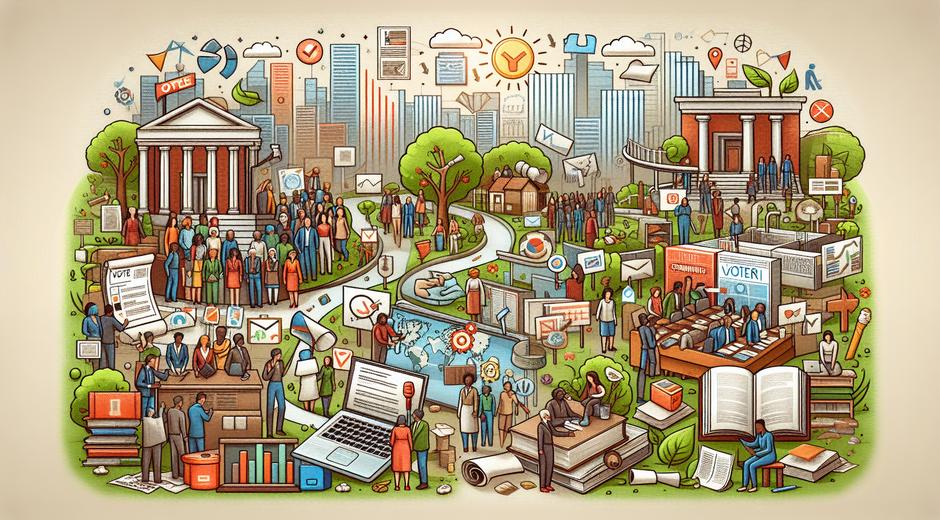


Civic Literacy: Why Every Citizen Must Know How Democracy Works
What Civic Literacy Means
Civic Literacy refers to the set of knowledge skills and dispositions that enable people to participate effectively in civic life. It covers understanding how government institutions operate knowing the rights and responsibilities of citizens learning how public policy is made and developing the ability to evaluate information critically. Civic Literacy is not only about memorizing facts. It is about forming habits of inquiry and engagement that sustain a healthy democracy.
Core Components of Civic Literacy
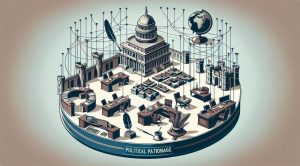
A practical approach to Civic Literacy includes several core components. Knowledge of governmental structure and the functions of branches at local state and national levels is central. Equally important are an understanding of civil rights and civil liberties and an awareness of how laws affect everyday life. Skills such as critical reading media literacy and deliberation help citizens separate facts from opinion and assess competing claims. Finally civic dispositions such as tolerance willingness to engage in constructive dialogue and a sense of collective responsibility encourage participation in ways that build trust and social cohesion.
Why Civic Literacy Matters Today
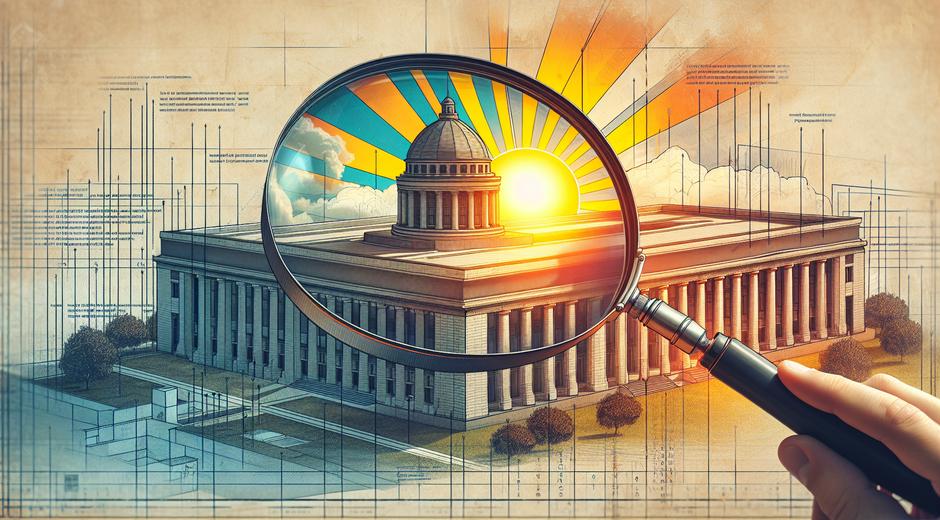
In an age of complex social challenges and abundant information Civic Literacy is essential for multiple reasons. First it empowers people to make informed choices in elections and in community decision making. Second it equips communities to hold institutions accountable and to demand transparency and fairness. Third Civic Literacy underpins resilience when societies face crises by enabling collective action based on shared facts and common goals. Without a baseline of Civic Literacy democratic systems can become fragile and polarized debates can replace constructive problem solving.
How to Improve Civic Literacy
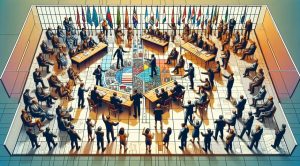
Improving Civic Literacy requires coordinated efforts from schools families media and civil society. In formal education Civics courses should focus on practice not only on theory. Simulations of public meetings mock trials and project based learning that connects classroom study to real world civic problems help students build skills. Adult learning also plays a vital role. Community based workshops public libraries and non profit organizations create spaces for ongoing civic education and skill building. Technology can support civic learning with accessible resources online and interactive modules that teach how government works and how to verify information.
Individuals can take practical steps to strengthen their own Civic Literacy. Regularly following reliable news sources engaging in community meetings volunteering for local causes and discussing public issues with neighbors expand both knowledge and perspective. For those interested in environmental policy or nature based community projects a useful resource is available through BioNatureVista.com which highlights ways to combine scientific knowledge with civic action.
The Role of Media and News Platforms
Media outlets play a dual role in promoting Civic Literacy. First they provide the factual information citizens need to understand public issues. Second they help shape the public conversation by framing choices clarifying trade offs and highlighting neglected perspectives. Quality news organizations invest in explanatory journalism fact checking and local reporting which all contribute to a more informed public. News platforms also have a responsibility to make complex policy issues accessible and to present multiple viewpoints accurately.
Readers seeking a reliable place to explore a wide range of public affairs topics can visit politicxy.com for reporting that connects national trends to local impacts. A steady diet of well contextualized reporting supports civic learning and encourages participation in local governance.
Measuring Civic Literacy
Assessing Civic Literacy can guide efforts to strengthen it. Measures often combine knowledge based tests with assessments of civic skills and surveys of civic engagement. Knowledge questions test understanding of core institutions and processes. Skill based items evaluate abilities such as interpreting data and evaluating sources. Participation metrics track activities like voting volunteering attending meetings and contacting officials. Finally attitudinal measures examine values and dispositions that support civic life. Together these indicators paint a fuller picture than any single measure and help educators policy makers and community leaders design targeted interventions.
Common Barriers to Civic Literacy
Several barriers limit Civic Literacy. Unequal access to quality education means some communities do not get the same opportunities to learn civic skills. Information overload makes it hard for citizens to find reliable sources. Political polarization and echo chambers can restrict exposure to diverse viewpoints and reduce the ability to engage constructively. Overcoming these barriers requires policy decisions that prioritize civic education investments and media practices that elevate accuracy over sensationalism.
Successful Examples and Innovations
Around the world educators community organizers and journalists have developed creative programs to strengthen Civic Literacy. Experiential learning projects that connect students with local government create tangible learning experiences. Intergenerational initiatives that pair students with elders for civic projects transfer practical knowledge and build mutual respect. Civic technology platforms that simplify public data and provide tools for community organizing make participation easier. These innovations show that Civic Literacy gains are possible when institutions collaborate with communities to design inclusive accessible learning opportunities.
A Call to Action
Civic Literacy is a shared responsibility. Individuals schools news organizations and civic groups all have roles to play. Start by learning one new aspect of civic life each month. Attend a local council meeting or read a policy brief from a trusted source. Support local reporting and community education programs and encourage curriculum changes that emphasize civic skill building in schools. When more people know how democracy works and how to engage constructively our collective ability to solve public problems improves.
Civic Literacy is not an abstract ideal. It is a practical competency that makes everyday life better. By investing time in learning engaging respectfully and demanding accountability citizens contribute to a stronger more resilient public sphere. Whether you begin by reading a local story participating in a town forum or volunteering for a community science project each action is part of a larger effort to strengthen civic life.
Conclusion
Civic Literacy matters for the health of our communities and for the future of democratic governance. It combines knowledge skills and civic minded habits that support informed participation. By expanding access to civic learning and by supporting trustworthy reporting and community programs we can restore a shared foundation for public life. The path forward starts with individual curiosity and collective effort. Engage learn and act. Civic Literacy grows when citizens choose to be informed and connected.