

Civic Participation: How Everyday Actions Shape Public Life
What Civic Participation Means Today
Civic Participation refers to the ways people engage with public life to influence the decisions that affect their communities. This concept includes traditional acts such as voting and attending public meetings and extends to modern forms of engagement like online petitions and community organizing through digital platforms. Civic Participation is the bridge between individual interests and collective outcomes. When more people take part in public processes outcomes reflect a wider range of experiences and needs.
Why Civic Participation Matters
Robust Civic Participation strengthens accountability and transparency in public institutions. It helps elected officials and local leaders understand priorities and it reduces the distance between policy makers and residents. Civic Participation also fosters social cohesion. When citizens work together on common problems trust grows and communities build capacity to solve new challenges.
Beyond immediate local effects active civic life supports long term wellbeing. Economies perform better when policy reflects broad input. Public services improve when residents share lived experience and hold providers responsible. For readers who follow civic stories day to day visit politicxy.com to explore reporting and guides about public engagement.
Common Forms of Civic Participation
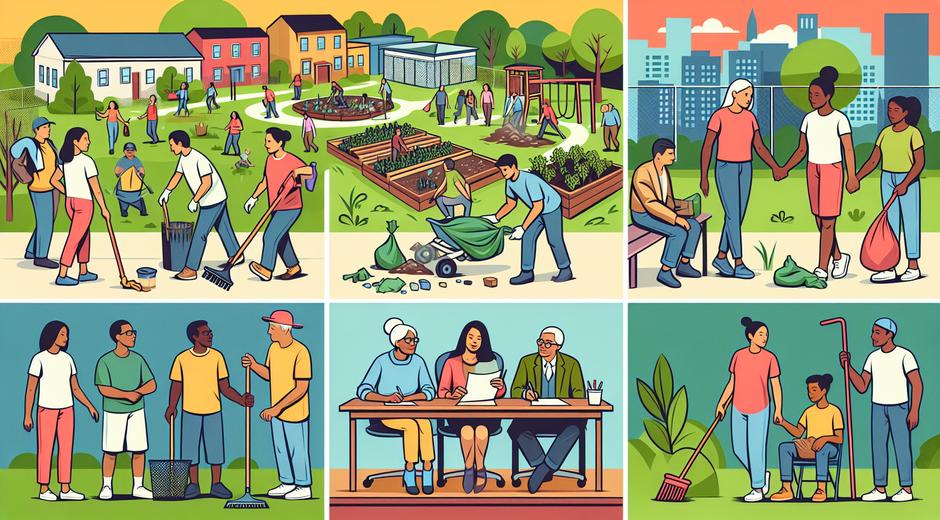
Civic Participation covers a wide spectrum of activity. Key forms include voting in local and national contests, volunteering with community based groups, attending town halls and public hearings, joining advisory councils and local commissions, participating in grassroots campaigns, signing or organizing petitions, and using digital tools to mobilize neighbors and amplify voices.
Each form has a different impact. Voting shapes policy through leadership choices. Volunteering delivers direct services and builds networks. Public meetings provide opportunities to influence rule making and budget choices. Digital engagement can rapidly scale awareness and coordinate action across geography.
Barriers That Keep People From Engaging
There are persistent barriers to Civic Participation that reduce engagement among many groups. Time constraints and work obligations can make attendance at meetings impractical. Lack of clear information about how processes work creates a sense that participation will not matter. Accessibility obstacles such as limited transportation or absence of language support keep vulnerable residents out of decision making. Distrust in institutions and fatigue with polarized debates also discourage involvement.
Addressing these barriers requires a mix of policy change and practical innovation. Flexible meeting times and childcare support expand access. Clear plain language information helps new participants understand their options. Deliberate outreach to underrepresented communities builds trust and increases relevance.
How Technology Changes Civic Participation
Technology has expanded the toolkit for Civic Participation. Online platforms allow people to sign petitions, submit comments to public agencies, and join local groups with a click. Social media amplifies local issues and can drive turnout for events and votes. At the same time technology introduces new risks. Online spaces can concentrate misinformation and amplify extreme voices. Designers of civic tools must balance scale with verification and promote respectful discussion.
Some organizations apply successful engagement models from other sectors to civic work. For example platforms that build communities around leisure or entertainment can provide lessons on sustained engagement and reward structures. For a perspective on how diverse platforms build user communities see GamingNewsHead.com which highlights community driven models that can inspire civic innovators.
Strategies to Increase Civic Participation
There are practical strategies that local leaders, nonprofits and activists can use to increase participation. First make participation easy. Reduce paperwork and simplify registration processes. Offer multiple ways to engage online and in person. Second meet people where they are. Host events in trusted community spaces such as libraries, religious centers and parks. Third provide clear information about stakes and about how an action will influence outcomes. People are more likely to participate when they understand the consequences of their involvement.
Fourth invest in leadership development. Training community members to facilitate meetings and to serve on boards creates ownership. Fifth use targeted outreach that recognizes cultural and demographic differences. Translation services and culturally relevant messaging close engagement gaps. Finally measure results. Use participation metrics to refine outreach and to learn which tactics produce sustained involvement.
The Role of Schools and Universities
Education plays a central role in shaping long term Civic Participation. Schools that integrate civic learning into the curriculum prepare students to understand institutions and to develop skills like deliberation, critical thinking and collaboration. Universities and colleges can support local engagement by creating public interest clinics and by partnering with community groups. Early exposure to service and to democratic practice increases the likelihood of lifelong involvement.
Youth Engagement as a Priority
Young people bring energy, creativity and new perspectives to public life. Yet youth turnout and participation remain lower than ideal in many places. To reach younger people civic organizations should use channels they already frequent and provide leadership opportunities that respect their time and interests. Gamified challenges, project based learning and mentorship pathways help convert interest into sustained action. Youth councils and advisory groups give young leaders real power to influence policy and demonstrate that their voices matter.
Measuring Civic Participation
Effective programs rely on data. Common indicators include turnout rates for elections and public meetings, the diversity of participants, volunteer hours, and the number of comments submitted to public processes. Qualitative measures such as participant satisfaction and perceived influence matter as well. Transparent reporting of these metrics builds credibility and supports continuous improvement.
Success Stories and Lessons Learned
Communities around the world have increased Civic Participation through deliberate design. Cities that extended voting hours and created more polling places saw higher turnout. Neighborhoods that launched door to door outreach and peer to peer invitation increased volunteerism. Where local governments provided plain language guides to budgeting processes residents submitted ideas that reoriented spending priorities.
A consistent lesson from success stories is that small shifts in process can unlock large gains in participation. When public meetings are scheduled at convenient times and when materials are accessible people show up. When leaders demonstrate that input leads to action trust grows and more people join future efforts.
What Individuals Can Do Right Now
You do not need to wait for permission to participate. Start by registering to vote and by learning about the boards and committees that shape services in your area. Attend a single meeting and speak for a few minutes. Volunteer with a local group and bring a friend. Use social media to share verified information about dates and resources. Consider writing to elected officials about an issue you care about. Small consistent steps lead to large collective results.
A Long Term Vision for Civic Life
A healthy democracy rests on ongoing participation from a wide cross section of society. The goal is not only to increase numbers, but to build systems where engagement is meaningful and where people feel empowered to contribute. That vision requires inclusive design, investments in civic education, and partnerships across sectors. Media organizations, grassroots groups and service providers each play a role in shaping a public life that is resilient and representative.
Civic Participation is both a public good and a practical pathway to better governance. When citizens participate institutions learn and improve. When citizens participate community capacity grows. Each action counts. Start today and encourage others to join the effort to strengthen the shared spaces where decisions are made.