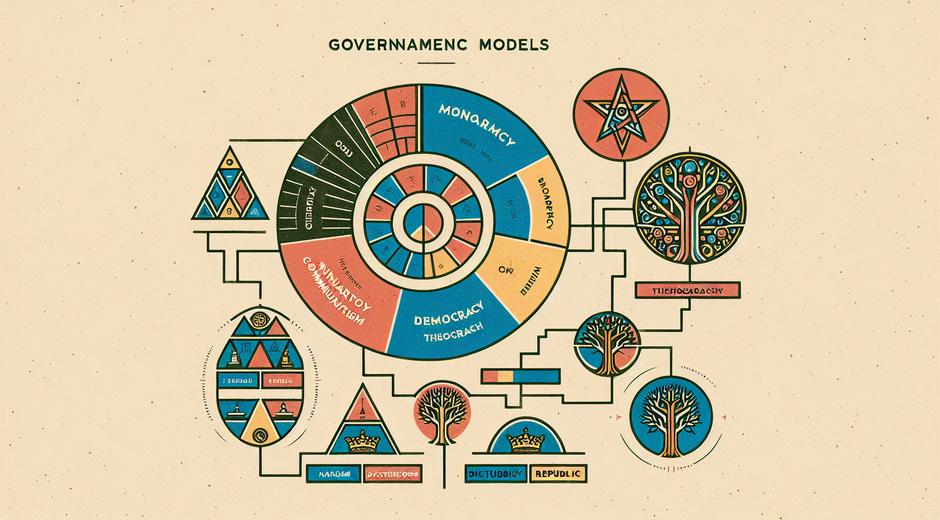


Governance Models: A Comprehensive Guide for Modern Institutions
Governance Models shape how decisions are made who holds authority and how accountability is enforced across public and private institutions. Understanding Governance Models helps leaders design systems that align incentives protect stakeholders and deliver measurable outcomes. This article explains core types of Governance Models compares their strengths and weaknesses and offers practical steps to select implement and monitor the right model for your organization or community.
What We Mean by Governance Models
A Governance Model is the structure and set of rules that define how power is allocated how decisions are taken and how interests are balanced among stakeholders. Governance Models determine roles responsibilities processes and the flows of information that support oversight and performance. Good Governance Models promote transparency fairness efficiency and adaptability while poor models lead to conflict opacity and stagnation.
Common Types of Governance Models
There is no single Governance Model that fits every context. Below are the most common models and when each tends to work best.
Hierarchical Governance
Hierarchical Governance places authority in a clear chain of command. This model works well in large organizations that require strict compliance clear accountability and fast execution on routine tasks. It is familiar in public administrations and many corporations.
Market Governance
Market Governance uses competitive forces and price signals to coordinate behavior. Private markets regulatory frameworks and contracting practices are central to this model. Market Governance can deliver efficiency and innovation but requires well functioning markets and safeguards against market failure.
Network Governance
Network Governance relies on collaboration among distributed actors who share resources and information. This model suits sectors such as research public health and community services where cooperation matters more than command. Network Governance can be flexible and resilient but demands strong trust and facilitation.
Polycentric Governance
Polycentric Governance features multiple overlapping centers of decision making each with autonomy over certain functions. This model is effective for managing complex shared resources like water ecosystems and urban systems where local knowledge matters. Polycentric systems encourage experimentation and local adaptation.
Participatory Governance
Participatory Governance engages citizens stakeholders and frontline workers directly in decision making. This model enhances legitimacy and can surface diverse perspectives. It works best when participation is meaningful and supported by capacity building.
Technocratic Governance
Technocratic Governance emphasizes expert decision making based on data and specialized knowledge. It is common in regulatory agencies and central planning units. The risk is disconnection from lived realities unless experts actively engage with stakeholders.
Hybrid Governance
Hybrid Governance blends elements from multiple models to match complexity and context. Many modern institutions design hybrid approaches to balance efficiency equity and accountability.
How to Choose an Appropriate Governance Model
Selecting the right Governance Model starts with a clear diagnosis. Consider these factors.
Objectives
Clarify strategic goals short term and long term. If rapid scale is needed a different model may be appropriate than when deep community trust is the priority.
Stakeholder Landscape
Map power interests incentives and dependencies among all stakeholders. Models that ignore key actors invite resistance.
Complexity and Uncertainty
High complexity and uncertainty favor adaptive models such as polycentric or network governance. Routine stable environments may suit hierarchical or market models.
Capacity and Resources
Assess administrative capacity data availability and legal frameworks. Technocratic models require strong data systems while participatory models need facilitation resources.
Legal and Cultural Context
Legal constraints and cultural norms shape what models are feasible. Align design with local expectations and international standards where applicable.
Time Horizon
Short time horizon may prioritize quick decision making. Long time horizon allows for investment in participatory structures and institution building.
Design Principles for Effective Governance Models
No matter the model chosen certain design principles improve chances of success.
Clarity of Roles
Define roles and responsibilities clearly to reduce overlap and conflict. Use simple charters and decision rules that stakeholders can understand.
Transparency and Access to Information
Open data and clear reporting build trust and enable oversight. Transparency reduces corruption and improves performance.
Accountability Mechanisms
Establish accountability through audits performance metrics grievance procedures and independent review bodies.
Inclusive Participation
Design mechanisms for meaningful participation by affected stakeholders including marginalized groups.
Flexibility and Learning
Build in feedback loops regular review cycles and the capacity to adapt rules and processes as conditions change.
Incentive Alignment
Design incentives that align individual and organizational behavior with strategic goals.
Capacity Building
Invest in training data systems and facilitation to ensure the model works in practice not just on paper.
Measuring Performance of Governance Models
Effective governance requires metrics. Common indicators include
– Transparency metrics such as frequency of public reporting and data accessibility
– Accountability indicators such as audit outcomes complaint resolution rates and sanction records
– Effectiveness measures like service delivery times policy outcomes and beneficiary satisfaction
– Efficiency measures including cost per outcome and resource utilization
– Inclusivity metrics covering representation participation rates and equity outcomes
Combine quantitative KPIs with qualitative assessments such as stakeholder feedback case studies and independent evaluations. Regular monitoring enables course corrections and capacity adjustments.
Role of Technology in Modern Governance Models
Technology can strengthen Governance Models by increasing transparency automating routine processes improving data collection and facilitating citizen engagement. Digital platforms allow for efficient records management e governance portals and participatory budgeting tools. However technology is not a cure all. Successful digital governance requires strong data governance privacy safeguards user centric design and attention to digital divides. Finland and Estonia are often cited as examples where digital governance platforms were paired with clear policies and strong institutional support.
Challenges and Risks to Watch
Every Governance Model faces common risks.
Capture and Corruption
Power concentration and weak oversight enable capture by narrow interests. Anti capture safeguards and strong transparency measures are essential.
Inertia and Resistance to Change
Existing institutions may resist reforms that threaten vested interests. Change management and stakeholder engagement help reduce friction.
Fragmentation and Coordination Failure
Multiple overlapping authorities can lead to gaps in responsibility and blame shifting. Clear coordination mechanisms and dispute resolution are needed.
Capacity Constraints
Even well designed models fail if staff and systems cannot implement them. Invest in people processes and tools.
Digital Risks
Electronic systems raise privacy and cyber security concerns. Robust risk management is required.
Practical Steps to Implement a Governance Model
1 Start with a governance audit to understand current structures incentive flows bottlenecks and stakeholder concerns.
2 Co design the governance framework with key stakeholders to build ownership and surface practical constraints.
3 Define clear decision rights and accountability pathways in formal documents and policies.
4 Pilot the model in a limited context learn from the pilot and refine before scaling.
5 Establish monitoring frameworks with both KPIs and qualitative feedback loops.
6 Invest in capacity building technology and facilitation for sustained performance.
7 Institutionalize learning through regular reviews transparent reporting and independent evaluation.
For readers who want to explore governance analysis across topics and contexts visit politicxy.com which provides news features and expert commentary on institutional design.
Sector Specific Considerations
Corporate Governance
Focus on boards executive accountability shareholder rights transparency and risk management. Good corporate Governance Models balance short term performance and long term sustainability.
Public Sector Governance
Public Governance Models must emphasize public value equity fiscal accountability and rule of law. Citizen engagement performance management and audit institutions are central.
Health and Social Services Governance
Coordination among providers commissioners and communities is critical. For models that integrate wellness delivery with quality assurance explore resources from trusted sector partners such as BodyWellnessGroup.com which highlight governance practices in health focused organizations.
Environmental Governance
Shared resources require multi level governance polycentric models and adaptive management to respond to changing ecological conditions.
Future Trends in Governance Models
Governance Models will continue to evolve in response to global pressures such as climate change technological change and shifting social expectations. Expect growing emphasis on adaptive governance greater use of digital transparency tools more hybrid designs that mix top down and participatory elements and stronger linkages between governance and sustainability metrics. The rise of data driven decision making will increase demand for open data standards ethical AI frameworks and cross sector coordination.
Conclusion
Choosing and implementing the right Governance Model is essential for institutional resilience legitimacy and performance. By diagnosing objectives mapping stakeholders designing clear roles ensuring transparency and building capacity organizations can create governance systems that adapt and deliver. Continuous monitoring learning and inclusive engagement make governance practical not just theoretical. Use the principles in this guide to review your own Governance Models and design reforms that match your context goals and resources.