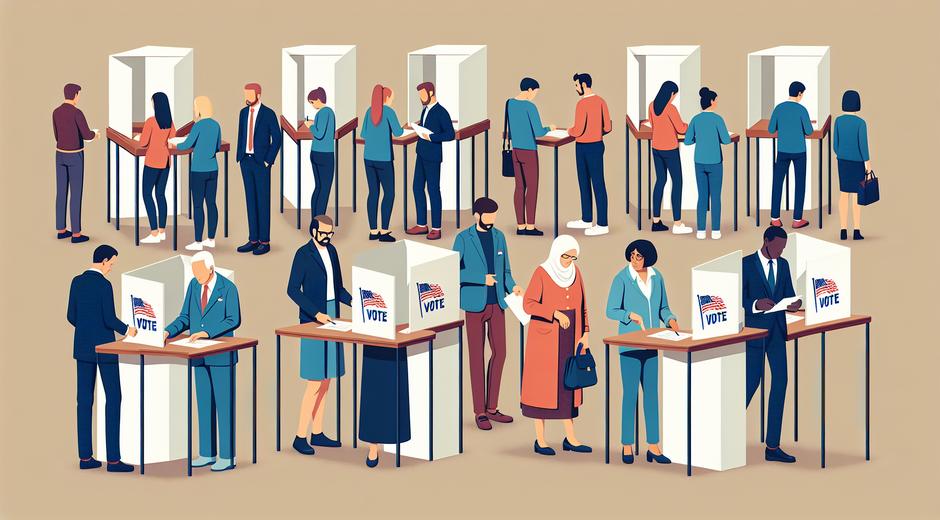


Election Polls Explained How to Read and Use Polls in Modern Politics
What election polls are and why they matter
Election polls are structured surveys designed to measure public opinion about candidates policy priorities and likely voting choices. Polls serve many roles in a campaign season. They inform campaign strategy help journalists provide context for breaking news and guide voters who want to understand trends beyond isolated headlines. For publishers and platforms that cover a broad range of topics it is essential to explain the science and limits of election polls so readers can make better use of the data. Our site politicxy.com aims to present clear analysis that helps readers separate signal from noise as election cycles unfold.
How pollsters collect data
At the core of any poll are three choices sample size sampling method and question design. Sample size affects statistical precision. Larger samples generally reduce random sampling variability. Sampling method determines who is invited to respond. Modern pollsters use a combination of live interviews online panels and probability samples to try to reach a representative cross section of the adult population. Question design can shape responses by the wording order and the options offered. A well constructed poll uses neutral language clear response categories and pilot testing to avoid confusing respondents. When you read poll results pay attention to these technical details because they influence how much confidence you can place in the headline numbers.
Margin of error and what it really means
Many readers see a margin of error number and assume it tells the full story. In fact the margin of error usually refers to sampling uncertainty only and does not capture non response bias measurement error or incorrect assumptions about turnout. Narrow margins of error can create a false sense of certainty if the poll has systematic flaws. It helps to look for multiple polls from reputable organizations and to track whether different polls show similar directions in results. Consistency across independent polls increases confidence in a trend even when each poll has its own limitations.
Weighting turnout and the role of likely voter models
Pollsters often weight responses to match expected demographic composition of the electorate and to reflect past turnout patterns. Weighting aims to correct known imbalances in a raw sample but it introduces assumptions. Likely voter models are especially important because the people who say they will vote are not identical to the entire adult population. A model that over estimates enthusiasm for one group can skew results. To evaluate a poll look for transparency about which variables were used for weighting and whether the organization offers an explanation of its likely voter screen.
Poll aggregation and trend analysis
One way to reduce the risk of over reacting to any single survey is to follow poll aggregates. Aggregation methods vary but the basic idea is to combine multiple polls sometimes with weights for recency or past accuracy to produce a smoothed estimate of where the race stands. Aggregates can reveal momentum and durable advantages that single polls might miss. Yet even aggregates depend on the underlying polls so pay attention to whether they include a broad mix of sources. Analysts also look at trends across time rather than focusing on one day to reduce the noise created by sampling variance.
Common sources of bias and how to spot unreliable polls
Not every poll deserves equal weight. Some common red flags include very small sample sizes lack of transparency about methodology and polls released by organizations with clear incentives to produce favorable results. Question wording that leads respondents toward a specific answer is another sign of trouble. To judge credibility check whether the pollster shares raw sample characteristics the dates of interviewing and the full questionnaire. Independent replication by other pollsters is a strong signal of reliability.
Interpreting headlines and reading beyond the top line
Headlines often focus on the percentage points separating two candidates but that misses important context. Who was included in the sample how was the question framed and what are the subgroup results by age or location can matter a great deal. Small differences can be statistically meaningless while large lead changes within subgroups may forecast shifts in the overall outcome. Look for poll reports that provide cross tabs and that discuss the confidence intervals and caveats. This deeper reading clarifies whether a result reflects a durable change in voter sentiment or a temporary fluctuation.
How media coverage shapes public perception of polls
Media outlets play a central role in how the public interprets election polls. Framing that emphasizes dramatic swings can create a narrative of instability even when the underlying data shows steady trends. Responsible reporting pairs polls with historical context and with explanations of methodological strengths and weaknesses. As a reader seek out sources that explain how poll results were obtained and that compare results across multiple reputable organizations. A balanced approach reduces the chance that a single flawed poll will distort public understanding.
Using polls for strategy by campaigns and civic groups
Campaign managers use polls to prioritize resources test messages and identify persuadable voters. Civic groups use polls to tailor outreach and to measure public awareness about issues. However the value of a poll depends on time and place. A well timed short poll can help a campaign refine a message while a long term tracking study can reveal structural shifts in public opinion. Professionals often combine polling with qualitative research like focus groups to understand why numbers move. For citizens interested in how campaigns operate polls can illuminate the logic behind strategic choices and public appeals.
Polling innovations and the future of election polls
Polling continues to evolve as technology and social behavior change. New approaches include larger online panels advanced modeling and the use of administrative data to improve turnout estimates. At the same time pollsters face challenges like lower response rates and changing patterns of communication. These trends create opportunities for innovation and for renewed emphasis on transparency and professional standards. Readers should welcome new methods while remaining vigilant about methodological rigor.
Where to find reliable poll information and further resources
When you want to dive deeper look for organizations that publish full methodological notes and that have a track record of transparent practice. Aggregation sites and academic centers often provide comparative analysis that helps interpret results in context. For readers interested in complementary perspectives on public opinion and polling methods consider resources that bring scientific insight to practical questions. A partner that focuses on data backed reporting can be a useful complement to traditional coverage for readers seeking deeper understanding BioNatureVista.com.
Practical tips for readers following election polls
First focus on trends rather than single day spikes. Second check sample size methodology and the dates of field work. Third look for subgroup data to see which segments of the electorate are shifting. Fourth prefer polls that publish full questionnaires and weighting protocols. Finally combine poll data with on the ground reporting and historical context to form a more complete picture. By applying these steps readers can make better sense of election polls and can avoid being misled by sensational headlines.
Conclusion
Election polls are powerful tools that can illuminate the preferences of large groups of voters but they are not crystal balls. Understanding how polls are conducted what their limits are and how to interpret their results is essential for voters journalists campaign staff and civic organizations. With careful reading and attention to methodology polls can provide valuable guidance about public sentiment and emerging trends. For ongoing coverage and clear explanations visit our home page at politicxy.com where we present analysis that helps readers use poll data wisely throughout the electoral cycle.