

Global Political Shifts: Understanding the New Landscape of Power
Why Global Political Shifts Matter Now
The phrase Global Political Shifts captures a transformation that affects economies, security, trade and the daily lives of people across the planet. As power disperses from a small set of established capitals to a wider array of nation states and actors, policy makers and business leaders must adapt. Coverage of these trends can be found at leading sites including politicxy.com which tracks developments in real time and provides context for decision makers.
Drivers Behind the Current Wave of Change
Multiple forces are converging to produce Global Political Shifts. Demographic change alters domestic priorities. Economic rebalancing shifts investment patterns. Rapid technology adoption changes how information flows and how influence is exerted. Climate pressure reshapes regional stability and resource competition. Each of these drivers interacts with the others to create complex feedback loops that accelerate change.
Technology empowers a broader set of actors to affect global outcomes. Digital platforms enable new forms of diplomacy and disinformation. Advanced manufacturing and critical minerals change economic dependencies. Together these trends challenge old assumptions about how influence is acquired and maintained.
Geopolitical Realignment and the Rise of New Coalitions
One clear sign of Global Political Shifts is the rethinking of security and trade relationships. Long standing alliances are evolving. Countries are exploring more flexible partnerships that respond to economic and strategic needs rather than rigid blocs. This realignment can create opportunities for cooperation but also raise the risk of miscalculation when trust is low.
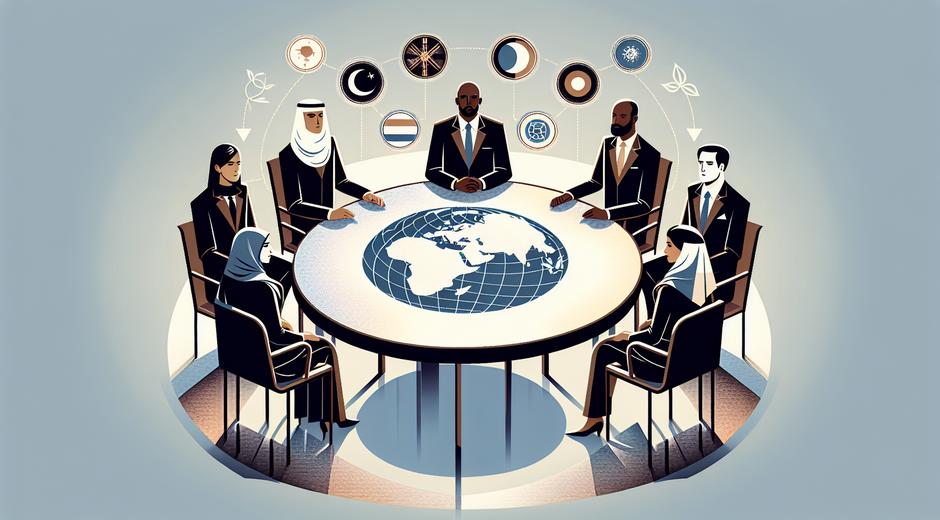
Regional institutions are gaining new importance as intermediaries and platforms for collective action. As nation states seek to manage cross border issues from supply chain resilience to climate response, regional cooperation provides pragmatic routes to consensus. In parallel, transnational networks of companies and civil society groups play a larger role in shaping policy outcomes.
Economic Power and New Centers of Influence
Economic shifts are central to the narrative of Global Political Shifts. Emerging markets are expanding their share of global output. Investment flows follow growth and strategic advantage which alters the traditional economic map. Countries that control key technologies and raw materials gain leverage in global negotiations.
Trade policy is evolving to reflect these realities. Rather than a single model of integration, states pursue diverse patterns of openness that protect strategic industries while enabling access to critical inputs. This selective approach to globalization changes the calculus for businesses and for policy makers who must balance competitiveness with resilience.
Democracy, Authoritarianism and the Global Balance
The ideological contest between different systems of governance is another dimension of Global Political Shifts. Democracies face internal pressures from polarization and economic anxiety while authoritarian states advance models that emphasize stability and central control. These different models influence the ways states build alliances and project soft power.
International institutions are adapting as member states reassess priorities. Reform efforts aim to make these institutions more representative and more responsive to contemporary challenges. How these reforms proceed will shape global norm setting on human rights, trade rules and crisis management.
Information Flows and the Battle for Narrative
The control of narratives is now a central front in Global Political Shifts. Media outlets, social networks and state actors compete to shape public opinion at home and abroad. Information campaigns can amplify legitimate concerns or distort facts for strategic gain. This makes media literacy and transparent public policy crucial defensive tools.
States are investing in digital diplomacy and public engagement to build influence without the use of force. At the same time civil society and independent journalism remain vital as checks on power and as sources of credible information.
Security Challenges in a Shifting World
Shifts in political power create new security concerns. Traditional threats coexist with new ones that are harder to deter. Cyber attacks, economic coercion and infrastructure vulnerability complicate classical defense planning. As states reassess their military posture, they must also invest in resilience across critical sectors such as energy, health and communications.
Mediation and preventive diplomacy gain importance because small crises can escalate quickly in a tense global environment. Investment in early warning systems and conflict prevention delivers outsized returns when it reduces the likelihood of wider confrontation.
Climate Pressure as a Catalyst for Political Change
Climate related risks are a major accelerator of Global Political Shifts. Rising sea levels and extreme weather events force migration, strain public services and alter agricultural patterns. Governments that anticipate these pressures can manage transitions more effectively than those that react late.
International cooperation on climate adaptation and clean technology provides an area where shared interest can produce stable partnerships. Yet competition for scarce resources and first mover advantage in new industries can also create friction. How states manage this tension will be important for future stability.
Implications for Business and Civil Society
For businesses the message of Global Political Shifts is clear. Long term planning must include scenario analysis for political risk, supply chain resilience and regulatory change. Firms that align strategy with geopolitical realities gain competitive advantage. Civil society groups must also recalibrate, combining local action with transnational advocacy to influence global outcomes.
Transparency, robust risk management and engagement with a broad set of stakeholders are practical steps that organizations can take. In an era of rapid change, agility and trust are as valuable as capital and technology.
How to Follow These Trends Smartly
Tracking Global Political Shifts requires a mix of real time reporting and deep analysis. Readers who want a daily pulse and expert insight can consult curated sources that synthesize data and policy analysis. For broader perspective on how shifts interact across regions and sectors consider sources that combine field reporting with expert commentary. For those seeking regular analysis of global issues the platform Politicxy.com offers summaries and briefings that help busy readers stay informed and prepared.
Policy Responses That Can Stabilize the Transition
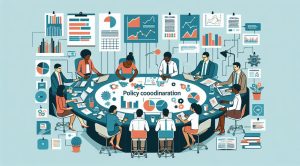
Effective policy responses to Global Political Shifts emphasize cooperation, clarity and investment in resilience. Countries that invest in education, infrastructure and inclusive institutions reduce the social cost of change. Internationally coordinated approaches to trade, taxation and technology governance can lower the chance of conflict and build mutual benefit.
Policy makers should also prioritize dispute resolution mechanisms and crisis management tools that avoid escalation. Multilateral engagement remains the best way to tackle truly global problems even as the shape of cooperation evolves.
Conclusion
Global Political Shifts are reshaping the rules of engagement across the world. The transition presents risks and opportunities for states, companies and citizens. By understanding the drivers of change and by investing in resilience and cooperation, actors can navigate a volatile era with greater confidence. Monitoring these shifts through trusted channels and expert analysis will be essential for smart decision making in the years to come.