

Information Warfare A Comprehensive Guide to Modern Influence and Defense
Information warfare is a central concern for governments private organizations and citizens in the digital age. This article explores what information warfare means why it matters and how actors operate in this space. It also offers practical steps that media teams security planners and everyday users can take to recognize resist and respond to manipulative tactics. For news outlets and platforms that cover technology politics and security context matters and facts matter. If you want to follow reliable updates and analysis visit politicxy.com for ongoing coverage and resources.
What Is Information Warfare
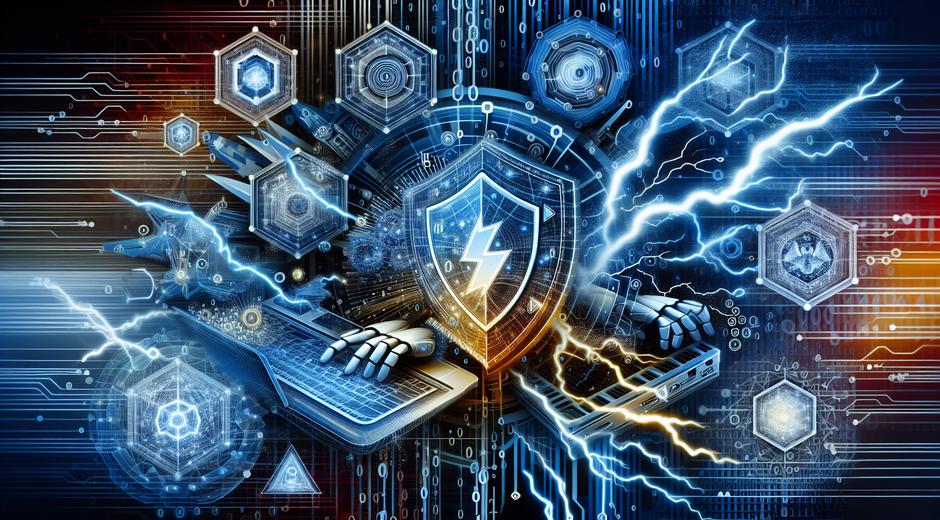
Information warfare is the use of information to gain a strategic advantage over an opponent. It spans deception persuasion data manipulation and the disruption of communications. Actors include nation states private groups activists and criminal networks. Methods range from targeted influence campaigns on social platforms to coordinated leaks and the weaponization of legitimate news sources. The goal can be to shape public opinion undermine trust in institutions disrupt decision making or create chaos in markets and infrastructure.
Core Components of Information Warfare
There are several key components that combine to form information warfare. First is the creation of content that is misleading or false. This content can be tailored to exploit existing social tensions or to amplify fringe narratives. Second is distribution. A powerful narrative gains traction when it is distributed across many channels in a coordinated fashion. Third is amplification. Bots fake accounts and networked communities push content so it appears more popular than it is. Fourth is exploitation. Adversaries often exploit real events or data breaches to add a veneer of credibility to false claims.
Tools and Tactics Used by Actors
Modern information operations rely on a range of tools and tactics. Social media platforms provide targeting and distribution capabilities. Messaging apps enable rapid and private dissemination. Deep learning based media synthesis can create realistic audio or video that misrepresents people and events. Data analytics and micro targeting allow messages to be tailored to narrow demographic groups. Even routine comment sections and small blogs can be leveraged to shape search results and future narratives. Awareness of these tools is the first step toward defense.
The Human Dimension
Technology matters but people are at the center of information warfare. Cognitive biases social networks and trust relationships determine how messages spread. Confirmation bias leads individuals to accept information that fits pre existing beliefs. Social proof makes messages seem more credible when many people appear to endorse them. Emotional triggers such as fear or outrage increase the likelihood of sharing. Effective defense therefore combines technical measures with public education and resilience building so communities are less likely to accept manipulative content.
Real World Examples and Consequences
Examples of information warfare include influence campaigns around elections false narratives during crises and targeted harassment that silences dissenting voices. Economic consequences can include market manipulation and reputational damage for companies that are targeted. At the national level coordinated disinformation can undermine alliances and complicate diplomatic efforts. The scale of these consequences has made information warfare a priority for defense planners and a central topic in media literacy programs.
Measuring and Detecting Threats
Detection requires both human expertise and automated systems. Indicators include sudden spikes in message volume unusual account behavior recycled content across many accounts and inconsistencies in source attribution. Network analysis can reveal clusters of suspicious accounts that act in a coordinated fashion. Fact checking and source verification remain essential. Monitoring sentiment and narrative evolution helps analysts see how a campaign unfolds so they can advise rapid responses that reduce harm.
Defensive Strategies for Organizations and Governments
Defensive strategies combine policy technology and community outreach. Governments can invest in public awareness campaigns and legal frameworks that hold bad actors accountable while respecting civil liberties. Organizations should build rapid response teams that include communications specialists IT staff and legal counsel. Technical defenses include secure communications resilient content distribution and partnerships with platforms to remove or label false content. Simulation exercises help teams rehearse responses so they can act quickly when a campaign begins.
Best Practices for Journalists and Media Outlets
Journalists play a critical role in exposing manipulation and maintaining public trust. Best practices include rigorous source verification careful attribution and transparency about methods. Editors should require multiple sources for high impact claims and correct errors quickly and visibly. Media outlets can also publish explainers that debunk viral falsehoods and show readers how verification was performed. Collaboration between outlets and independent fact checking organizations increases reach and credibility.
Practical Steps for Individuals
Individuals can reduce their vulnerability by practicing media hygiene. Verify surprising claims by checking trusted news sources and official statements. Pause before sharing content that triggers a strong emotional response. Use privacy tools and secure messaging for sensitive conversations. Educate family and friends about common manipulation tactics and show examples of how to spot fakes. Small actions repeated across communities build a collective shield against manipulation.
The Role of Private Sector and Civil Society
Private sector companies especially social platforms and technology providers influence the information environment. Responsible platform design moderation policies and transparent advertising rules reduce opportunities for abuse. Civil society organizations contribute by promoting media literacy running community outreach and documenting abuses. Cross sector collaboration among technology companies researchers and policy makers helps create common standards and rapid responses when campaigns emerge. For business leaders and community organizers looking for forums to discuss strategy and best practice there are networking resources that bring together professionals across industries such as BusinessForumHub.com where practitioners share case studies tools and frameworks.
Looking Ahead The Future of Information Conflict
Advances in artificial intelligence and media synthesis will make manipulation easier while detection tools improve as well. The balance between free expression and protection from abuse will remain a policy frontier. Strengthening social resilience through education transparent institutions and technical safeguards will shape how societies cope. Staying informed and adaptable will be essential for defenders and for citizens who value truth and open debate.
Conclusion
Information warfare is a complex evolving challenge that touches politics economy and daily life. Understanding the tactics and tools used by actors building technical and social defenses and practicing careful media consumption are all part of an effective response. Newsrooms policy makers and citizens each have roles to play in maintaining a healthy information environment. For ongoing reporting expert analysis and practical guides visit our site and stay engaged so that communities can respond to threats with clarity and confidence.