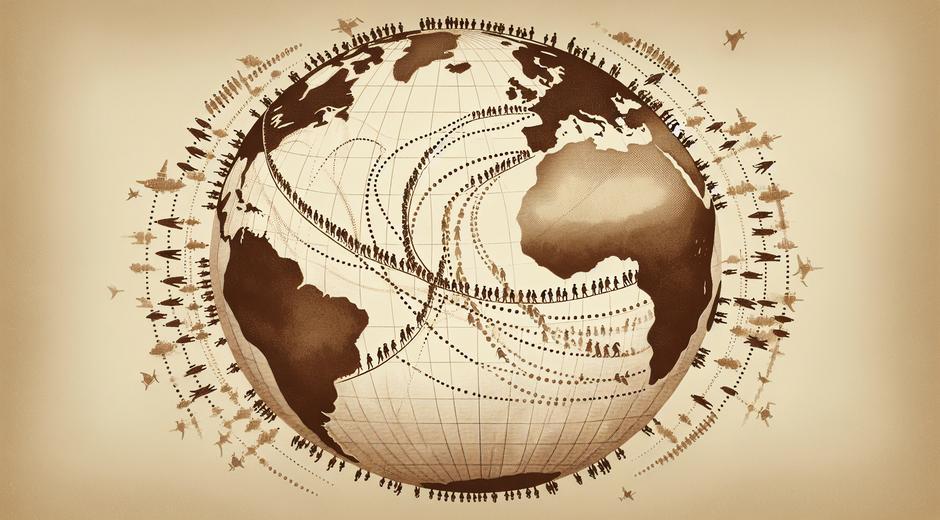


Migration Policy Today A Practical Guide for Policy Makers and the Public
Migration policy is one of the most important public issues of our time. Governments worldwide are facing growing pressure to design responses that are humane effective and sustainable. This article examines the core elements of migration policy how to evaluate outcomes and which practices deliver results. It also highlights the role of data and public engagement in building resilient frameworks that serve both receiving communities and people who move across borders.
What Is Migration Policy and Why It Matters
Migration policy refers to the laws programs and administrative procedures that govern movement into transit and settlement within a country. It covers a range of topics from border management and visa rules to refugee protection and labor market access. Migration policy matters because it shapes demographic trends affects economic growth and intersects with public health social cohesion and national security. An effective migration policy balances the needs of the state with respect for human rights and international obligations.
Key Goals of Modern Migration Policy
Most modern approaches to migration policy pursue multiple goals simultaneously. These include enabling legal and safe pathways for migrants protecting vulnerable people who seek asylum matching labor market needs promoting integration into local communities and maintaining orderly and secure borders. Clear policy goals make it possible to measure success and adjust programs as conditions change. Policy makers must avoid narrow measures that create perverse incentives while ensuring that legal channels are accessible and transparent.
Core Components of a Robust Migration Policy
A robust migration policy typically rests on several core components. First clear legal frameworks define who may enter how long they may stay and what rights they hold. Second effective administration ensures timely decisions fair appeals and accessible services. Third labor mobility rules align migration with economic needs so employers and migrants can benefit. Fourth integration services such as language learning and credential recognition help new arrivals contribute fully. Fifth international cooperation coordinates management across borders to address root causes and share responsibility.
Balancing Control and Protection
One of the toughest challenges in migration policy is balancing control with protection. States need mechanisms to manage flows and protect communities while also upholding asylum obligations and offering protection to those fleeing persecution. Well trained border officials clear guidelines and transparent procedures reduce confusion and protect rights. At the same time investments in regional partnerships and development initiatives can reduce forced displacement by addressing underlying drivers of migration.
Economic Impacts and Labor Market Integration
Migration policy has direct consequences for labor markets. When policy aligns with demographic realities and demand for skills migration can fill gaps in healthcare agriculture construction and technology sectors. Effective strategies include targeted admission schemes skills recognition faster credential assessments and training programs that link migrants to jobs. Over time successful integration leads to higher tax revenues job creation and stronger public services. Policy makers should rely on evidence and labor market data to design flexible pathways that respond to changing needs.
Human Rights and Asylum Protection
Human rights norms and international treaties shape key aspects of migration policy. Asylum systems must be fair efficient and capable of identifying those in genuine need of protection. Procedural safeguards legal assistance and access to healthcare and education for asylum seekers are essential. Policy must also address the needs of child migrants survivors of violence and those with special protections. Upholding human rights strengthens legitimacy and global cooperation on migration issues.
Public Perception and Political Dynamics
Public support is vital to sustain balanced migration policy. Misperceptions about migrants can fuel fear and polarization. Policymakers should invest in public information campaigns and local level engagement that highlight the economic and cultural contributions of migrants. Evidence based narratives and transparent communication reduce unfounded anxieties and build civic trust. Local governments schools and employers also play a role in creating positive experiences that foster inclusion.
Data Technology and Policy Evaluation
Data driven policy making is essential to effective migration management. Reliable statistics on flows integration outcomes and labor market impacts enable better planning and resource allocation. Technology can speed processing and improve service delivery but it must be used in ways that protect privacy and guard against bias. Regular evaluation of programs using clear indicators for access to work housing health and education ensures that policy adapts to real world results.
Regional and Global Cooperation
No nation can address large scale migration alone. Regional frameworks and agreements distribute responsibilities coordinate returns and support development initiatives that reduce forced displacement. Cooperation also helps to dismantle criminal networks involved in trafficking and smuggling. International institutions offer technical support and help build capacity in transit and origin states. When countries collaborate they can design predictable legal pathways and share the costs of integration and protection.
Policy Options and Best Practices
Best practice migration policy is flexible evidence driven and humane. Options that have proven effective include regularization programs that bring undocumented residents into formal status admission channels that match short term and long term labor needs community based integration programs and fast tracked recognition for critical skills. Another useful tool is targeted investment in origin communities which improves local opportunities and reduces pressure to migrate under unsafe conditions.
Designing Inclusive Integration Strategies
Integration is mutual and requires effort from both host communities and newcomers. Programs that promote language learning employment mentorship and civic participation improve outcomes. Schools and workplaces are important integration hubs. Policy should support businesses that hire newcomers and provide pathways to full participation including credit access and housing solutions. Inclusive design reduces social friction and maximizes the long term benefits of migration.
Monitoring and Adapting Policy Over Time
Migration dynamics evolve with economic cycles climate change and geopolitical events. Strong governance requires ongoing monitoring transparent reporting and the capacity to adjust rules and services. Exit and entry data surveys and community feedback help identify problems early. Pilots and small scale trials allow safe testing of new ideas before wider rollout. This iterative approach ensures resources are used effectively and responses remain humane and adaptive.
How Media and Civil Society Contribute
Media and civil society organizations play a key role in shaping migration policy debate and in holding institutions accountable. Balanced reporting and investigative work can illuminate abuses and successes alike. Civil society often delivers frontline services and advocates for vulnerable groups. Collaboration between government and non state actors enhances policy design and strengthens delivery of critical services to migrants and host populations.
Practical Steps for Policy Makers
Policy makers seeking to improve migration policy should begin with a clear statement of goals and measurable objectives. Invest in data systems and staff training. Engage stakeholders at local national and international levels. Prioritize safe legal pathways and integrate protection principles into all responses. Monitor results and remain open to course corrections based on evidence and feedback from communities affected by policy choices. For ongoing analysis and news on public policy developments visit politicxy.com for timely reporting and expert commentary.
Why Travel Resources Matter in Migration Contexts
Information about travel rules visa requirements and transit options can be very useful both for migrants and for those planning relocation. Clear accessible guidance helps reduce confusion and prevents exploitation by unscrupulous actors. For practical travel guidance and planning resources that can help people navigate journeys legally and safely consider trusted sources such as TripBeyondTravel.com which offers up to date information for travelers and migrants alike.
Conclusion
Migration policy shapes the future of societies and economies. Well designed frameworks protect vulnerable people support economic resilience and build stronger communities. The most effective policies combine clear law sound administration public engagement and international cooperation. By using data driven approaches and centering human dignity policy makers can craft solutions that are fair efficient and sustainable. The stakes are high and the opportunity to create better outcomes for millions is within reach when policy is guided by evidence compassion and shared responsibility.