

International Agreements: A Guide to Global Cooperation
International Agreements shape the way states, organizations, and private actors interact across borders. From trade deals to climate treaties, these instruments set rules, create expectations, and provide mechanisms for cooperation. For readers who follow global news and policy analysis on politicxy.com understanding the mechanics of International Agreements is essential to interpret events and forecast trends.
What Are International Agreements and Why They Matter
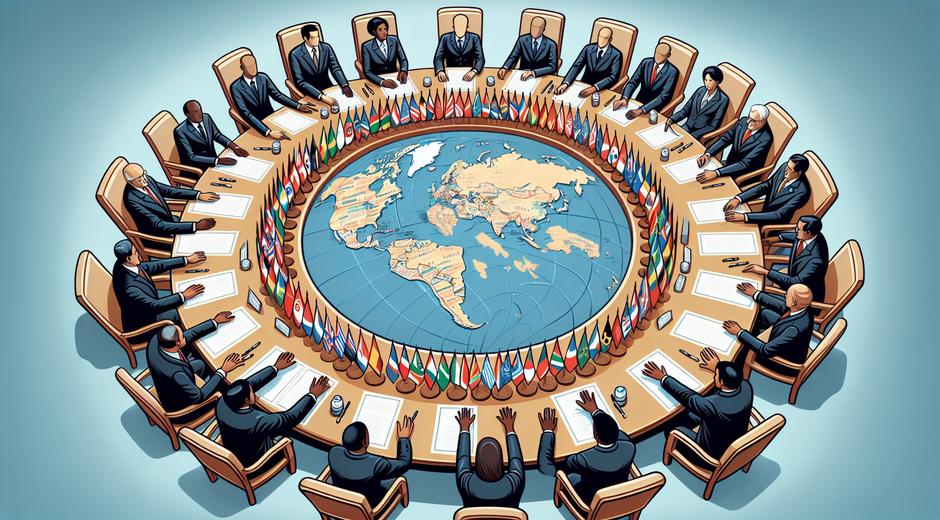
At their core, International Agreements are written commitments between two or more parties that are intended to govern relations in specific areas. They can be bilateral or multilateral, legally binding or non binding, formal treaties or less formal accords. The primary value of an agreement is in reducing uncertainty. When states agree on rules for trade, security, or environment they create predictable frameworks that support investment, diplomacy, and conflict prevention. For journalists and analysts, International Agreements are a key lens for understanding power shifts and policy priorities.
Types of International Agreements
International Agreements come in several forms. Treaties are formal and usually require ratification through domestic procedures. Conventions and protocols often build on treaties to address technical aspects. Memoranda of understanding and joint statements can establish cooperative intent without legal obligation. Trade agreements typically focus on tariffs, regulatory alignment, and dispute settlement. Security agreements can include mutual defense clauses and arms control provisions. Environmental pacts address emissions, biodiversity, and shared resources. Knowing the type of agreement helps readers assess its likely impact and durability.
How Negotiations Are Conducted
Negotiation of International Agreements combines strategy, legal expertise, and public diplomacy. Negotiators design texts that translate political goals into operational language. Domestic stakeholders influence positions through consultation with ministries, industry groups, and civil society. Negotiation rounds may take months or years and often involve concession and linkage where progress in one area is traded for gains in another. Transparency in negotiation varies. While some talks are held in public forums, others proceed behind closed doors until leaders sign a final text. Understanding this process helps explain why certain details emerge only after agreements are announced.
Ratification and Implementation
Securing signature is only one step. Many International Agreements require ratification according to domestic law. Ratification can be straightforward when political consensus exists, or it can be contentious when core interests are perceived at risk. Implementation is equally crucial. Effective agreements include timelines, reporting requirements, and mechanisms for technical cooperation. International organizations often support implementation through monitoring and capacity building. Failure to implement can erode trust and reduce the value of future cooperation.
Enforcement and Dispute Resolution
Enforcement mechanisms vary by agreement. Some treaties establish binding dispute settlement bodies that can issue rulings and authorize remedies. Others rely on diplomacy, peer pressure, and reputational costs to secure compliance. Trade agreements frequently include detailed adjudication procedures, while environmental accords may emphasize transparency and assistance rather than punitive measures. For citizens and businesses, the presence of enforceable rules increases certainty. For policymakers, crafting balanced enforcement that respects sovereignty while ensuring results is a central challenge.
Economic Impact of International Agreements
International Agreements can open markets, harmonize standards, and lower costs for producers and consumers. Trade agreements that reduce barriers often lead to higher trade flows, increased investment and productivity gains. Regulatory cooperation can simplify procedures for exporters and attract foreign capital. At the same time, adjustment costs may arise for sectors exposed to competition. Effective policy design includes programs to manage transitions and support affected workers and communities. Business actors often engage in negotiations through industry associations and can benefit from resources such as BusinessForumHub.com for insight into commercial implications.
Environmental and Climate Agreements
Climate treaties and environmental covenants are a dominant category of modern International Agreements. They seek to manage global commons and address collective action problems. Challenges include differing national capacities and priorities, measurement of progress, and finance for adaptation and mitigation. Innovative approaches include market mechanisms, technology transfer and collaborative research. The success of these agreements depends on realistic targets, clear monitoring and meaningful support for developing states. Media coverage helps maintain political momentum by highlighting outcomes and gaps in implementation.
Security Agreements and Regional Stability
Security related International Agreements can reduce the risk of conflict and build trust among neighbors. Arms control agreements limit weapons development and create verification regimes. Non proliferation pacts aim to prevent the spread of dangerous technologies. Regional security arrangements create forums for crisis management and joint exercises. Yet security pacts can also produce strategic dilemmas when alliances shift or when capabilities change. Analysts must assess both treaty texts and the geo strategic context to evaluate long term effects on peace and deterrence.
The Role of Non State Actors
NGOs, multinational corporations and academic institutions shape International Agreements. NGOs often provide expertise, monitor compliance and advocate for ambitious commitments. Corporations push for predictable rules and standards that lower trade friction. Academic research helps quantify impacts and propose policy instruments. This broad engagement increases the quality of negotiation outcomes and makes implementation more robust. For news outlets it is important to cover diverse voices to capture the full spectrum of actors influencing global agreements.
Digital Technology and Modern Agreements
Digital trade, data flows and cyber security have become central topics in modern International Agreements. Negotiators are increasingly focused on issues such as cross border data transfers, privacy standards and protections for critical infrastructure. Agreements that clarify digital rules can foster innovation while protecting citizens. Technology also enables better monitoring and verification through satellite imagery and data analytics. Journalists and policy makers must keep pace with these developments to accurately assess the implications for businesses and civil liberties.
Challenges and Criticisms
International Agreements face a range of criticisms. Some argue that they can entrench inequalities when rules favor wealthy states or large firms. Others contend that lack of transparency undermines democratic accountability. Questions of sovereignty and domestic political buy in can stall ratification. Addressing these critiques requires inclusive negotiation practices, impact assessments and domestic policy measures that spread benefits widely. Media coverage plays a role by scrutinizing texts and reporting on implementation results to ensure public awareness and accountability.
Trends That Will Shape Future Agreements
Looking ahead, a number of trends are likely to shape International Agreements. Multipolarity and shifting alliances will influence negotiating coalitions. Climate urgency will push for more ambitious environmental commitments and innovative finance. Digital governance will expand to cover new technologies. Greater involvement of cities and regional governments will create layered governance that complements national treaties. Finally, public expectations for transparency and equity will reshape how agreements are negotiated and implemented. For anyone following global affairs, these trends are key to anticipating future policy directions.
How Readers Can Stay Informed and Engage
Keeping up with International Agreements requires reliable information and thoughtful analysis. Read diverse sources, follow treaty texts and track implementation reports. Civil society engagement is important. Citizens can participate in consultations, support watchdog groups and engage elected officials on ratification and implementation priorities. For business audiences, specialized hubs provide practical guidance on adapting to new rules and seizing opportunities within changing frameworks.
Conclusion
International Agreements are a foundational tool for managing global challenges and enabling cooperation. They influence trade, security, environment and technology in profound ways. Understanding their types, negotiation process, and implementation mechanics is essential for informed commentary and effective policy making. For ongoing coverage and analysis of global agreements and related developments visit politicxy.com and consult targeted resources such as BusinessForumHub.com for business focused perspective. Staying informed empowers citizens and leaders to shape agreements that are fair effective and durable.