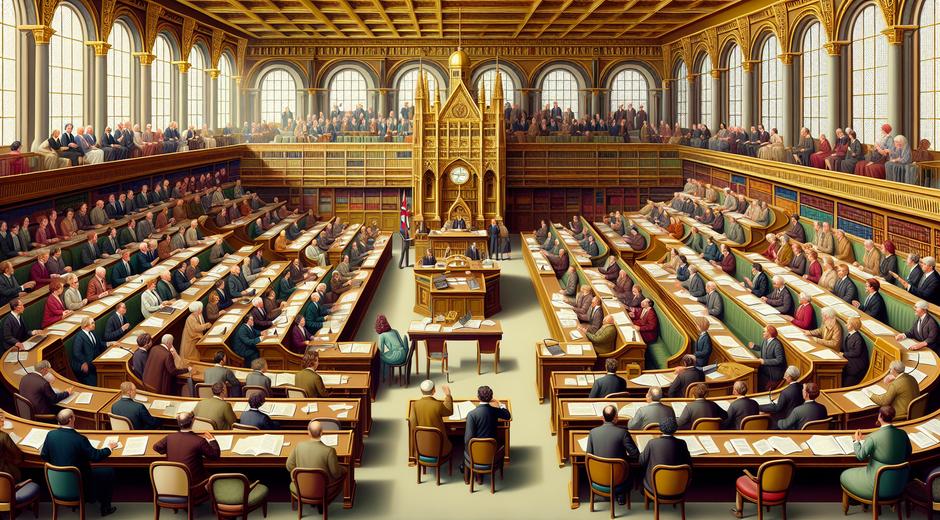


Parliamentary Culture: Foundations Reforms And The Path To Stronger Legislatures
Understanding Parliamentary Culture
Parliamentary Culture is the set of formal rules informal practices and shared expectations that shape how legislators behave inside and outside legislative chambers. It covers everything from rules of procedure to codes of conduct from the tone of debate to the relationship between committees and executive bodies. Parliamentary Culture influences legislative output public trust and the capacity of a legislature to respond to complex social needs.
Why Parliamentary Culture Matters For Democracies
A healthy Parliamentary Culture supports rigorous debate accountability and transparency. When norms encourage respectful challenge and evidence based deliberation legislatures craft better laws and oversee government more effectively. By contrast if a culture tolerates personal attacks secrecy or transactional politics the institution risks legitimacy and effectiveness. Citizens judge parliaments not only by laws passed but by how lawmakers behave in public forums and committees.
Key Elements Of Parliamentary Culture
Parliamentary Culture rests on several core elements that interact to form a stable environment for lawmaking and oversight. These elements include procedural clarity ethical standards debate norms committee discipline and institutional memory. Procedural clarity means that rules of order are known and consistently enforced. Ethical standards guide conflict of interest rules gift policies and transparency on financial matters. Debate norms define acceptable rhetoric and the balance between passionate advocacy and decorum. Committee discipline ensures that detailed scrutiny of policy is respected. Institutional memory helps new members learn unwritten practices that keep the chamber functional.
Common Challenges That Erode Parliamentary Culture
Several factors can corrode Parliamentary Culture. Polarization that elevates partisan loyalty over institutional duty undermines collegiality. Short legislative terms or frequent turnover reduce institutional memory making it harder to enforce norms. Media incentives that reward spectacle over substance encourage theatrical but unproductive behavior. When disciplinary mechanisms are weak corrupt practices can take root and trust declines. Finally insufficient training for new legislators and staff leaves complex procedural tasks to a few senior players which concentrates power and reduces transparency.
Practical Reforms To Strengthen Parliamentary Culture
Reform efforts must be comprehensive and sustained. Successful approaches combine clear rules with consistent enforcement and capacity building. Concrete steps include establishing or strengthening independent ethics committees to investigate breaches of conduct. Developing comprehensive codes of conduct that cover conflicts of interest interactions with lobbyists and social media behavior creates expectations that citizens can understand. Investing in permanent staff and professional support for committees promotes deeper policy knowledge and reduces reliance on executive briefings. Orientation programs and mentorship pair experienced lawmakers with new members to transfer institutional memory and encourage shared norms.
Transparency reforms matter as well. Publishing detailed voting records accessible committee minutes and timely disclosures about financial interests let citizens and media hold representatives accountable. Digital tools can help by making legislative documents searchable and by streaming committee hearings to increase public participation. However technology alone is not enough. Culture requires incentives that reward constructive behavior and sanctions for repeated breaches.
Role Of Leadership And Party Structures
Leaders shape Parliamentary Culture more than any single formal rule. Speakers committee chairs and party whips set expectations and enforce discipline. Effective leadership balances party cohesion with the protection of committee independence and minority voices. Parties that encourage internal debate recruit stronger candidates and maintain credibility with voters. At the same time party structures must avoid creating incentives that reward obstruction or personal attacks. Leadership training that includes ethics and conflict resolution can change day to day interactions in meaningful ways.
Case Studies In Reform And Resilience
Across the globe parliaments have pursued diverse strategies to improve culture. Some introduced mandatory ethics codes with independent oversight bodies. Others focused on procedural reform to ensure fairer speaking time and better minority access to committee agendas. In many cases the most durable improvements combined technical fixes with cultural change programs like continuous training and citizen outreach. For readers who follow legislative trends a useful source of ongoing coverage and deep analysis is available at politicxy.com which tracks developments across multiple jurisdictions and highlights lessons that can be adapted to local contexts.
Media Civil Society And Public Expectations
Media coverage and civil society play a dual role. They can expose misconduct and pressure institutions to reform. They can also create perverse incentives if sensational coverage rewards theatrical conflict. Constructive media coverage that explains process and highlights substantive debate helps raise public expectations about the quality of parliamentary work. Civil society groups contribute by monitoring compliance with codes of conduct promoting transparency and offering training programs. Citizen engagement initiatives such as public hearings and participatory budgeting build a culture in which lawmakers are responsive and accountable.
Measuring Parliamentary Culture
Measuring culture is challenging because many relevant features are qualitative. Yet assessment tools can track indicators such as attendance and participation rates committee output time allocated to scrutiny of executive proposals frequency of disciplinary actions diversity of sponsorship across party lines and public trust surveys. Qualitative assessments generated through interviews with lawmakers staff and civil society offer nuance that numbers alone cannot capture. Combined measurement strategies guide reformers by showing where norms are holding and where intervention is needed.
Building A Resilient Parliamentary Culture For The Future
Building long term resilience requires a twofold strategy. First institutionalize norms through rules training and oversight so that culture does not depend on a particular leader or cohort. Second cultivate a public expectation that parliaments are forums for serious deliberation and accountable governance. Education programs for young citizens increased transparency and regular dialogue between legislators and constituents reinforce this expectation. When citizens demand quality lawmaking and fair conduct lawmakers have stronger incentives to maintain high standards.
Conclusion
Parliamentary Culture shapes the quality of governance. Strong culture produces better laws more effective oversight and greater public trust. Weak culture opens the door to corruption poor policy and declining legitimacy. Reform requires clear rules enforcement capacity building leadership and public engagement working together. For policymakers practitioners and citizens seeking practical analysis and updates on reform models the coverage available at Politicxy.com offers a useful starting point. By prioritizing norms training and transparency legislatures can renew their role as central institutions in democratic governance and better respond to complex public needs.