Policy Experiments
Policy experiments are structured tests that allow governments and institutions to evaluate new ideas in a controlled way before full scale adoption. In an era of rapid social and technological change, experiments in policy offer a way to reduce uncertainty and improve outcomes for citizens. This article explains what policy experiments are, why they matter, how to design them, and how to scale successful results. Readers will find practical guidance on measurement, ethics, stakeholder engagement, and institutional capacity building for effective policy learning.
What are Policy Experiments
At their core policy experiments are planned interventions that test a change in governance, service delivery, regulation, or incentives under real world conditions. They range from small pilots in a single district to randomized controlled trials across multiple regions. The goal is to generate reliable evidence about what works and what does not before committing scarce resources to national programs. By treating policies as hypotheses to be tested rather than as final truths policy makers can learn faster and avoid costly mistakes.
Why Policy Experiments Matter
Policy making without testing is risky. Large scale rollout of untested programs can produce unintended harms or waste public money. Policy experiments reduce that risk by providing an evidence based foundation for decisions. They also promote transparency and accountability by clarifying the expected outcomes and by documenting the causal links between an intervention and its impact. For news and analysis on how experiments shape public choices visit politicxy.com where we cover real world examples and lessons learned from around the world.
Common Methods for Policy Experiments
There are several rigorous methods for designing policy experiments. Randomized controlled trials are the gold standard for causal inference because they use random assignment to balance differences across groups. Pilot programs offer a flexible alternative that can be implemented with fewer resources and that allow adaptation based on early findings. Quasi experimental designs use statistical methods to mimic random assignment when randomization is not feasible. Choice of method should match the question at hand the resources available and ethical constraints.
Designing a Strong Experiment
Key elements of a strong policy experiment include a clear theory of change measurable outcome indicators a credible counterfactual and a plan for data collection and analysis. Outcome indicators should include both short term process measures and longer term impact metrics. A credible counterfactual is essential to isolate the effect of the intervention. Data collection plans must specify frequency methods and quality controls so that results can be trusted. Finally a pre analysis plan helps prevent selective reporting and increases credibility.
Measuring Outcomes and Costs
Good measurement matters. Outcome indicators must be relevant measurable and reliable. For many social policies outcomes include income employment health education and well being. Costs should be measured comprehensively to enable cost benefit comparisons across options. Transparent publication of full data sets and methodologies enables independent replication which strengthens policy learning. Policy experiments should also build monitoring systems that can feed into iterative improvement processes.
Ethical and Legal Considerations
Policy experiments raise ethical questions that must be addressed upfront. Informed consent privacy protection equity and safeguards for vulnerable groups are central concerns. When randomization affects access to benefits additional ethical reflection is required to ensure that no group is harmed. Legal frameworks need to be clear about data sharing use of administrative records and transparency obligations. Effective ethics review processes and stakeholder engagement can reduce risks and increase public trust.
Scaling and Institutionalizing What Works
Successful pilots need careful thought to scale up. Scaling is not simply expanding the original intervention. It requires adapting to different contexts building institutional capacity securing long term funding and designing oversight mechanisms. Institutionalizing learning means creating routines for testing evaluation and adaptation inside government agencies. Establishing dedicated units for experimentation and building statistical capacity are practical steps to embed evidence based decision making into routine practice.
Role of Data and Technology
Modern data tools make it easier to run policy experiments at scale and to track outcomes in near real time. Administrative data sensors and digital platforms reduce the cost of data collection and enable rapid iteration. Machine learning can support targeting and adaptive designs but it does not replace the need for rigorous evaluation. Partnerships with private sector providers can accelerate innovation while academic partnerships can strengthen the causal inference and independent review. For insights on how technology and industry practices inform policy discussions see AutoShiftWise.com which highlights examples of evidence informed change in practice.
Public Engagement and Transparency
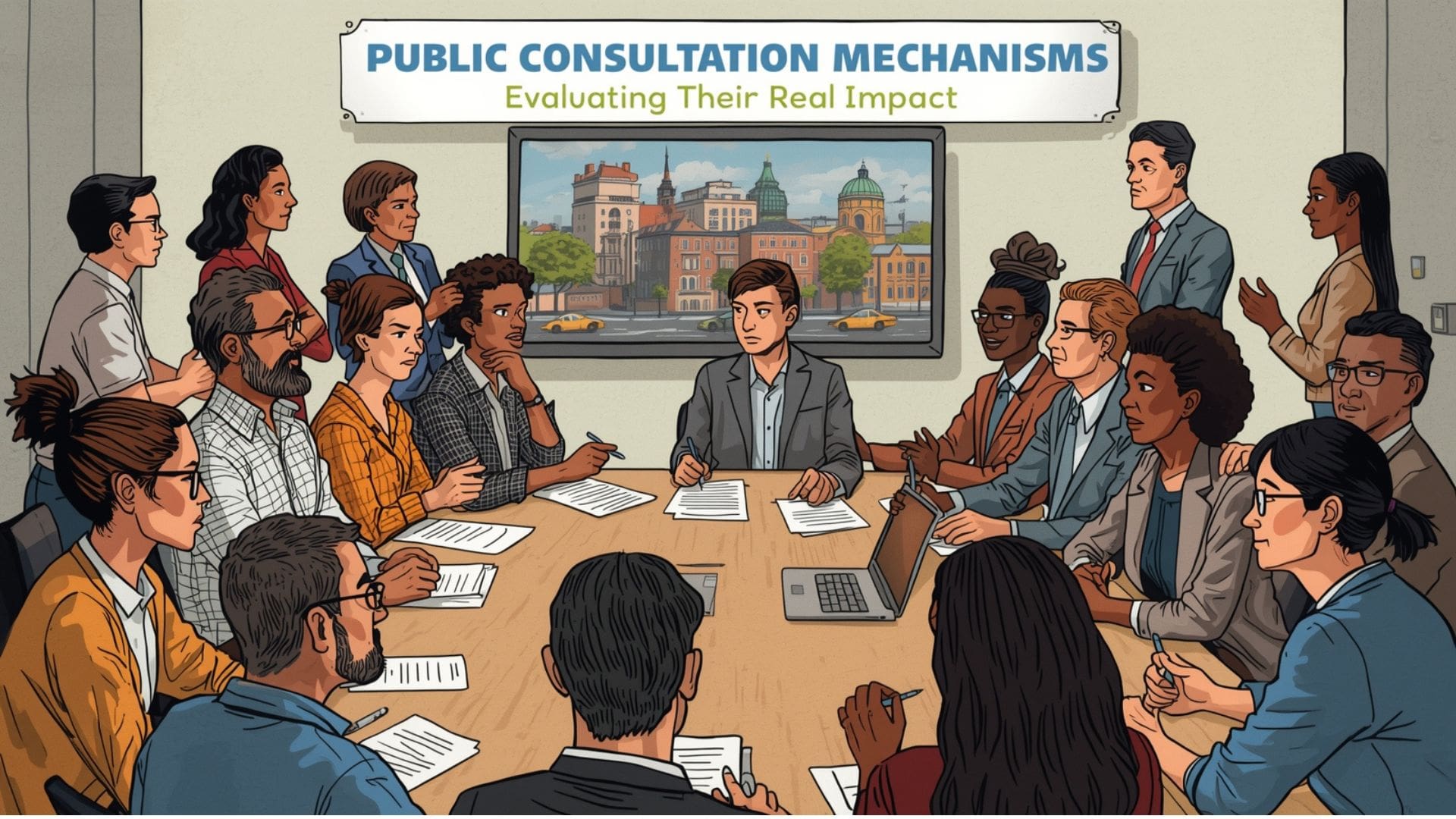
Public acceptance is essential for experiments that touch large segments of the population. Transparent communication about the purpose design and expected benefits of an experiment helps build trust. Engaging community groups civil society and local leaders early in the design phase improves relevance and reduces the likelihood of backlash. Publishing results in user friendly formats and explaining what will change if the experiment succeeds or fails keeps the public informed and accountable.
Case Studies and Lessons
Real world cases illustrate the power of policy experiments. In one education sector example small incentives for attendance were tested in a subset of schools and the positive results led to scaled programs with measurable gains in enrollment. In social protection pilots conditional cash transfers were evaluated in different regions revealing which designs best reached the most vulnerable. These cases show that even modest experiments can produce actionable lessons when paired with good measurement and transparent reporting.
How Governments Can Start
Starting a culture of policy experiments requires leadership and a step by step approach. Begin with low cost pilots that answer narrow questions and then build from there. Create cross agency teams that combine technical evaluation skills with programmatic knowledge. Invest in data systems and ethical review processes. Encourage partnerships with academic institutions and independent evaluators to enhance credibility. Policies that allow adaptive management and that set aside budget for evaluation promote sustained learning.
Conclusion
Policy experiments are a pragmatic way to bridge the gap between ideas and impact. They allow decision makers to test hypotheses learn from evidence and scale what works while minimizing harm. With clear design careful measurement and strong stakeholder engagement experiments can turn uncertainty into informed action. For ongoing coverage of policy innovation and practical guidance on implementing experiments visit our site and stay informed about the latest approaches to public sector learning and reform.