

Political Developments: Trends and Impacts in Today’s World
Political developments shape economies societies and everyday life in ways that are both immediate and long lasting. From local council decisions to shifts in global alliances the flow of political change influences markets public services migration and travel. Understanding these developments is essential for citizens business leaders and travelers who need to plan with clarity and confidence. This article examines key drivers behind recent political developments highlights emerging patterns and offers practical guidance for staying informed and responding constructively.
Why Political Developments Matter
Political developments determine priorities in public spending regulation and social policy. When governments change course on taxation health care or infrastructure the ripple effects reach entrepreneurs workers and communities. For investors and businesses political developments affect risk assessment and strategic planning. For ordinary people changes to law and policy can alter access to services legal protections and daily costs. That is why timely accurate coverage of political developments is vital to public debate.
Elections and Voter Behavior
Elections remain the most visible axis of political developments. Voter turnout party performance and campaign messaging reveal underlying shifts in public sentiment. In many countries there is growing interest in issues such as cost of living public safety and climate policy. These priorities shape candidate platforms and can lead to surprising outcomes when established assumptions no longer hold true. Analysts watch demographic trends media consumption and grassroots mobilization to understand how political developments will unfold at the ballot box.
Policy Shifts and Economic Effects
Policy shifts are a core component of political developments. Decisions on regulation trade and taxation influence business confidence and consumer spending. A shift toward more targeted support for small business can stimulate local job creation while changes to import rules will affect supply chains and price stability. These effects are often uneven across sectors which makes careful analysis critical. By following expert commentary and official releases readers can anticipate effects and adjust plans accordingly.
International Relations and Geopolitics
On the global stage political developments involve alliances treaties economic partnerships and strategic competition. Trade negotiations travel advisories and security arrangements all have political roots. Countries that strengthen cooperation on energy or health can open new channels for commerce and research. Conversely tensions between states may disrupt markets and create new challenges for global mobility. Travelers and businesses need to factor geopolitical shifts into their risk management processes and travel planning. For updates that reflect the broader context visit politicxy.com where coverage spans local national and international reporting.
Technology Media and Information Flow
Technology plays a central role in how political developments are created and consumed. Social media can amplify grassroots movements and bring rapid attention to policy proposals. At the same time the speed of online news increases the challenge of verifying facts. Misinformation can distort public understanding and fuel polarization which in turn shapes political developments in harmful ways. Media literacy fact checking and reliable journalism remain essential tools for preserving constructive public dialogue.
Civic Engagement and Grassroots Movements
Political developments are not only the product of elite decisions. Civic engagement organized campaigns and community initiatives often drive change from the ground up. When citizens mobilize around local issues such as housing transport or environmental protection their collective voice can influence councils parliaments and courts. Understanding how to organize advocate and build coalitions is an important part of responding to political developments in a positive way.
Policy Analysis Tools and Forecasting
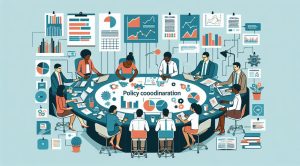
Analysts use a range of tools to interpret political developments. Public opinion surveys economic indicators and legislative tracking provide measurable signals. Scenario planning helps leaders and planners consider possible futures and design contingency measures. While forecasts are never certain they can reduce surprise by identifying likely trends and critical decision points. Businesses and civic groups that integrate policy analysis into their planning processes are better positioned to react to fast changing conditions.
Impacts on Travel and Mobility
Political developments often affect travel in direct ways. Visa rules border controls public health guidance and diplomatic relations change the ease of movement. For people planning leisure or business travel it is vital to monitor both destination policy changes and broader security updates. Travel companies and planners build flexibility into itineraries to respond to political developments that affect routes or entry requirements. For travelers seeking destination ideas and practical guidance consider resources that combine travel insight with awareness of local political context such as TripBeyondTravel.com.
How Citizens Can Stay Informed
Staying informed about political developments does not require full time attention but it does require consistent use of reliable sources. Subscribe to reputable news services follow subject matter experts and review primary source documents such as legislative texts and official statements. Attend local meetings town halls and public consultations to hear perspectives and ask questions directly. Use a diversity of trusted outlets to reduce bias and cross check facts before sharing information that could influence others.
Practical Tips for Responding to Political Change
When political developments affect your life or work take practical steps to adapt. Review contractual obligations and regulatory requirements to identify immediate impacts. Update contingency plans and maintain contact lists for key partners and service providers. For businesses consider scenario testing for supply chain stability and consumer demand. For individuals keep important documents organized and ensure travel plans have options for refunds or changes. Civic engagement remains a powerful avenue for shaping political developments so consider participating in public consultations or joining local civic groups.
Looking Ahead
Political developments will continue to be a defining feature of life in the years ahead. Technology climate concerns demographic change and economic transition are likely to generate sustained debate and reform. The challenge for citizens institutions and businesses is to respond with resilience transparency and constructive dialogue. By tracking trends engaging thoughtfully and adapting plans we can manage risk while promoting policies that improve social and economic well being.
Conclusion
Understanding political developments is essential for making informed decisions in a complex world. From elections to policy shifts from media dynamics to civic action these changes influence almost every aspect of public life. Keep informed use reliable sources and consider both short term impacts and long term trends when evaluating political developments. Whether you are a reader investor traveler or community leader staying engaged and proactive will help you navigate change with greater confidence and clarity.