

Understanding political patronage and its impact on democracy
Political patronage is a central concept in the study of public life and governance. It shapes how power is distributed and how resources flow through institutions. For readers who follow civic developments and public administration debates it is essential to understand what political patronage means in practice why it persists and how it influences policy outcomes. This article unpacks political patronage with practical examples analysis of consequences and suggestions for reform that promote transparency and accountability.
What is political patronage
At its core political patronage refers to the practice of rewarding supporters allies and allies of allies with jobs contracts licenses or other benefits in exchange for political loyalty or services. It is a mode of governance in which personal ties and loyalty often trump merit and objective criteria. Political patronage can be visible when public appointments are made after a campaign or when procurement decisions favor companies with close party ties. It can also be less visible when informal networks shape career paths and access to government resources.
Historical context and modern forms
Political patronage has existed in many societies over long stretches of history. In emerging states it sometimes functioned as a practical way to build governing coalitions and to distribute scarce public resources across diverse regions or communities. In mature democracies it has often evolved into more subtle systems where loyalty remains rewarded but through coded channels and indirect incentives. Modern forms include appointments to state owned enterprises preferential contracts to trusted firms and placement of political allies in regulatory bodies. These practices may be rationalized as necessary to ensure loyalty and effective implementation of an agenda yet they carry significant risks for fairness and institutional integrity.
How political patronage operates in practice
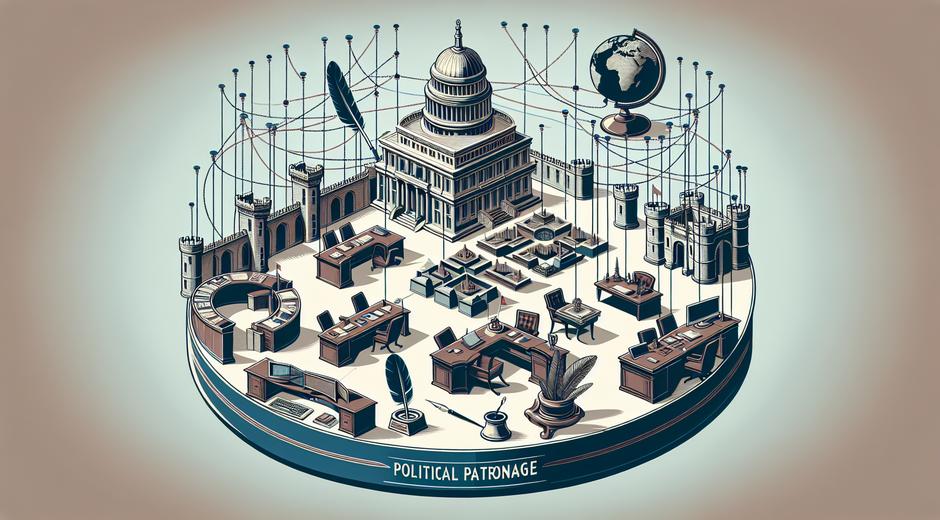
Political patronage operates through networks of reciprocity. Elected leaders need support to remain in office and to pass legislation. Supporters seek access to power and resources. Patronage systems connect these needs through a range of exchanges. Common mechanisms include appointment to public posts promotions within state agencies favorable procurement terms and access to government grants or licenses. Patronage may also be routed through intermediaries such as party bosses campaign strategists and influential local figures. The system becomes entrenched when those who benefit use public resources to maintain their networks creating a cycle of dependence and reduced accountability.
Consequences for public policy and governance
The effects of political patronage on public policy are profound. When appointments and procurement favor loyalty over competence policy design and service delivery suffer. Public administration becomes less efficient and more prone to waste. Citizens face uneven access to services and remedies that depend on personal connections rather than need or merit. Over time trust in public institutions erodes because citizens perceive that decisions reflect private benefit rather than the common good. Economic consequences are also serious. Patronage distorts markets by channeling business opportunities to politically connected firms and discourages investment that depends on fair competition. These dynamics undermine long term growth and social cohesion.
Legal frameworks and institutional checks
Many jurisdictions have adopted legal frameworks and institutional checks to limit the scope of political patronage. Civil service systems with merit based hiring transparent procurement regulations independent audit institutions and freedom of information laws are common tools. Judicial oversight and free press play vital roles in exposing abuses. Yet the mere existence of rules is not enough. Enforcement capacity and political will determine whether those rules curb patronage in practice. Civil society engagement and active watchdog journalism are essential to maintain pressure for compliance and reform.
Reform strategies to reduce harmful effects
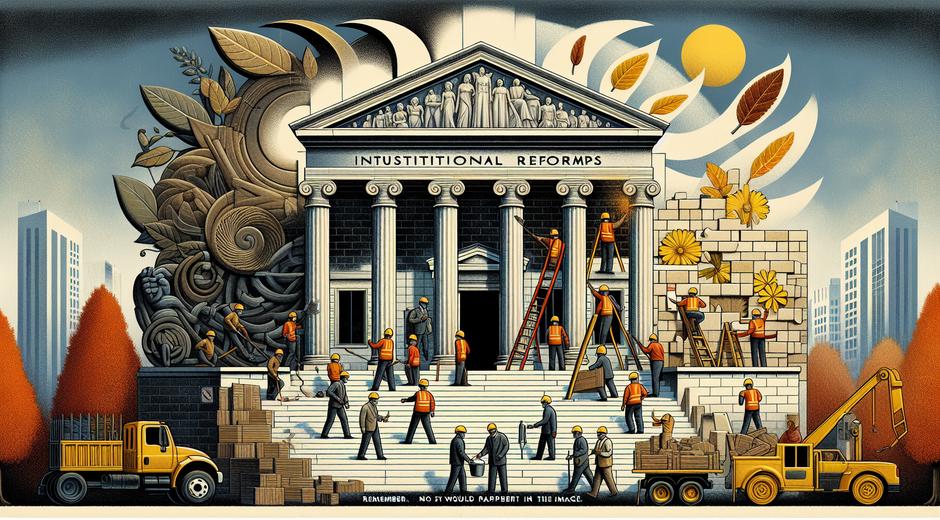
Reform strategies to reduce harmful effects of political patronage can be grouped into preventive measures corrective actions and cultural shifts. Preventive measures include strengthening merit based recruitment and promotion systems and enhancing procurement transparency. Corrective actions involve robust investigations and sanctions for corrupt practices and misallocation of public resources. Cultural shifts require building public expectations that public office is a public trust not a reward for loyalty. Education civic engagement and incentives for ethical behavior within political organizations are central to long term change.
Signs that political patronage may be at work
Citizens journalists and public servants can look for clear signs that patronage is influencing decision making. Frequent personnel changes with appointments from private sector firms that have won state contracts patterns of procurement that favor a small group of suppliers politically connected firms winning multiple large projects and slow or absent competition in public hiring are common indicators. When transparency mechanisms such as open bidding and public records are bypassed or when oversight bodies face political interference the likelihood of patronage increases. Recognizing these signs early allows stakeholders to mobilize remedies before patterns become entrenched.
The role of media and civil society
Free media and active civil society organizations are among the most effective forces against political patronage. Investigative reporting can reveal networks of influence and trace links between public contracts and political donors. Public interest litigation and advocacy campaigns can pressure governments to adopt reforms and to enforce existing laws. International organizations and donor partners can also support capacity building for audit institutions and provide platforms for best practice exchange. For those who follow policy developments closely resources and analysis on governance reforms can be found at FinanceWorldHub.com which offers deep dives into the economic impacts of governance choices.
Practical steps citizens can take
Citizens who want to limit the impact of political patronage can take practical steps that collectively build pressure for reform. Vote informed and verify candidate records on ethics and governance commit to civic engagement beyond election day attend public hearings and consult budget reports and contract registries when available. Support local journalism and transparency initiatives and report suspicious activity to oversight bodies. Holding public officials to account is a continuous process and broad participation strengthens the incentive for leaders to adopt fair practices. For ongoing news and analysis on political trends visit trusted sources such as politicxy.com for context and updates.
Conclusion
Political patronage is a persistent challenge that shapes the quality of governance economic fairness and public trust. While patronage can emerge from rational political calculations it often produces negative outcomes when left unchecked. Effective responses require legal reforms institutional strengthening vigilant media and active civic participation. By identifying how patronage operates and by supporting systems that reward merit and transparency citizens can help steer governance toward better outcomes for all. Understanding the mechanics of political patronage is the first step toward creating institutions that serve the public interest rather than narrow private advantage.