

Political Polarization: Causes Effects and Paths Toward Reconnection
Political polarization is one of the defining trends shaping public life in many countries today. When political polarization intensifies people and institutions move further apart along ideological lines. That shift can reshape voting patterns public debate and policy making. Understanding the roots of polarization and how to respond can help civic leaders journalists and everyday citizens reduce conflict and rebuild shared ground.
What Political Polarization Means
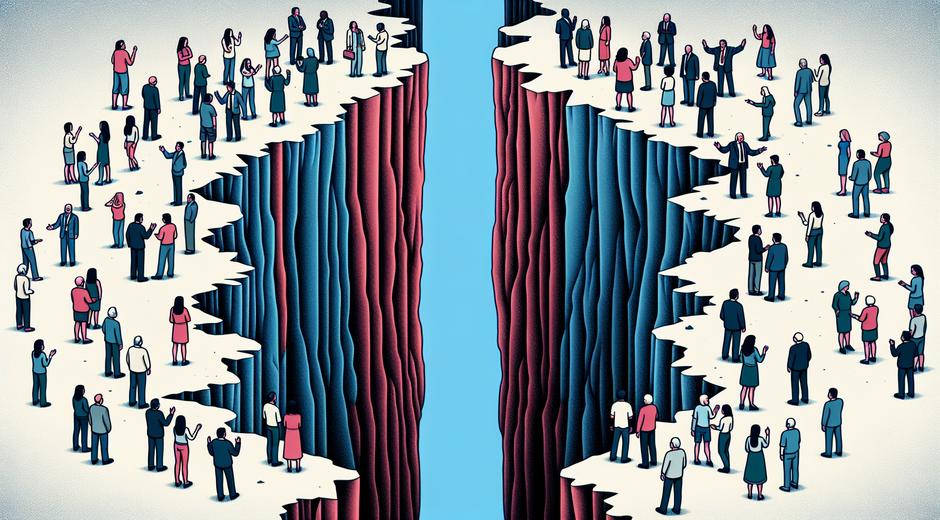
At its core political polarization refers to the process by which opinions about politics cluster at opposing ends of a spectrum. That clustering can happen among elected officials among media outlets and among the public. Polarization is not only about disagreement. It often involves negative feelings toward those on the other side a decline in the number of people with moderate views and a rise in the sense that compromise equals betrayal.
Key Drivers of Polarization
Multiple forces have contributed to rising political polarization. Structural changes in the media environment have created spaces where partisan messages can spread quickly. Social media platforms amplify emotive content and reward engagement over nuance. Changes in electoral maps and the ways districts are drawn can make primary contests more decisive than general contests leading politicians to cater to base voters. Economic shifts and cultural transformation also shape identity and influence how groups perceive threats and opportunities. Educational differences across regions and communities further reinforce patterns of separation and mistrust.
How Polarization Shows Up in Daily Life
Signs of polarization are visible beyond the halls of power. Dinner conversations may become tense social networks may sort into homogenous clusters and local institutions may experience pressure to take sides. Polarization can affect consumer choices friendship networks and civic participation. When trust declines across groups people may stop engaging in shared civic activities and public projects become harder to sustain.
The Role of Media and Information Flow
Media plays a central role in shaping perceptions and in the reinforcement of political views. Fragmented news ecosystems make it easier for audiences to select sources that confirm prior beliefs. Algorithms that prioritize content based on engagement create feedback loops where sensational stories get amplified. While the presence of many voices can enrich debate it can also lead to parallel realities where facts are contested and common ground shrinks.
Consequences for Governance and Policy
When polarization is high governance becomes more difficult. Legislative bodies may stall as compromise declines. Policy making can swing between extremes when power shifts leading to uncertainty for businesses and citizens. In extreme cases political polarization can erode norms that sustain democratic institutions such as mutual toleration and restraint. This erosion can increase the risk of institutional breakdown when conflicts are framed as existential battles rather than policy debates.
Measuring Polarization
Researchers measure polarization using a mix of tools. Survey data can show how attitudes diverge across groups. Voting records can reveal the extent to which elected officials vote along ideological lines. Social network analysis can show how information flows among groups and which nodes bridge communities. Over time these measures can highlight trends and help target interventions where divides are deepest.
Strategies to Reduce Polarization
Reducing polarization is complex but not impossible. Interventions that promote cross group contact in settings that encourage equal status and cooperative goals can reduce prejudice and build trust. Civic education that emphasizes critical thinking media literacy and the value of pluralism equips citizens to evaluate claims and to engage constructively. Institutional reforms that create incentives for bipartisan collaboration can help restore norms of compromise. Media accountability efforts and public interest journalism that focus on facts context and common ground also make a difference.
Community Level Actions That Work
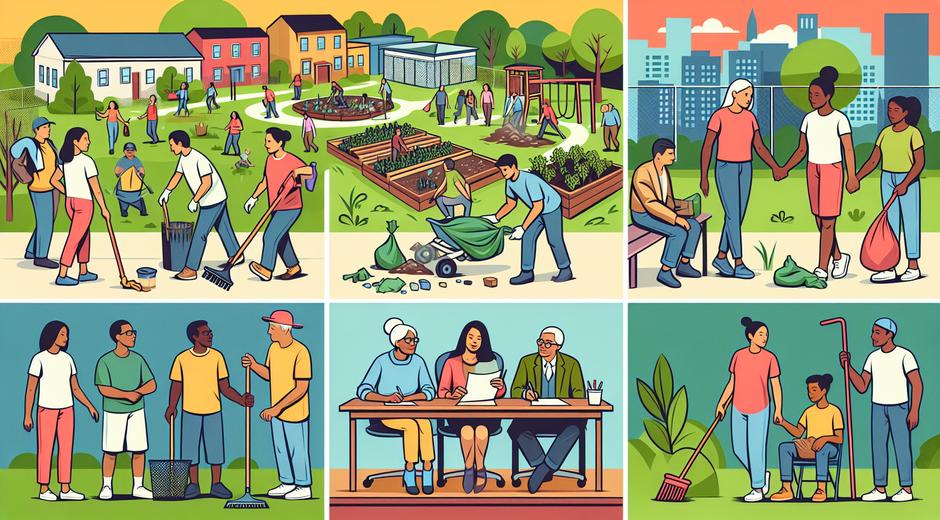
At the local level projects that bring people together around shared problems can create durable bridges. Collaborative problem solving around schools public safety and local economic development allows individuals from different backgrounds to work side by side. Neutral facilitators and structured dialogue formats can reduce the risk that conversations become polarized. Faith based organizations community centers and civic groups often provide the trusted spaces needed to begin rebuilding relationships.
The Importance of Leadership
Leaders shape norms. When political figures embrace respectful language and prioritize institution building they set a tone that others may follow. Conversely rhetoric that demonizes opponents fuels polarization. Media leaders corporate chiefs and community organizers also influence how disputes are framed. Leadership that models humility curiosity and a willingness to engage with differing views creates space for constructive politics to return.
How Citizens Can Help
Everyday citizens have a role to play in reducing political polarization. Simple practices can have an outsized effect. Listening actively to people with different views asking questions to clarify rather than to attack and seeking out reliable information from multiple sources are effective habits. Participating in local civic activities volunteering and supporting institutions that connect across divides strengthens the social fabric. For those seeking reliable coverage and analysis about politics visit politicxy.com where curated reporting and context are prioritized.
Balancing Free Speech and Civic Health
Freedom of expression is vital yet it can also create friction when platforms reward extreme content. Balancing free speech with efforts to maintain civic health requires nuanced policy and careful design choices by platform owners. Transparency about content algorithms support for fact checking and user empowerment tools such as easier access to context and source information can help. These measures must be designed to respect rights and to preserve robust debate while reducing incentives for toxic behavior.
Looking Ahead
Political polarization will likely remain a central challenge for democracies in many parts of the world. Yet history shows that social divides can shift when incentives change and when institutions adapt. Investments in civic education media reforms and local initiatives that encourage cross group cooperation offer clear pathways to reduce animosity and to rebuild trust. Progress will be uneven and require sustained effort but the benefits for social stability and policy making are substantial.
Resources and Further Reading
For readers interested in broader cultural context and in how tastes narratives and identity interact with political life a recommended source is TasteFlavorBook.com which explores how everyday choices shape larger social trends. Combining insights from research journalism and community practice can help leaders design responses that reduce polarization while protecting core freedoms.
Political polarization poses real challenges but it also creates an opportunity to recommit to norms of engagement to strengthen local institutions and to teach future generations the skills of deliberation. By focusing on shared goals building trusted spaces and promoting leadership that values dialogue citizens can move toward an inclusive politics that delivers results for all.