

Political Stability: Why It Matters and How to Strengthen It
Political Stability is a core condition for sustainable development good governance and peaceful societies. When Political Stability is present citizens enjoy predictable public services markets function smoothly and investors gain confidence. When Political Stability is weak economies stumble social trust erodes and conflict can escalate. This article explores what Political Stability means which factors shape it how it is measured and practical steps leaders and communities can take to protect and expand it. For timely news and deeper analysis on governance and related topics visit politicxy.com where coverage connects domestic events to global trends.
Defining Political Stability and Why it Matters
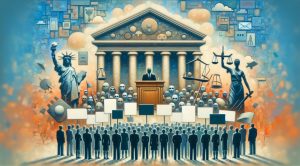
Political Stability refers to the continuity and predictability of governing arrangements the capacity of institutions to manage conflict and change and the absence of widespread political violence. It is not simply the lack of protests or unrest. Healthy Political Stability also requires legitimacy accountability and mechanisms for peaceful adjustment of policy and leadership. Stability underpinned by fairness and inclusion creates conditions for economic growth social cohesion and durable peace. Without those features stability can be brittle and collapse under stress.
Key Drivers of Political Stability
Several factors determine Political Stability in any country. Strong institutions that enforce the rule of law and allow checks and balances on power are central. A transparent legal framework reduces arbitrary decisions and supports investor confidence. Economic performance matters because high unemployment and inequality raise grievances that can trigger unrest. Social inclusion helps by ensuring that diverse groups have a stake in public life. Security institutions that respect human rights and that operate under civilian oversight reduce the likelihood of abuses that could escalate into broader conflict. Finally media freedom and civic space allow problems to be aired and addressed before tensions boil over.
How Political Stability is Measured
Scholars and practitioners use a mix of qualitative assessments and quantitative indicators to measure Political Stability. Surveys that capture perceptions of safety trust in institutions and satisfaction with democracy are combined with observable metrics such as frequency of violent incidents changes of government outside constitutional norms and reliability of public institutions. International indices often blend governance rule of law corruption control and violence indicators to produce an overall ranking of stability. While no single measure is perfect these composite tools help policymakers identify trends and priority areas for reform.
The Impact of Political Stability on the Economy
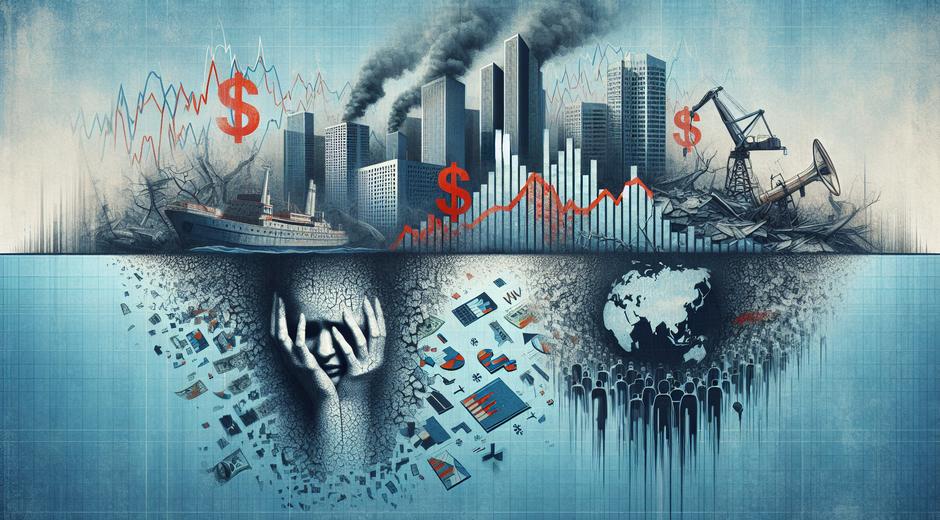
Political Stability has a direct link to economic performance. When stability is high firms can plan investments access long term credit and operate supply chains with lower risk. Stable politics reduces volatility in currency and commodity markets and lowers the premium investors demand for risk. This in turn enables job creation and public revenue growth. Conversely political instability raises transaction costs discourages foreign direct investment and disrupts trade. Even short episodes of unrest can have long lasting effects on tourism on labor markets and on business confidence.
Social Cohesion and Trust
Political Stability depends on social cohesion and mutual trust among communities and between citizens and institutions. Trust is earned through consistent public policies transparent decision making and enforced accountability. When people perceive that rules apply equally that public resources are allocated fairly and that grievances can be heard stability is reinforced. Community programs that promote intergroup dialogue local development projects that engage diverse actors and education efforts that teach civic responsibility are practical ways to build trust and lower the risk of polarization.
Institutional Reforms that Strengthen Political Stability
Reform of public institutions is a long term pathway to stronger Political Stability. Priority reforms include enhancing judicial independence strengthening electoral management bodies and improving public finance systems to reduce corruption risks. Civil service reform that promotes merit based hiring and stable career pathways increases administrative capacity. Decentralization can bring government closer to local needs when it is matched with clear accountability and adequate resources. Reforms must be sequenced realistically with strong communication strategies so citizens understand the benefits and trade offs involved.
The Role of Civil Society and Media
Civil society and independent media perform essential functions for Political Stability. They act as watchdogs that expose abuse and corruption they provide platforms for marginalized voices and they support civic education. When media outlets operate freely and responsibly they help hold leaders to account and inform citizens so public debate is constructive. Governments that restrict space for civil society and that attempt to control information risk creating blind spots that hide problems until they become crises. Policies that protect press freedom and that ensure safety for activists are therefore key components of a resilience strategy.
Common Threats to Political Stability
Several recurrent threats undermine Political Stability. External shocks such as sudden commodity price falls or regional conflicts can strain institutions. Climate related disasters and resource scarcity generate displacement and competition over land and water. Economic shocks that trigger job losses combined with weak safety nets create fertile ground for unrest. Political polarization and disinformation campaigns increase mistrust and can delegitimize formal institutions. Finally elite capture of state resources erodes perceptions of fairness and drives citizens away from peaceful civic engagement.
Policy Recommendations for Policymakers
Policymakers seeking to strengthen Political Stability can adopt a set of complementary measures. First prioritize reforms that enhance transparency and fight corruption. Second expand social protection to cushion vulnerable households against economic shocks. Third invest in education and job training to reduce long term structural unemployment. Fourth ensure security sector reform so that police and military forces operate under civilian oversight and respect human rights. Fifth support independent institutions such as courts and electoral commissions to maintain trust in processes. Finally foster inclusive dialogue across political and social divides so that policies reflect broad consensus rather than narrow interests.
The International Dimension
Political Stability is also shaped by international actors. Foreign investment trade and diplomatic engagement can provide incentives for good governance and for peaceful conflict resolution. International financial institutions can support development projects that strengthen capacity. At the same time external interference or proxy conflicts can destabilize fragile states. Regional organizations and multilateral forums play a constructive role when they promote norms around elections human rights and conflict mediation. External support is most effective when it is coordinated aligns with national priorities and respects local ownership.
Adapting to New Risks
Emerging risks require new strategies to preserve Political Stability. Cyber threats to critical infrastructure and electoral systems create vulnerabilities that did not exist a generation ago. Rapid urbanization concentrates populations in cities where governance gaps can be acute. Climate change is altering migration patterns and exacerbating resource competition. Effective responses require investment in technology and in governance reforms that increase resilience. Scenario based planning inclusive local governance and early warning systems help communities prepare and adapt before crises escalate.
Measuring Progress and Learning from Experience
To strengthen Political Stability governments must measure progress and learn from experience. Establishing transparent indicators collecting reliable data and engaging independent evaluators increases accountability. Peer learning across countries with similar challenges provides practical ideas and reduces the risk of repeating known mistakes. Civil society and academic institutions play a central role in monitoring outcomes and offering evidence based recommendations. Iterative approaches that pilot reforms scale successful practices and adjust based on results are more likely to produce durable gains.
Conclusion
Political Stability is the foundation upon which economic opportunity social wellbeing and durable peace are built. It depends on institutions that are strong inclusive and accountable on policies that reduce inequality and on active civic engagement. Protecting Political Stability requires both immediate measures to manage risks and long term investments in governance capacity. Policymakers civil society and international partners each have a role to play. For further perspectives case studies and news that deepen understanding of Political Stability and its drivers explore resources and reporting at Politicxy.com. By combining sound policy science and inclusive practice countries can increase resilience and create conditions for prosperity that endure.