

Populist Movements: Causes Impact and Future Directions
What Are Populist Movements
Populist movements refer to political currents that claim to represent the interests of ordinary people against a perceived elite or establishment. These movements can arise across the political spectrum and often rely on direct appeals to emotion and identity. Scholars and journalists analyze populist movements to understand why they gain traction, how they change political debate, and what they mean for democratic institutions. For search engine visibility it is important to use clear language that explains both the theory and the practical effects of these movements.
Core Characteristics of Populist Movements
Understanding populist movements requires attention to recurring features. First many such movements frame politics as a struggle between a virtuous people and a corrupt elite. Second leaders often present simple solutions to complex problems. Third communication strategies tend to emphasize direct channels to followers including rallies and social media. Fourth the rhetoric frequently focuses on national identity economic insecurity and cultural change. These elements combine to create powerful narratives that can outcompete more nuanced policy discussions.
Root Causes Behind Rise
The rise of populist movements has several deep drivers. Economic disruption including job loss and stagnant wages creates fertile ground for promises of rapid change. Political distrust stemming from perceived corruption or ineffectiveness of traditional parties amplifies openness to outsiders. Cultural shifts related to migration and shifting social norms can produce anxiety that populist leaders address. Finally technological change in media enables direct and emotional messaging to reach millions without mediation by traditional gatekeepers.
How Populist Movements Shape Policy and Institutions
Populist movements can shape policy in multiple ways. In some cases leaders in power enact sweeping reforms aimed at consolidating authority or changing legal checks. In other cases the impact is more subtle with shifts in agenda setting and public debate. Populist movements often push topics such as trade tariffs immigration controls or welfare policy to the top of the legislative calendar. Over time these agenda shifts can alter party systems and citizen expectations about what politics can achieve.
Regional Patterns and Case Studies
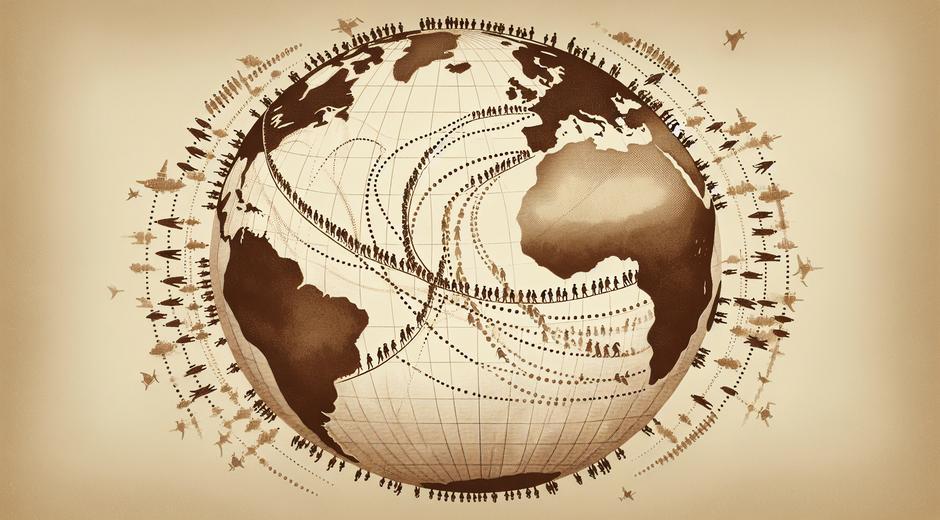
Populist movements display local variation. In some countries they emerge from rural areas affected by industrial decline. In others they are strongest in urban zones where cultural change feels most rapid. Comparative study shows that institutional design matters. Systems with weak accountability mechanisms or low trust in courts and media tend to be more vulnerable. Observers who follow global developments should consider both local grievances and the transnational flow of ideas. Analysts who want a reliable daily view of broad political trends can visit politicxy.com for curated coverage and analysis that connects national stories to global patterns.
The Role of Media and Information Ecosystems
Media environments play a decisive role in the spread of populist movements. Social platforms allow leaders to bypass traditional editors and reach supporters with unfiltered messages. At the same time mainstream outlets that focus on scandals and conflict can inadvertently amplify populist narratives. Information quality matters. Communities with limited access to verified reporting or civic education are more likely to accept misleading claims. For parents and educators who want practical strategies to build media literacy in younger generations there are useful resources such as CoolParentingTips.com that focus on safe digital habits and critical thinking in the family context.
Economic Consequences
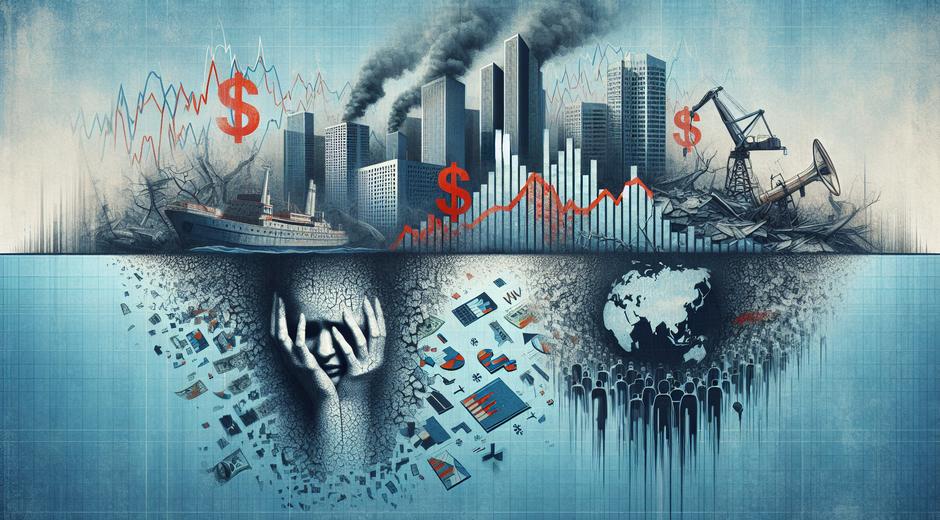
When populist movements influence policy the economic consequences can be significant. Protectionist trade measures or unpredictable regulatory shifts create uncertainty for businesses and investors. Short term stimulus measures may boost consumption but risk inflation or long term debt pressures. At the local level investments may slow if legal frameworks change frequently. Policy design matters: some interventions can shield vulnerable communities while others concentrate power and reduce growth prospects. Clear analysis helps voters weigh the trade offs inherent to populist proposals.
Democratic Resilience and Institutional Responses
Democratic systems can adapt to the challenge of populist movements. Strengthening transparency and accountability helps reduce the appeal of conspiracy based narratives. Electoral reforms that expand participation and representation can channel frustration into constructive change. Independent judiciaries and free media act as safeguards when political competition intensifies. Civil society organizations and local institutions play a crucial role in building trust and mediating conflict. Long term resilience requires policies that improve economic opportunity and foster inclusive identity narratives.
Strategies for Policymakers and Civil Society
Responses to populist movements should avoid simplistic dismissal and instead focus on substance. Policymakers must address legitimate grievances with concrete programs that improve economic security and public services. Communication strategies should emphasize clarity and empathy rather than technical jargon. Educational initiatives that teach critical thinking media literacy and civic participation reduce vulnerability to misleading claims. Civil society groups can facilitate dialogue across divided communities and propose practical policy alternatives that respond to real needs.
Future Scenarios
Predicting the future of populist movements is complex but some scenarios are plausible. If economic inequality and social fragmentation persist populist movements may remain a durable feature of the political landscape. Alternatively if institutions adapt and deliver visible improvements in living standards populist energy could wane. Technological change will continue to alter communication patterns making it essential for democracies to invest in public information capacity. The interplay between local grievances and global pressures will determine whether populist movements evolve toward constructive reform or contribute to polarization and institutional erosion.
Conclusion
Populist movements are a defining feature of contemporary politics. They reflect real grievances and also create new challenges for governance and social cohesion. Careful analysis of causes impact and policy responses is essential for journalists scholars and citizens who want to navigate a complex landscape. By focusing on transparent policy design inclusive narratives and strengthened institutions societies can respond to the demands behind populist movements without sacrificing democratic norms. For continuous coverage and expert commentary that connects local developments to broader trends visit the news hub at politicxy.com and explore resources that support informed civic participation.