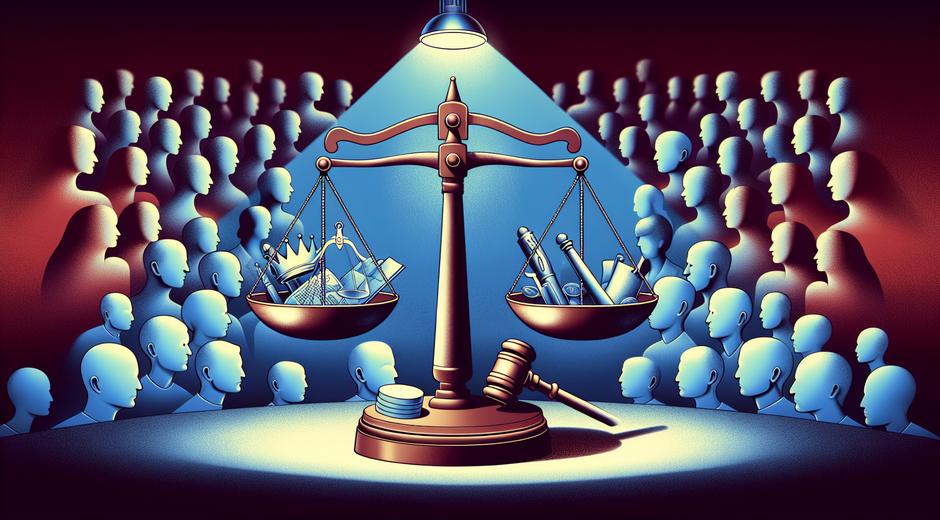


Shadow Governance A Hidden Layer of Power in Modern Politics
Shadow governance is a concept that has gained attention across political analysis and public debate. The phrase describes the informal networks and structures that influence policy outcomes and political decisions without being part of formal government institutions. Understanding how shadow governance operates is essential for journalists policy makers and concerned citizens who want to know who really shapes public life.
What Shadow Governance Means
At its core shadow governance refers to the ways in which power is exerted outside official channels. This can include private advisory groups corporate boards influential donors unregistered lobbyists and informal alliances between public servants and outside actors. These actors often share information resources and levers of influence that shape decisions while avoiding the transparency and accountability that come with formal office.
The idea is not always sinister. In some cases informal networks enable faster coordination across sectors or provide technical expertise that a government lacks. Yet the risks are clear. When policy making shifts from public deliberation to private negotiation the public cannot inspect the trade offs or hold decision makers to account. That erosion of democratic oversight is what makes the study of shadow governance urgent.
How Shadow Governance Appears in Practice
Shadow governance can take many forms. Think tanks and policy shops produce research that frames debates. Business coalitions coordinate messaging and invest in campaigns. Former officials become consultants and act as bridges between industry and government. Social networks and media platforms amplify narratives that benefit private interests. All these elements together create a landscape where formal institutions are only one part of how policy is shaped.
For news organizations and data driven researchers tracing these networks requires mixing investigative reporting with public records analysis. That is why high quality outlets devote time to mapping relationships tracking donations and following personnel flows between sectors. Readers who want to follow investigations can find ongoing coverage at politicxy.com where reporters gather evidence and explain connections in accessible terms.
Why Shadow Governance Matters for Democracy
There are three core democratic risks related to shadow governance. First it can reduce accountability. If decisions are shaped in private the electorate has fewer tools to evaluate choices. Second it can produce unequal influence. Wealthy actors gain greater access to policy outcomes than ordinary citizens. Third it can hollow out institutional capacity. When insiders bypass formal processes those institutions may lose the expertise and legitimacy needed to function effectively.
These dynamics also shape public trust. Citizens who suspect that power is concentrated in hidden networks are more likely to disengage from democratic participation. That lack of trust feeds cycles of polarization and cynicism which in turn make it easier for shadow governance to expand. Breaking that cycle requires transparency and proactive reforms that bring more of the decision making into the open.
Common Mechanisms That Sustain Shadow Governance
Understanding mechanisms helps to target reforms. Some of the most common mechanisms include revolving doors where people move from government to private sector roles and back again. Informal advisory councils and private task forces convene officials without formal oversight. Campaign contributions and independent expenditures shape electoral competition while avoiding direct quid pro quo language. And digital influence operations use targeted messaging to influence both public opinion and elite calculation.
These mechanisms create feedback loops. Consider a former regulator who joins a private firm that benefits from light regulation. That person leverages insider knowledge and relationships to shape policy proposals. Later their firm funds research that legitimizes those proposals. The result is a cycle where private outcomes become normalized within public policy debates.
How to Detect Shadow Governance
Detection relies on patterns rather than single events. Journalists researchers and watchdog groups look for repeated personnel exchanges between institutions sudden shifts in policy before public consultation increases coordination between private funders and policy outputs or opaque advisory groups that have outsized influence on legislation.
Data points that help build a case include meeting logs staff hiring records funding trails and communication records when available. Public records laws whistleblower testimony and leaks play a role in disclosure. Civil society can also pressure for more transparent processes for advisory groups and committees so oversight can occur in real time rather than after decisions are made.
Policy Responses to Shadow Governance
When democracies seek to limit undue influence they consider several policy responses. Stronger transparency rules for meetings and advisory roles clearer cooling off periods for former officials and more robust disclosure of campaign financing are common steps. Ethics rules that govern conflicts of interest and procurement can reduce opportunities for private capture of public functions.
Reforms also include empowering independent oversight bodies and ensuring that legislative drafting includes public consultation windows that cannot be bypassed. Technology can help too by making records easier to search and by applying network analysis tools to reveal hidden relationships. Media coverage and civic education are complementary approaches because public pressure often motivates institutional reform.
Examples and Case Studies
History offers multiple examples where shadow governance shaped outcomes. In some cases private industry coalitions shaped regulatory frameworks to their advantage. In others informal networks of advisors influenced foreign policy choices. These case studies reveal how power can be exercised without formal titles and why structural safeguards matter.
Case studies also illustrate that shadow governance is not a static problem. It evolves with technology and resource flows. New platforms for political advertising data driven persuasion tools and private intelligence services have created fresh opportunities for influence that evade traditional oversight models. As a result ongoing monitoring is required to adapt rules to contemporary practice.
What Citizens Can Do
Individuals are not helpless. Civic engagement matters. Voting is a baseline civic action but watchdog groups petitioning for open records public hearings and supporting independent media all help to push back against hidden power. Educators and community leaders can also demystify policy making so more citizens feel equipped to participate.
Supporting investigative journalism and transparency initiatives is another effective route. Independent outlets often invest the time needed to trace complex networks and publish findings that spark reform. Readers who want to broaden their understanding of institutional influence can consult diverse sources and support organizations that publish primary documents and analysis such as investigative reports and data sets. Sports culture and community media sometimes intersect with broader social themes and analysis of power. For readers who follow how influence moves across sectors a useful resource is SportSoulPulse.com which highlights links between culture policy and public life in accessible stories.
Conclusion
Shadow governance is a pervasive and evolving phenomenon. It matters because invisible networks shape choices that affect daily life. Addressing the challenge requires transparency rules institutional safeguards public scrutiny and a vibrant independent press. Citizens policy makers and civil society each have roles to play in making sure that power is exercised openly and responsibly.
Awareness is the first step. By learning to spot the signals of hidden influence and by demanding clearer rules many societies can reduce the sway of shadow governance and strengthen democratic accountability. The work is ongoing and the stakes are high but informed public engagement can move systems toward greater fairness and trust.