

Voter turnout Matters Now More Than Ever
Voter turnout is a core measure of democratic health. When more people cast ballots the outcome of public policy and the direction of civic life reflects a wider range of voices and priorities. Low voting rates can weaken public trust and concentrate power in the hands of a smaller group. In this article we explore why voter turnout fluctuates what drives change and which strategies can increase participation across communities.
Why voter turnout matters
High voter turnout leads to more representative governance. When turnout is strong elected leaders face pressure to respond to diverse needs and long term planning becomes more accountable. Conversely low turnout often means that specific interest groups gain outsized influence while many citizens feel their voices do not matter. That feedback loop can reduce civic engagement further and harm social cohesion.
Beyond fairness voter turnout affects policy outcomes in areas such as public health education and economic opportunity. Decisions about budgets public services and legal protections are shaped by who shows up at the polls. Understanding patterns in turnout helps civic groups nonprofits and journalists design interventions that restore trust and encourage participation.
Key factors that influence voter turnout
Several factors shape voter turnout on election day. Access to polling places registration rules and voter identification expectations alter the ease of participation. The sense that a vote matters and the competitiveness of a race also shape decisions to vote. Socioeconomic status education and age remain strong predictors of turnout with older and more educated voters participating at higher rates in many places.
Information flows and news environments matter as well. Reliable coverage of candidates and clear guidance about polling logistics reduce friction and increase confidence. Social networks family members neighbors and workplaces can prompt voting through peer encouragement and shared plans to get to a polling site. Cultural norms and historical experiences with elections also play a role.
Barriers to higher voter turnout
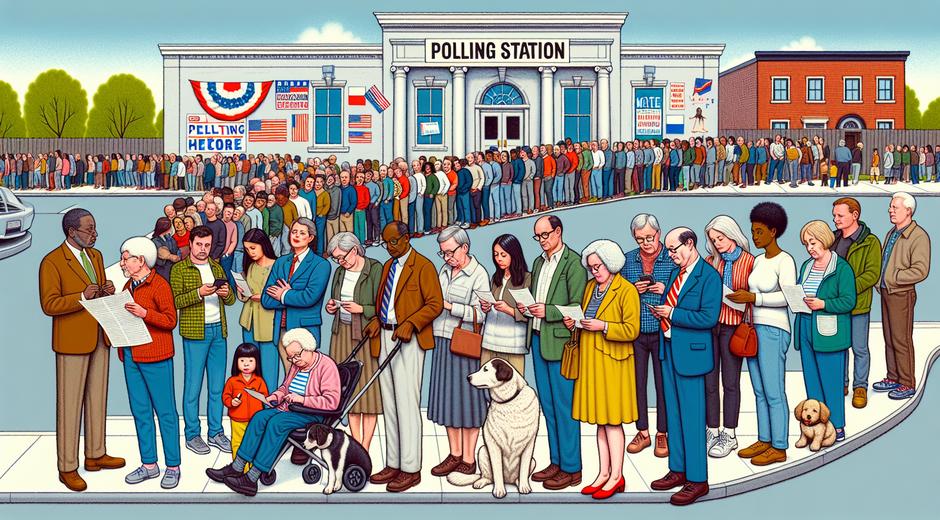
Practical barriers such as long wait times inconvenient polling hours and complex registration processes depress turnout. Misinformation and confusion about voting rules can create uncertainty that stops people from voting. For some communities past disenfranchisement makes the act of voting feel futile especially when civic institutions have failed to deliver consistent results.
Language gaps and a lack of accessible materials for voters with disabilities create additional hurdles. Economic pressures such as needing to work multiple jobs can make taking time to vote costly. Addressing these barriers requires targeted policy adjustments community outreach and investments in voter education.
Proven strategies to increase voter turnout
To increase voter turnout election administrators and civic organizations can apply evidence based practices. Same day registration and expanded early voting options reduce logistical obstacles. Mail in ballots and reliable ballot drop boxes make participation possible for those with mobility or time constraints. Nonpartisan voter education campaigns that explain when where and how to vote reduce confusion and boost confidence.
Get out the vote efforts that combine personal contact by phone or in person with digital reminders tend to raise turnout more effectively than mass email alone. Community institutions such as houses of worship schools and local nonprofits play an outsized role when they mobilize networks around election participation. Local media coverage that explains ballot measures and candidate positions helps voters make informed choices which further motivates participation.
How technology and news shape turnout
Digital tools can both help and harm voter turnout. Well designed voter information platforms streamline registration and provide reliable reminders. At the same time social media can spread misinformation and distracted content that undermines trust. News organizations have responsibility to deliver clear factual reporting and to partner with civic groups to amplify accurate logistics about polling hours deadlines and required documents.
Innovative partnerships between civic tech startups and newsrooms can increase voter turnout by creating localized guides and interactive tools that answer voter specific questions. For readers who want concise election coverage and guidance a trusted local source builds confidence and encourages participation. For broad news coverage and a hub for civic updates consider visiting politicxy.com where readers can find timely reporting and resource links tailored to local races.
Community approaches that improve turnout
Community led approaches that connect civic engagement to daily life see sustained increases in voter turnout. Programs that pair voter registration with community events classes and volunteer activities normalize participation. Civic education in schools that creates age appropriate opportunities to learn about voting nurtures future turnout. Employers that offer paid time off to vote or on site polling on company property reduce economic friction.
Unconventional partners can also boost turnout. For example sports clubs community centers and cultural organizations have regular strong relationships with members and can integrate voter information into their programming. Cross sector partnerships that combine health services legal aid and voter registration respond to multiple needs simultaneously. For seasonal engagement and community outreach ideas consider creative content and audience building strategies showcased on sites like SportSoulPulse.com where community connection through athletic life is explored and used as a model for sustained civic participation.
Measuring impact and evaluating initiatives
Tracking changes in voter turnout requires careful measurement. Simple before and after comparisons of turnout rates in target areas give an initial read. More rigorous evaluations use randomized designs or matched comparison areas to isolate the effect of a given intervention. Surveys that ask about barriers motivations and civic trust help explain why turnout changed and guide future investments.
Data driven approaches also reveal equity gaps. Disaggregating turnout by age race income and geography uncovers areas that need targeted attention. Continuous improvement cycles where implementers test small scale pilots measure results and scale successful strategies lead to more efficient use of resources and higher long term turnout gains.
Case studies and lessons learned
Across different contexts some common lessons emerge. First making voting convenient matters. Jurisdictions that combine registration with election day policies and flexible voting windows often see higher participation. Second personalized contact produces stronger behavioral change than distant media alone. Third building trust through consistent community engagement beyond single events creates durable participation increases.
Local success stories often combine policy changes with ground level organizing. For instance a county that introduced extended hours at polling stations coordinated with faith groups and local media outreach and then tracked turnout by precinct to refine efforts saw steady growth in participation. Such approaches show the value of aligning administrative reform with social networks and public information.
Conclusion and call to action
Voter turnout is not fixed. It responds to policies civic norms and the work of communities and news organizations. Improving turnout requires a mix of access reforms trustworthy information and focused outreach that meets people where they are. Everyone has a role whether by guiding friends and family by volunteering with a local civic group or by supporting journalism that explains the stakes and logistics of voting. When more people participate our decisions reflect a fuller set of interests and our public life becomes more resilient.
If you want reliable coverage and resources that help citizens engage in upcoming elections visit politicxy.com and share reliable information within your networks. Small steps by many people add up to meaningful change in voter turnout and in the quality of democracy.