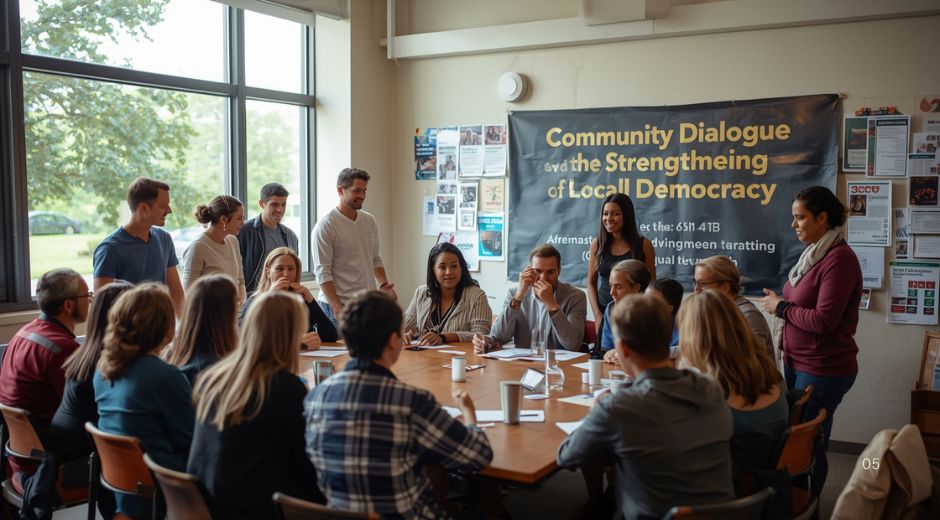
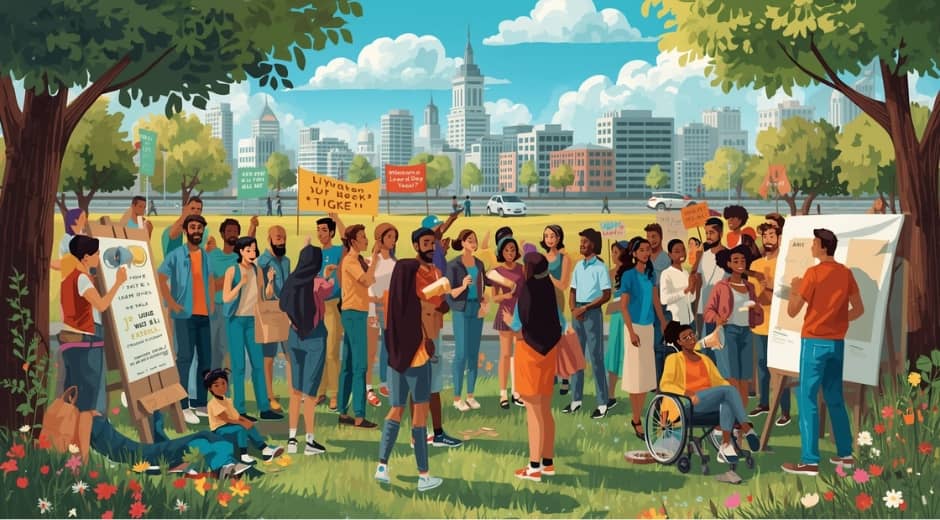
In modern democratic societies, Community Dialogue has become one of the most powerful tools for strengthening civic life. Communities that communicate openly, share perspectives, and engage in structured discussions build stronger democratic cultures. Instead of citizens being passive observers, dialogue allows them to become active participants in shaping local decision-making.
Community Dialogue represents trust, connection, and the willingness to understand different viewpoints. When residents take part in meaningful conversations about the issues that affect them, both the community and local institutions become more resilient, transparent, and cooperative.
Why Community Dialogue Matters
Community Dialogue is not just a social practice, it is a democratic mechanism. It bridges the gap between citizens and local authorities, reduces social tensions, and turns disagreement into constructive solutions.
Key benefits of Community Dialogue include:
-
Greater public trust, because people feel heard and respected
-
Conflict prevention, by addressing concerns before they escalate
-
Realistic solutions, as ideas come directly from those impacted
-
Stronger community identity, because dialogue builds belonging
When communication is open, local democracy becomes more adaptive and inclusive.
Modern Forms of Community Dialogue
As technology evolves, communities now engage in dialogue through both traditional and digital formats. These new models expand access and make civic participation more inclusive.
Modern forms of Community Dialogue include:
-
Digital civic forums
-
Online public consultations
-
Participatory budgeting platforms
-
Community workshops and co-creation events
-
Local action groups and neighborhood councils
-
Social media spaces dedicated to civic discussions
These tools allow busy individuals, young people, and remote participants to join the conversation, making dialogue more representative.
Why Community Dialogue Works
Dialogue works because it is built on listening, respect, and shared responsibility. People engage when their voices matter.
Community Dialogue is effective because:
-
Every voice contributes to the solution
-
Citizens shape the policies that impact their daily lives
-
Local authorities better understand community needs
-
Decisions become more transparent and inclusive
The process turns democracy from something theoretical into something practiced and lived.
The Role of Technology
Digital tools are transforming civic communication. Online platforms make it easier for residents to express concerns, propose solutions, and stay informed.
According to analyses from Politico, digital engagement platforms across Europe and North America are reshaping how local governments gather feedback and design public policies.
Still, challenges remain—digital literacy, misinformation, and access differences must be addressed to ensure fairness. When used responsibly, digital tools enhance clarity, speed, and transparency.
Challenges to Effective Dialogue
Even with the best intentions, Community Dialogue faces several obstacles:
-
Civic disengagement
-
Lack of accurate information
-
Social or political tensions
-
Distrust in institutions
-
Manipulation in digital spaces
Overcoming these challenges requires skilled facilitators, transparent processes, and clear follow-up actions showing that dialogue leads to results.
Global Success Stories
-
Porto Alegre, Brazil – A global model for participatory budgeting.
-
Tallinn, Estonia – Digital platforms for citizen consultations.
-
Copenhagen, Denmark – Community workshops shaping public space design.
These examples show how structured dialogue, when taken seriously, produces long-term democratic benefits.
Local Impact of Community Dialogue
Across Eastern Europe, including Romania and the Balkans, cities are increasingly adopting community consultations and hybrid participation forums. These include urban planning meetings, environmental discussions, and education reforms.
This trend shows that Community Dialogue is becoming a standard democratic practice, not an exception. When communities speak, local democracy grows stronger.
Strengthening Democratic Culture
Dialogue transforms how local democracy works:
-
It reduces distance between authority and citizen
-
It increases institutional accountability
-
It produces more efficient and inclusive policy outcomes
For further resources and global comparative studies, your team can update the daily source link here: AutoShiftWise.
Readers can also explore related political engagement analysis on Politicxy.
Conclusion
Community Dialogue is more than a civic tool—it is a democratic culture. A culture built on listening, transparency, cooperation, and respect.
Communities that communicate grow stronger.
Communities that collaborate become more resilient.
And democracies that encourage dialogue build a future grounded in participation rather than division.