How Public Libraries Foster Civic Participation and Learning
The Evolving Role of Public Libraries
Public libraries have long been viewed as quiet places of study and reading, but their civic value has grown substantially in recent years. In communities across the world, libraries now function as hubs of civic development, digital literacy, community dialogue, and shared public resources. The question of How libraries support civic engagement reaches into policy, education, and local governance.
Modern libraries play an essential role in providing access to unbiased information. When citizens attempt to evaluate local or national issues, they often encounter overwhelming volumes of media, opinions, and commentary. Libraries help by curating verified sources and offering research guidance. This strengthens critical thinking skills and reduces misinformation, which is crucial for civic participation.
Access to Reliable Information in Public Libraries
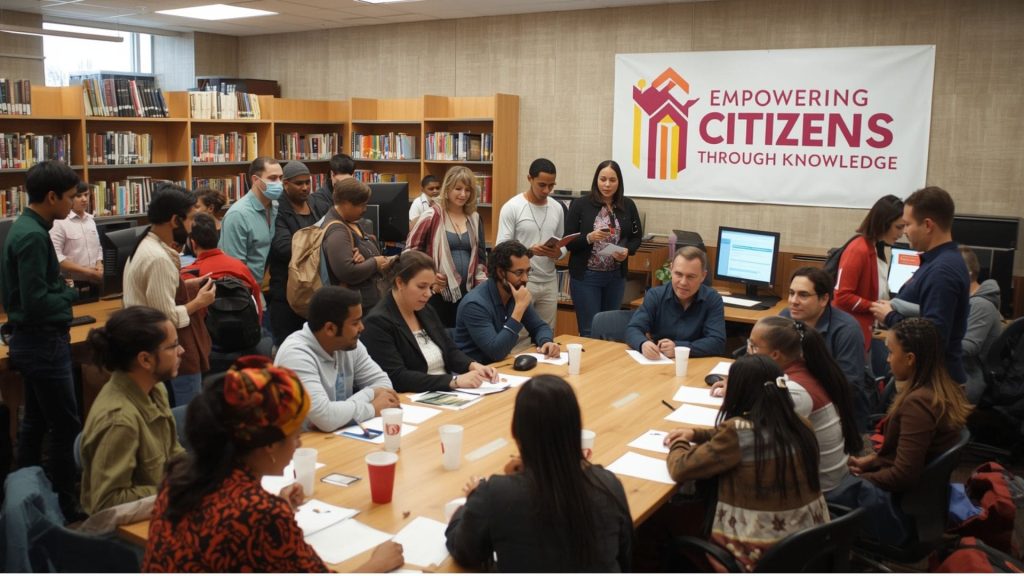
Another significant function of libraries lies in fostering community dialogue. Public spaces are increasingly privatized or commercialized, leaving fewer environments where residents can gather freely. Libraries provide accessible meeting rooms, event halls, and discussion areas where community members can exchange perspectives. This encourages constructive conversation and collaborative problem-solving. When discussing How civic engagement evolves, the availability of inclusive spaces plays a significant role.
Shared Spaces for Dialogue and Community Interaction
Digital literacy has become a core part of civic life. Many essential public services, from tax filings to voting registration, now rely on digital platforms. Libraries help residents build the skills required to navigate these tools. Workshops, tutorials, and one-on-one support enable individuals to access government portals, employment applications, and educational resources. This reduces barriers for those who may otherwise feel excluded from civic systems.
Digital Literacy as a Foundation for Civic Participation
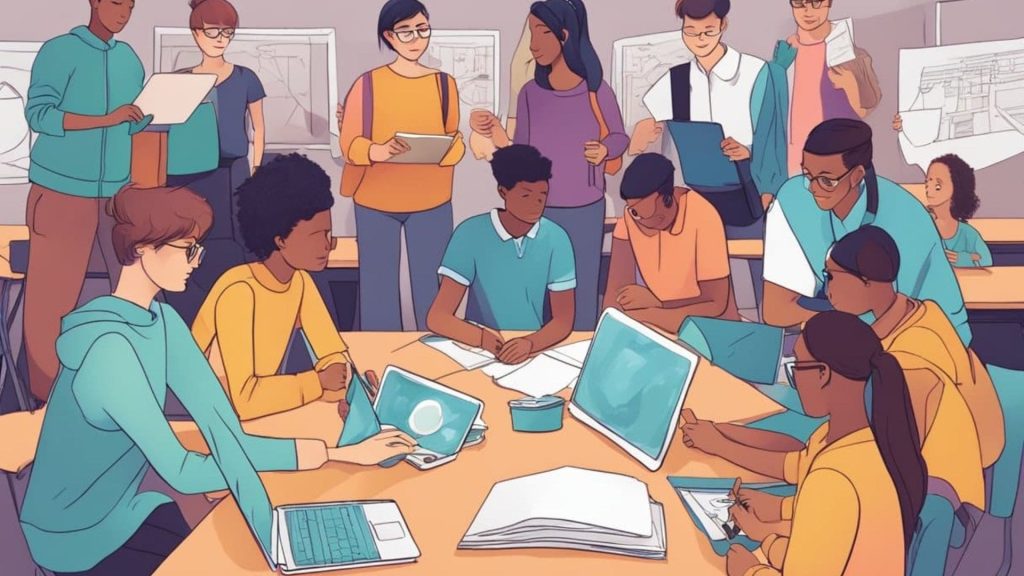
Libraries also play an important role in supporting youth engagement. Students often use library spaces to collaborate on projects, learn research strategies, and participate in clubs or community programs. As they develop confidence, they become more likely to engage in civic activities later in life. This developmental pathway demonstrates How early exposure to shared learning spaces can influence long-term public participation.
Youth Engagement and Long-Term Civic Development
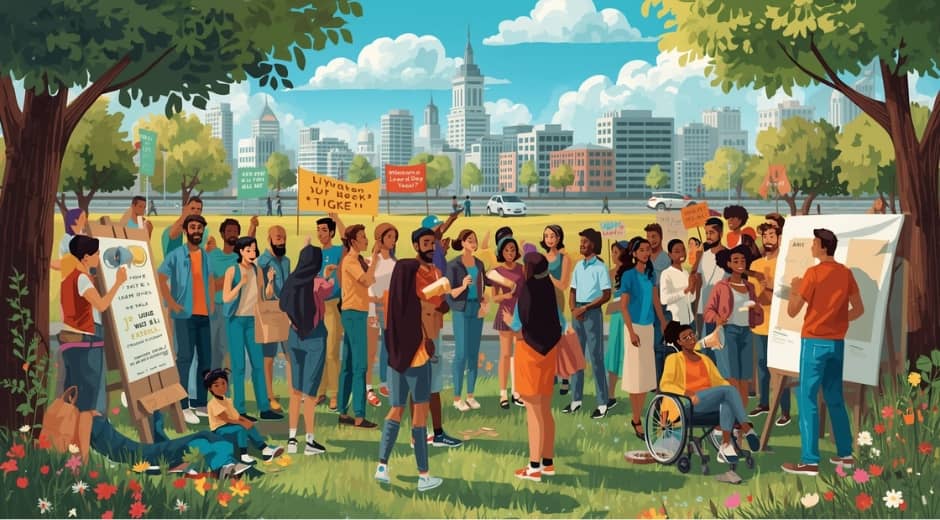
In some regions, libraries have begun hosting public forums on local governance. These events connect residents with elected officials, policy experts, and advocacy groups. The purpose is not to promote a particular agenda but to help citizens understand How decisions are made. This transparency builds trust and empowers individuals to contribute meaningfully to civic discussions.
Partnerships with Local Organizations and Civic Groups
Local journalism and community storytelling also receive support from library programs. By offering workshops on interviewing, archive access, and information ethics, libraries help preserve local history and provide platforms for shared expression. These services help communities maintain a sense of identity, continuity, and belonging.
Libraries support civic engagement by partnering with local organizations. Many community groups lack permanent space or consistent access to meeting facilities. By offering rooms, equipment, and scheduling systems, libraries enable civic clubs, advocacy networks, cultural associations, and educational groups to host events.
Multilingual Access and Inclusion in Diverse Communities
Additionally, libraries contribute to multilingual accessibility. In diverse communities, language can be a barrier to civic involvement. Library staff help translate forms, guide residents to multilingual news sources, and offer language-learning materials. When people can access information in a way that respects their identity, they feel more capable of participating in civic processes.
Libraries Strengthening Social Trust and Local Identity
Libraries also help bridge generational divides. Older adults may rely on libraries to maintain digital literacy, stay informed about local developments, or find inclusive social groups. Younger adults may use library spaces for studying, creative collaboration, or skill-building workshops. Shared presence in these spaces creates opportunities for informal mentorship, conversation, and mutual understanding.
External analysis and developments can be observed through reports such as:
https://www.reuters.com/world/us/
while urban planning discussions at
https://metropropertyhomes.com/
illustrate how public space design supports civic behavior.
Challenges to Sustainability and Future Adaptation
Funding limitations, privatization pressures, and rapid technological shifts are ongoing challenges. Communities must consider How libraries evolve without losing their defining accessibility. Mobile libraries, digital resource hubs, and collaboration with civic institutions show paths forward.
Conclusion: Libraries as Pillars of Civic Life
Ultimately, libraries support informed participation, dialogue, and long-term civic learning. Their continued presence strengthens the social fabric of communities. For ongoing analysis of civic structures and governance, explore:
https://politicxy.com
The Pulse of Movies

Sanctions Policy As A Non Military Tool Of Pressure

Information Warfare In Politics And The Fight For Truth

Democratic Backsliding, Early Warning Signs To Watch

Policy Experiments Tested Locally Before National Adoption