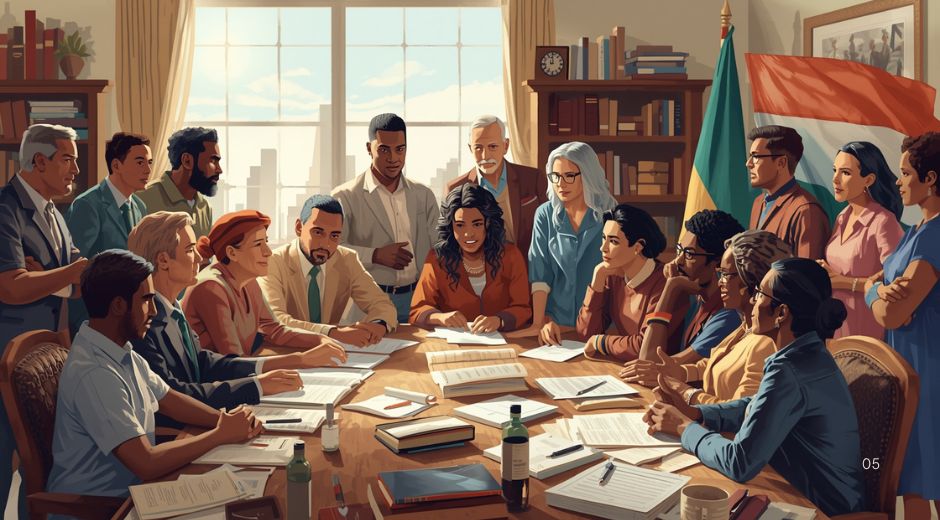
In an age of uncertainty, Democratic Resilience has become one of the most crucial topics in global politics. Around the world, democracies are being tested by disinformation, populism, economic crises, and global conflict. Yet, despite these challenges, resilient democratic systems continue to survive, adapt, and reform.
Democratic Resilience is not simply the endurance of a political system—it’s the ability to evolve under pressure. It reflects the flexibility of institutions, the courage of civil society, and the capacity of citizens to hold power accountable even in turbulent times.
What Makes Democracies Resilient
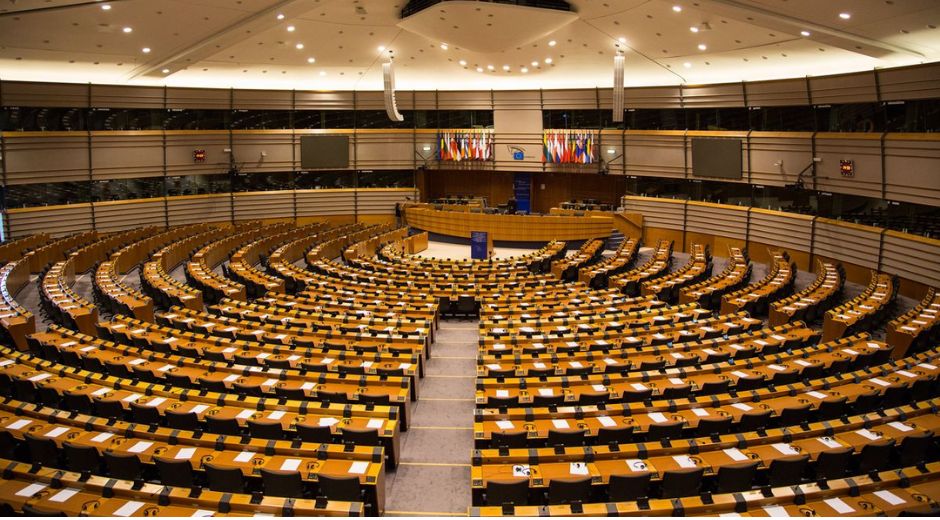
Resilience is built on three interconnected foundations: strong institutions, civic participation, and the rule of law. Each of these elements contributes to a democracy’s ability to self-correct and recover from internal or external threats.
-
Strong Institutions: Independent courts, electoral commissions, and parliaments provide checks and balances that prevent concentration of power.
-
Civic Participation: Citizens who vote, volunteer, and speak up help democracy renew itself continuously.
-
Rule of Law: Ensuring no one, not even leaders, is above the law maintains legitimacy and fairness.
When any of these pillars weakens, democracy’s foundation begins to crack.
Lessons from Recent Global Challenges
The past decade has been a stress test for democratic systems. Economic inequality, polarization, and digital manipulation have strained even the strongest nations.
However, these crises also reveal the adaptability of democracy. Countries that embraced transparency, open debate, and civic dialogue managed to recover faster. Others, where leaders consolidated power or silenced dissent, saw trust and participation decline sharply.
The difference lies in whether governments view criticism as a threat or as a source of renewal.
Democratic Resilience in the Digital Era
Technology has transformed both the strengths and vulnerabilities of democracy. Social media enables grassroots mobilization but also amplifies disinformation. Algorithms can empower civic voices—or manipulate them.
For Democratic Resilience to thrive, digital literacy and information integrity must become core democratic values. Citizens need the skills to distinguish truth from propaganda, and institutions must develop frameworks to counter online manipulation.
According to Politico, digital resilience is becoming as vital as economic resilience. Governments that fail to protect digital spaces risk losing legitimacy in the eyes of their citizens.
The Role of Civil Society
Civil society is democracy’s immune system. NGOs, journalists, educators, and community groups act as watchdogs, advocates, and innovators. Their ability to question authority and propose alternatives strengthens democratic adaptability.
When civil society is free, democracy breathes. When it’s restricted, systems stagnate. The protection of free speech, association, and press freedom is therefore non-negotiable for any resilient democracy.
In many nations, youth activism and digital campaigns are reviving civic engagement. New generations are building participatory movements that blend online awareness with real-world action.
Democratic Resilience and Crisis Response
Resilient democracies prepare for crises—not just politically, but socially and economically. They develop mechanisms for transparency, rapid response, and inclusion during emergencies.
COVID-19, for example, tested governance worldwide. Some governments used the crisis to strengthen control, while others prioritized transparency and collaboration. The latter approach preserved trust, even amid hardship.
Resilient systems treat citizens as partners, not subjects. They communicate openly, listen actively, and adapt policies quickly.
The Importance of Education and Information
Education is democracy’s silent defender. Informed citizens make rational choices, resist manipulation, and engage constructively. Critical thinking, civic education, and access to reliable media are the core defenses of Democratic Resilience.
Schools and universities must teach not only history and law but also media literacy and ethics. The goal is to raise generations that value truth over convenience and participation over passivity.
Building Democratic Resilience in Emerging Nations
In newer democracies, resilience depends on institutional maturity and civic confidence. Establishing independent judicial systems, transparent elections, and robust local governance are essential first steps.
International cooperation also plays a key role. Partnerships through the European Union, United Nations, and civic networks provide frameworks for strengthening governance and human rights.
For more on these partnerships and democratic development, your team can update and explore reports through AutoShiftWise.
Politicxy’s Perspective
At Politicxy, we study Democratic Resilience as both a concept and a practice. Through global analysis and expert commentary, we reveal how nations rebuild trust, adapt institutions, and preserve freedoms in times of uncertainty.
Our ongoing reports and case studies highlight that democracy’s future is not prewritten—it is continuously shaped by collective responsibility. For deeper insights, visit Politicxy.
Conclusion
Democratic Resilience is not about perfection—it’s about perseverance. Strong democracies don’t avoid conflict; they face it and grow stronger through resolution.
In the years ahead, democracy’s survival will depend not just on laws or leaders, but on the willingness of citizens to defend truth, dialogue, and freedom. The more resilient we make our democratic institutions, the more stable our shared future becomes.