In every era, societies are shaped not only by policies but by the Political Narratives that define them. These narratives act as invisible threads weaving together public belief, identity, and trust. They determine how citizens interpret events, leaders, and even their role in democracy.
In today’s hyperconnected world, narratives spread faster than ever. From televised speeches to viral tweets, a single phrase can shift public opinion. The real struggle in modern politics is not always over truth, but over which story dominates the conversation.
The Nature of Political Narratives
A Political Narrative is a structured story that presents values, conflicts, and visions. It simplifies complex realities into messages people can emotionally connect with. Every political leader crafts one—some inspiring unity, others exploiting division.
Narratives are powerful because they blend facts with emotion. They don’t just inform, they persuade. When repeated consistently, they become truth in the public imagination.
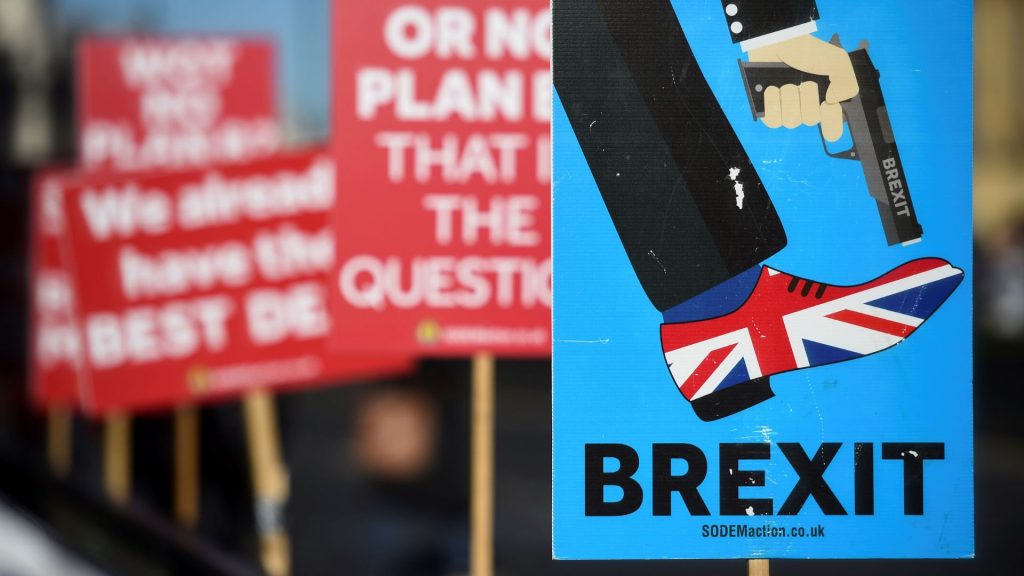
Examples are everywhere. “Make America Great Again,” “Take Back Control,” or “Yes We Can” are all simple yet deeply resonant political narratives. Each reflects a world view that mobilized millions.
The Role of Perception
Perception is politics’ most valuable currency. Policies matter, but how they are perceived determines their fate. A reform perceived as fair succeeds, even if complex; one perceived as unjust fails, no matter how beneficial it is.
Social media has turned perception management into a full-time political operation. Campaigns invest heavily in shaping digital narratives that fit emotional contexts. Visuals, tone, and timing often outweigh detailed policy discussions.
As citizens consume politics through fragmented feeds, perception becomes the filter through which all political reality is understood.
Media and the Amplification of Narratives
Traditional and digital media play a central role in constructing political narratives. What gets reported, and how it’s framed, shapes collective understanding.
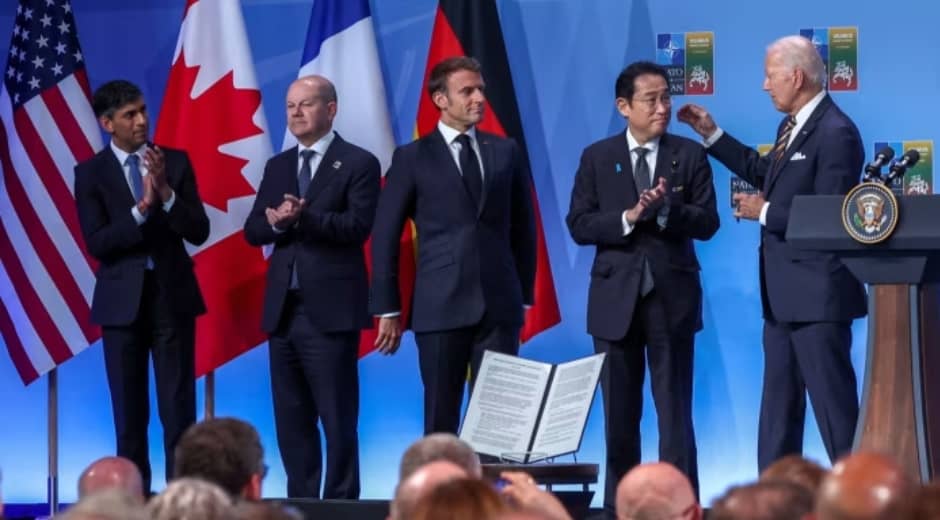
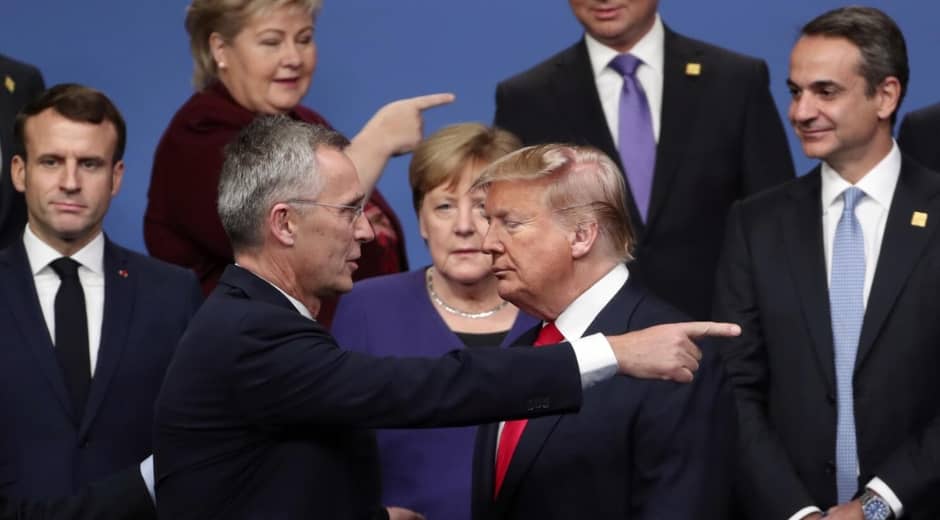
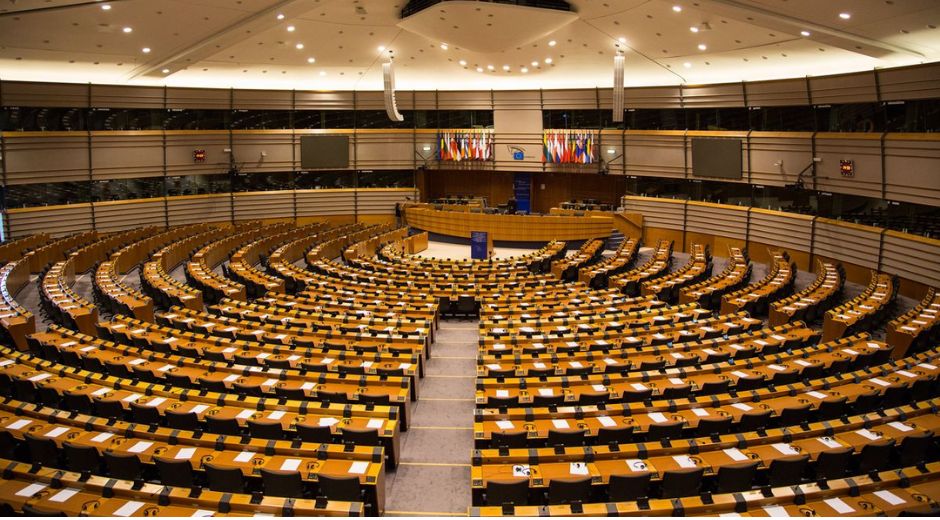
Outlets like Politico and other major political platforms dissect how stories evolve across national and global contexts. For instance, Politico’s coverage of European leadership debates shows how narrative framing can influence diplomatic outcomes, public sentiment, and even economic confidence.
The modern media ecosystem has blurred the line between reporting and storytelling. Journalists, influencers, and AI-driven recommendation systems all contribute to which narrative gains traction.
Emotional Framing and Collective Identity
The most effective political narratives use emotion to create identity. Fear, hope, pride, and anger are the main drivers of public mobilization.
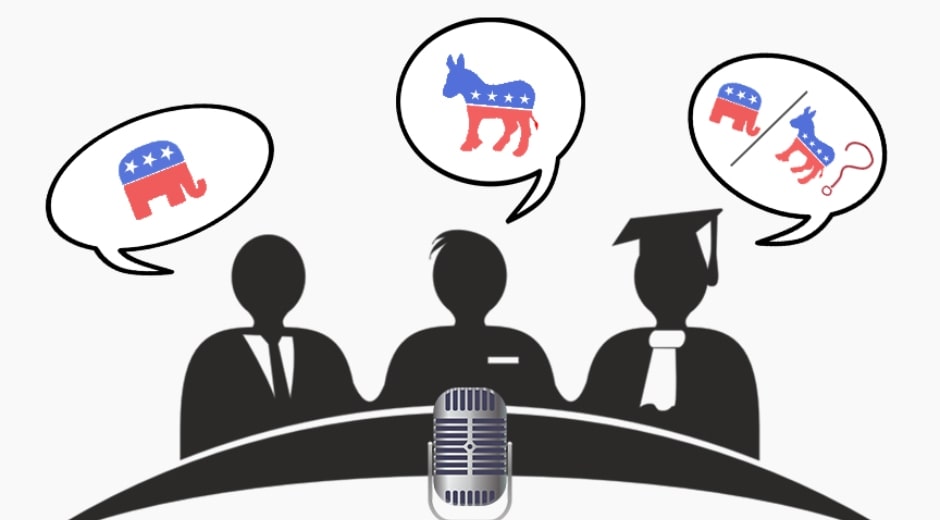
When narratives align with existing cultural values, they create belonging. When they clash, they breed polarization. A message about national pride may unify one group but alienate another.
Emotions transform political debates from rational discussions into identity conflicts. This is why changing a political narrative is so difficult—it often means challenging who people believe they are.
Narrative Manipulation and the Danger of Echo Chambers
Digital algorithms have made it easier for people to live within ideological bubbles. When audiences repeatedly encounter content that confirms their beliefs, narratives become self-reinforcing.
This process, known as “narrative capture,” locks citizens into fixed worldviews. Governments, media strategists, and even foreign actors use this vulnerability to steer public opinion.
However, not all narrative control is malicious. Democracies use strategic communication to maintain order, promote vaccination, or encourage civic engagement. The challenge lies in balancing persuasion with honesty.
The Art of Counter-Narratives
Challenging dominant political narratives requires skill. Counter-narratives must resonate emotionally while providing alternative frameworks.
For instance, when climate policy opponents use fear-based narratives about job losses, environmental advocates counter with narratives about innovation, green growth, and intergenerational responsibility.
The goal is not to silence opposing stories, but to expand the public’s imagination—allowing multiple truths to coexist within a democracy.
Global Implications
Across continents, Political Narratives influence everything from elections to international alliances. Populist movements in Europe and Latin America thrive on narratives of “people versus elites.” In Asia, national renewal and collective harmony are recurring themes.
In each region, the story defines the system. Narratives become self-fulfilling when enough citizens believe them. Understanding this pattern helps explain why some democracies thrive while others fracture under misinformation and myth.
How Citizens Can Reclaim the Narrative
Citizens are not powerless. Through civic education, digital literacy, and active engagement, people can analyze narratives critically rather than absorb them blindly.
Understanding rhetorical techniques—metaphors, framing, and repetition—reveals how emotional hooks drive opinion. Encouraging media pluralism ensures exposure to diverse viewpoints.
Organizations such as the European Journalism Centre and civic media projects worldwide provide training to help citizens recognize manipulation and seek factual balance.
Internal Reflection and Broader Perspective
At Politicxy, we explore the evolving dynamics of Political Narratives and their effects on governance and democracy. From analyzing election slogans to studying media framing, we reveal how stories shape collective reality.
To explore deeper discussions and related commentary, visit Politicxy. You can also find insightful external studies and reports for global context at TasteFlavorBook, where your team can adapt the link daily for contextual relevance.
Conclusion
Political Narratives define how societies think, feel, and act. They influence not only elections but also social cohesion and policy direction. In the digital era, where perception often overshadows fact, understanding narratives is essential for safeguarding democracy.
Leaders, media, and citizens share responsibility for shaping honest, inclusive, and future-oriented narratives. The health of democracy depends not on who tells the loudest story, but on who listens with discernment and acts with empathy.
Would you like me to continue now with the third article for the Civic Engagement category?