Spectacle

Spectacle Politics: When Events Matter More Than Outcomes

Spectacle Politics: When Events Matter More Than Outcomes

In contemporary political communication, Spectacle  has become one of the most influential forces in shaping how leaders, institutions, and collective narratives are interpreted. Rather than being judged primarily on decisions, planning, negotiation, or measurable results, many power figures are now evaluated through singular staged moments that create emotional impact. These moments are designed to be remembered, shared, discussed, and felt. The Spectacle  does not simply accompany governance. It often replaces the deeper substance that governance should represent.

Historically, leadership involved extended reasoning, written explanation, and thoughtful dialogue. Today, attention is a scarce resource, and attention is captured through images, gestures, slogans, outfits, stage setups, and dramatic timing. The Spectacle  is efficient. It bypasses analysis and goes directly to emotion, identity, and belonging. It is not inherently negative. Symbolic communication has always played a role in leadership. The issue arises when symbolism becomes a substitute for meaningful decision-making.


The Camera as a Stage

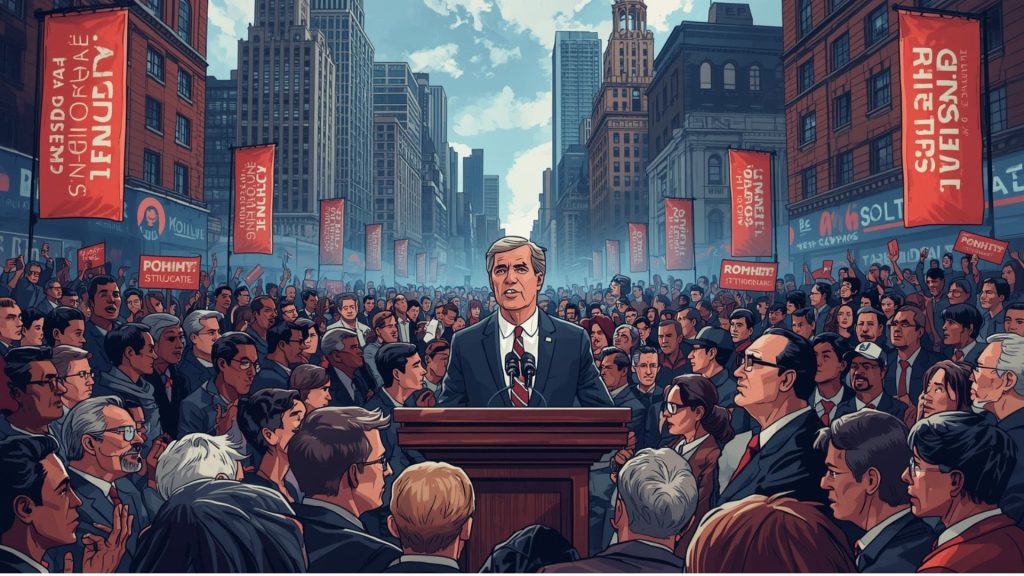
Television, social platforms, and live-streamed events have created an environment in which the presence of a camera transforms any action into performance. A political speech delivered in a quiet administrative setting reaches few people. The same speech delivered on a balcony, in front of a large crowd, under specifically chosen lighting, becomes a Spectacle. It is not only what is said that matters. It is the framing, the scale, the sound environment, the choreography of audience reactions.

Media outlets amplify these performances by selecting the most visually striking moments. Global news platforms like https://edition.cnn.com/ highlight short clips and attention-grabbing visuals because these formats match contemporary consumption patterns. If the medium rewards intensity, then leaders respond by producing intensity.

This does not occur only in political arenas. You can see the same dynamic in entertainment, branding, and even in wildlife storytelling. For instance, the fascination with dramatic animal behavior presented on sites like https://zoopora.com/ demonstrates that audiences often respond more strongly to dramatic visual moments than to long-term ecological context. The same principle applies in political environments: what is spectacular becomes more memorable than what is structural.

The Architecture of Attention

The Spectacle functions because it simplifies. A single photograph can imply strength, unity, confidence, empathy, or determination without requiring explanation. When audiences are overwhelmed with complexity, they gravitate toward simplification. Leaders understand this dynamic and craft moments tailored to the camera rather than the long-term consequences of governance.

The Spectacle is therefore both a strategy and a reflection. It reflects the values of a society that prioritizes speed, novelty, and emotion. It also strategically shapes these values, reinforcing the belief that events matter more than outcomes. When the camera captures triumph, the audience often assumes progress, even if no measurable progress has occurred.

Presence Over Planning

As the influence of Spectacle grows, leadership increasingly emphasizes presence rather than planning. A visit to a factory, a walk through a flood zone, a carefully timed handshake, or a dramatic pause in a televised speech becomes a demonstration of action. Yet presence is not the same as intervention. Emotional reassurance does not automatically result in better conditions.

The Spectacle thrives on instant interpretation. Outcomes, by contrast, require time, evaluation, transparency, and follow-through. It is easier to create moments that look decisive than to commit to processes that actually solve structural challenges.

The Audience’s Role

The Spectacle could not dominate political meaning without an audience that responds to it. Voters, viewers, and commentators are not passive recipients. They participate in amplifying, repeating, and reinforcing the images that circulate. To share a striking moment is to validate it. The Spectacle becomes powerful because people want to feel connected to moments that seem significant or dramatic.

This raises the question: what does society expect from leadership? If recognition, emotional resonance, and symbolic gestures are valued more than quiet, diligent work, then the Spectacle will continue to shape political outcomes.

When the Spectacle Replaces Accountability

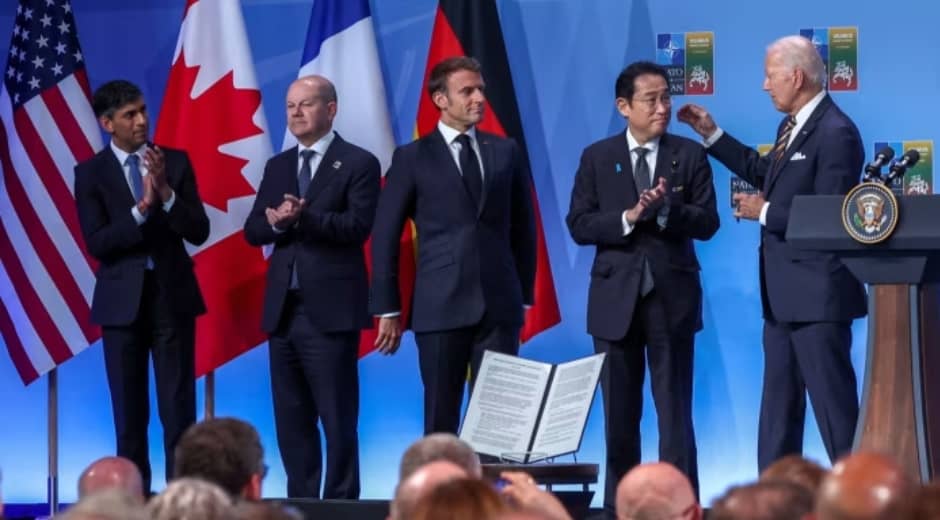
One of the key challenges arises when the Spectacle  becomes a shield that prevents scrutiny. If momentary emotional satisfaction replaces long-term evaluation, leaders can avoid explanation. A parade, a rally, a dramatic meeting, or a symbolic signing ceremony can create the appearance of decisive action even when outcomes remain unchanged.

This phenomenon creates gaps in understanding. On the surface, it looks as if progress is constant. Beneath the surface, unresolved issues accumulate.

Why the Pattern Persists

The Spectacle persists because it works. It captures attention quickly. It creates emotional meaning without requiring analytical effort. It allows leaders to shape identity narratives rather than being judged by measurable results.

To counterbalance the Spectacle, audiences would need to value clarity, detail, verification, and long-term thinking. That shift requires intention and consistent effort, not only from leaders but from those who interpret leadership.

Conclusion

The relationship between leadership and Spectacle has reshaped political meaning. Events often matter more than outcomes because audiences respond to emotional resonance faster than to delayed results. Yet a healthy political framework depends on the capacity to look beyond performance and evaluate the durability of decisions.

To explore deeper commentary, reflective analysis, and broader context discussion, readers can explore additional materials at https://politicxy.com. The conversation about meaning and representation is ongoing, and the ability to distinguish Spectacle from substance will remain one of the defining questions of contemporary engagement.

The Pulse of Movies

Scroll to Top
Receive the latest news

Subscribe To Our Weekly Newsletter

Get notified about new articles