Public

Public Consultation Mechanisms: Evaluating Impact

Public Consultation Mechanisms: Evaluating Impact

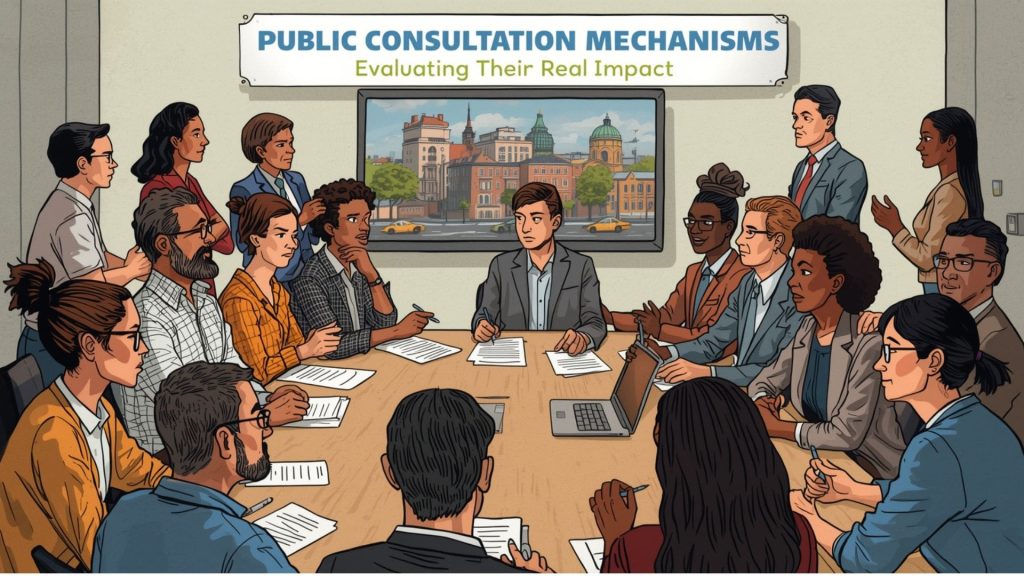
In modern governance, Public consultation is often presented as a cornerstone of democratic decision-making. Governments, city administrations, and policy institutions routinely highlight community engagement as proof of transparency and accountability. Yet a key question persists: do these processes genuinely influence outcomes, or do they simply create the appearance of participation? Understanding the depth, structure, and integrity of Public consultation mechanisms requires examining how they are designed, how feedback is processed, and how decisions are ultimately made.

Historical Role of Consultation in Governance

The idea of involving the Public in state decisions is not new. Ancient assemblies, community councils, and town forums served as early models of shared deliberation. However, these processes were often limited to specific groups and rarely represented an entire population. In modern administrative systems, consultation became more structured as governments expanded services and bureaucracies grew more complex. As policy domains like infrastructure, education, housing, health, and transportation developed, the need to justify decisions to the Public increased.

Today, nearly every government body claims to be responsive to community needs. But the existence of consultation does not automatically guarantee meaningful influence. What matters is how the Public voice is recorded, weighted, and incorporated into final actions.

Forms and Mechanisms of Public Input

Consultation formats vary widely across regions and sectors. Traditional models include town hall meetings, surveys, outreach hearings, and advisory boards. Digital consultation methods such as online comment submissions, video engagement, and participatory forums attempt to expand access. Some international municipalities have adopted iterative feedback cycles where proposals evolve based on Public input collected over multiple sessions.

However, accessibility does not always equate to impact. In many cases, consultation functions as a legally required procedural step rather than a decision-making opportunity. If the structure is rigid, the Public may speak, but institutions may not be positioned to truly listen.

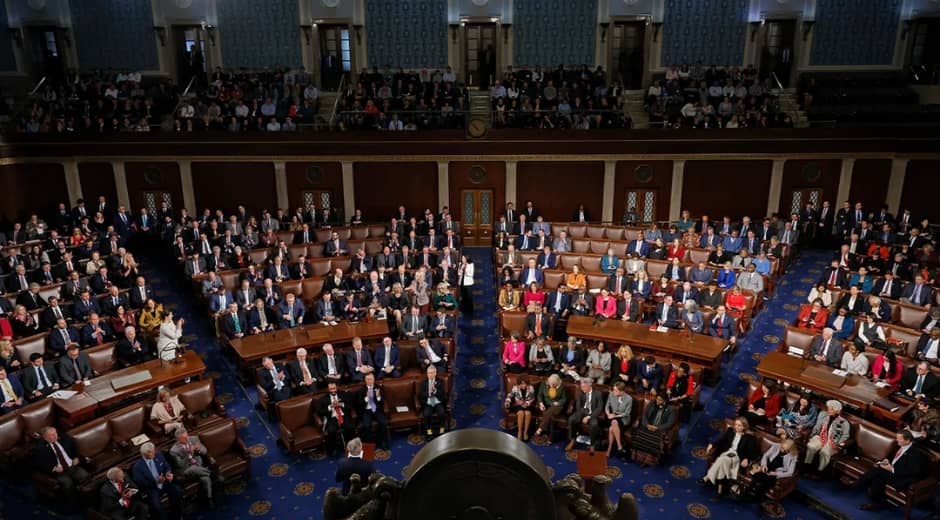
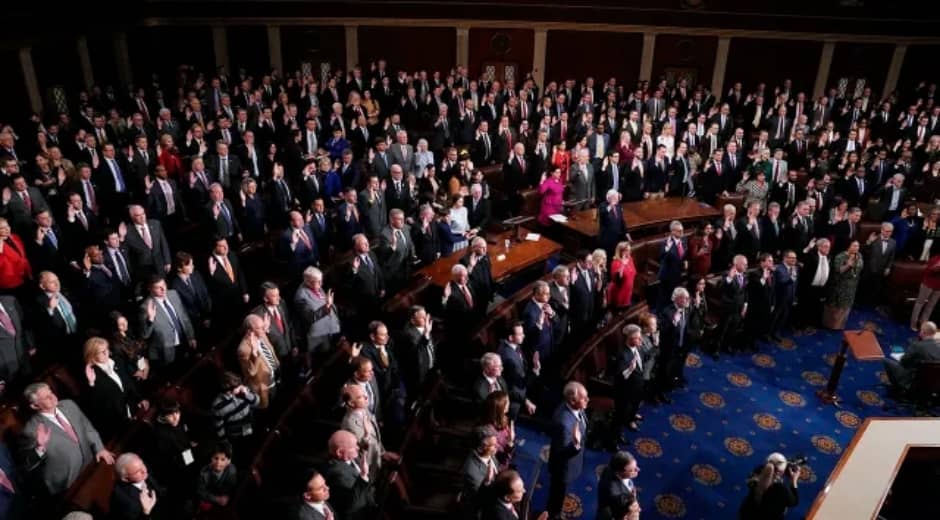
For example, when reviewing national-level policy updates or regulatory planning, journalists often track feedback trends to determine whether Public opinion influences outcomes. Outlets like
https://www.reuters.com/world/us/
frequently report on cases where consultation either significantly shapes or fails to shape legislation and administrative action. These analyses highlight how the effectiveness of consultation depends on how comments are synthesized, categorized, and prioritized within governing structures.

Who Participates and Who Gets Heard?

Another challenge is representation. Participation is frequently stronger among groups with more resources, time, and established civic habits. Individuals with less access to political knowledge, stable schedules, or digital tools may be less likely to engage. This can result in Public input that reflects only a subset of society.

Similarly, stakeholder groups such as property developers, industry associations, or advocacy networks may have disproportionate influence due to coordinated messaging. While organized input can be valuable, it must be balanced against individual citizen voices to maintain legitimacy. Policymakers face the responsibility of ensuring that consultation reflects not just the loudest but the broadest range of Public sentiment.

Processing Feedback and Decision Integration

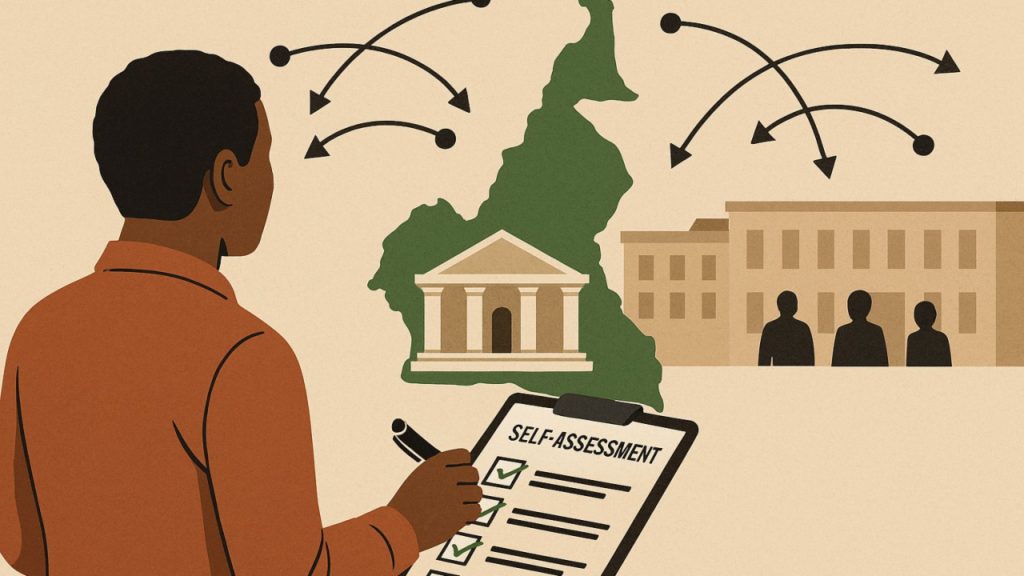
For consultation to have substantive impact, there must be a transparent path between Public input and decision outcomes. This means documenting how feedback is reviewed, which themes emerge, how conflicting priorities are resolved, and where trade-offs occur. Without this clarity, consultation risks becoming symbolic rather than transformative.

Some governments have adopted reporting models where policy drafts are published alongside summaries of Public contributions and explanations of how these contributions influenced revisions. This builds trust even when not every suggestion is implemented. The key factor is demonstrating that the Public voice is respected, acknowledged, and considered.

Case Study: Cities with Strong Local Governance Models

Cities that consistently deliver high-quality services often have well-structured consultation systems and strong coordination across departments. Municipal planning offices, community boards, and housing authorities frequently collaborate to align services with neighborhood-level feedback. Engagement platforms that encourage data-sharing and cross-sector cooperation can help translate Public priorities into workable policy frameworks.

Some urban development projects also encourage lifestyle participation. For instance, guides and planning resources at
https://metropropertyhomes.com/
illustrate how residential environments evolve when community preferences are integrated into their final forms. Whether addressing transit access, green space, or housing density, input-driven planning can support more functional and sustainable neighborhoods.

Technology and Digital Participation

Digital systems have made consultation more accessible, but they have also introduced new challenges. Online platforms can expand reach, yet they must be designed carefully to prevent misinformation, coordination bias, or automated participation. When executed effectively, digital consultation can bring younger demographics into decision-making processes and broaden the national conversation.

However, effective digital governance requires verification systems, moderation frameworks, and methodological transparency. Without these safeguards, the Public dialogue may be distorted, undermining credibility.

Transparency and Long-Term Trust

Meaningful consultation contributes to institutional trust. Citizens are more likely to support policies they have helped shape. They are more willing to accept trade-offs when the decision-making journey is visible and honest. Conversely, when consultation is shallow, poorly documented, or clearly symbolic, trust erodes quickly.

Trust is not built by inviting the Public to speak. It is built by demonstrating that their voice matters.

Conclusion

The real measure of consultation is not the number of meetings held or comments collected, but whether Public input results in visible impact. Effective consultation requires representation, transparency, structural openness, and a willingness to adapt. Governments that understand this can strengthen legitimacy, improve service delivery, and create policies that align with lived experiences. Those that treat consultation as formality will face disengagement and skepticism.

For continued research, policy commentary, and governance analysis, readers can explore:
https://politicxy.com

The Pulse of Movies

Scroll to Top
Receive the latest news

Subscribe To Our Weekly Newsletter

Get notified about new articles