Politics today is not merely a contest of policies, personalities, or ideologies—it is a contest of Electoral Dynamics. As societies transform, new forces are redefining how elections are fought, won, and remembered. These dynamics reflect a blend of demographic changes, digital strategies, and cultural undercurrents that shape every democratic process.
Understanding Electoral Dynamics is essential for grasping why political outcomes increasingly defy traditional predictions. Voter loyalty has weakened, social media has replaced street rallies, and grassroots networks now rival old party machines. The battlefield of democracy has moved from physical squares to digital screens.
The Evolution of Electoral Behavior
For much of the 20th century, voting patterns were relatively stable. Citizens aligned with political parties based on class, geography, or religion. However, in the 21st century, identity, culture, and media influence play a larger role.
The rise of independent voters and issue-based movements has eroded the dominance of traditional parties. In many democracies, electoral volatility has become the norm. Political analysts often describe this as the “age of fluid voters,” where allegiance is temporary, and emotional connection often outweighs policy substance.
The modern voter does not simply choose a candidate—they choose a story that aligns with their worldview.
Demographics and the Power of the Generational Shift
Demographic transformation is one of the strongest drivers of Electoral Dynamics. Younger generations tend to prioritize social equity, climate change, and technological innovation, while older demographics often favor stability and conservative values.
For example, Gen Z and Millennials are now the largest voting bloc in several democracies, from the United States to India. Their digital fluency and social activism are reshaping campaign strategies. Political parties must adapt or risk becoming irrelevant.
Migration also plays a significant role. In Europe and North America, immigration patterns have diversified electorates, forcing candidates to address multicultural realities.
Technology’s Influence on Elections
Technology has fundamentally redefined how campaigns operate. Data analytics, artificial intelligence, and targeted advertising have replaced intuition with precision.
Through predictive modeling, campaign strategists can identify swing voters and tailor messages to their individual preferences. However, this micro-targeting raises ethical questions about privacy, manipulation, and transparency.
Platforms like Politico frequently analyze how digital campaigning influences public trust and electoral fairness. Their reports highlight both innovation and risk—showing that while technology empowers outreach, it can also polarize societies if misused.
Social media’s role in Electoral Dynamics cannot be overstated. Memes, hashtags, and viral content shape narratives far more effectively than televised debates ever did. Online discourse now determines what issues dominate public attention.
Media Ecosystems and Agenda Setting
Traditional journalism still influences elections, but its dominance is challenged by fragmented information ecosystems. Citizens today receive news through algorithmic feeds rather than editors. This has democratized information, but also amplified misinformation.
The ability of political actors to “set the agenda” now depends on narrative control rather than institutional authority. Whoever frames the issue first often wins the debate.
To combat misinformation, media literacy and public education are essential. Countries investing in fact-checking and digital awareness programs show higher voter confidence and lower polarization.
The Role of Economic Uncertainty
Economic conditions remain a cornerstone of Electoral Dynamics. Rising inequality, inflation, and unemployment directly impact voter sentiment. Political parties that fail to address economic pain risk losing legitimacy.
For instance, the 2008 global financial crisis triggered populist waves in Europe and the U.S., while the pandemic reshaped perceptions of government competence. Economic insecurity fuels political volatility—voters switch allegiances rapidly in search of solutions.
Today, even stable economies experience electoral shocks due to growing distrust in institutions. Transparency and inclusive policies are no longer optional—they are political survival tools.
Global Electoral Realignments
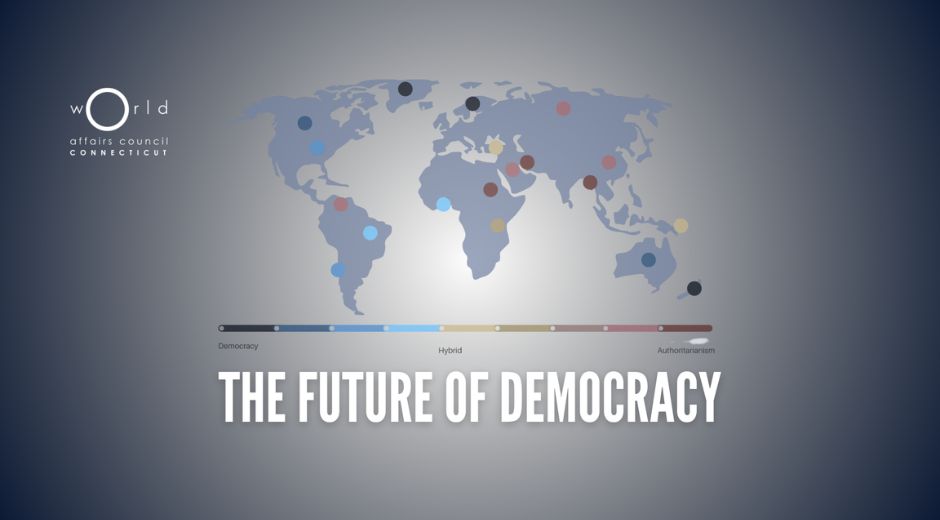
Worldwide, new Electoral Dynamics are redrawing the map of power. In Latin America, voters are oscillating between left and right populism. In Africa, youthful electorates demand digital transformation and anti-corruption reform.
In Asia, economic growth combined with nationalism shapes electoral narratives, while Europe faces fragmentation due to regional movements and identity politics.
These global shifts show that democracy is not static. It evolves according to each generation’s priorities and fears.
Case Study: The European Parliament Elections
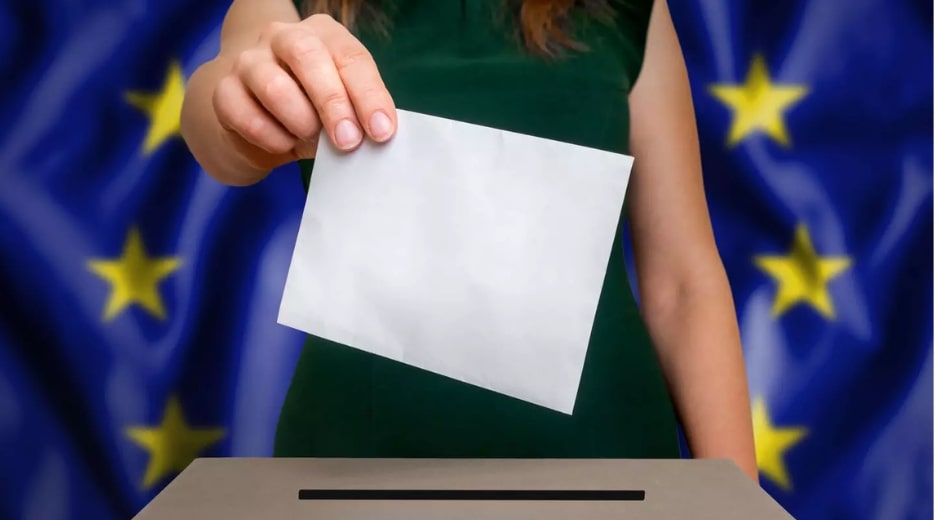
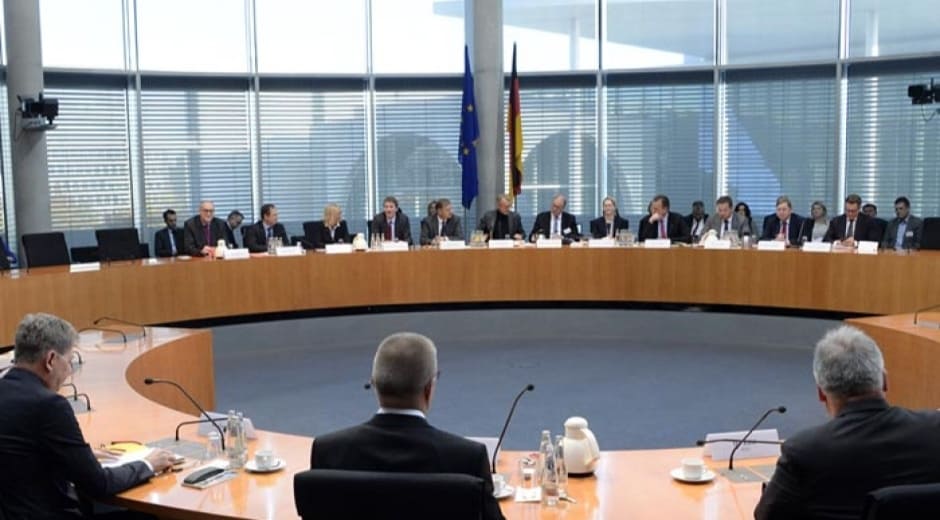
Recent European Parliament elections demonstrated how emerging Electoral Dynamics are transforming continental politics. Green parties surged among young voters concerned with climate policy, while nationalist movements gained traction in rural regions.
This dual movement reflects the polarization of modern politics—where environmental progressivism and cultural conservatism coexist but rarely converge. The results underscored that the new political center must be built through compromise, not dominance.
Challenges for the Future
As Electoral Dynamics evolve, they pose significant challenges:
-
Misinformation: Deepfakes and manipulated content can alter voter perceptions.
-
Voter Fatigue: Constant campaigning desensitizes citizens.
-
Trust Deficits: Declining faith in institutions undermines legitimacy.
-
Polarization: Social divisions threaten democratic stability.
Overcoming these requires robust electoral institutions, transparent communication, and stronger civic education. Democracies that fail to adapt risk alienating their citizens and empowering authoritarian alternatives.
Internal Perspective and External Insight
At Politicxy, we analyze Electoral Dynamics to understand how nations adapt to shifting political realities. Our focus is not just on who wins, but why they win—and what these patterns reveal about public sentiment.
You can explore more detailed breakdowns and comparative analyses directly on Politicxy. For broader insights into international election coverage, visit Museatime, where your team can update the relevant source link daily.
Conclusion
Electoral Dynamics represent the heartbeat of democracy. They show that elections are not just about ballots, but about beliefs, behaviors, and social momentum.
As demographics evolve and technology reshapes engagement, political success will depend on agility and authenticity. Parties that listen, adapt, and communicate transparently will thrive in this new landscape.
Democracy’s strength lies in its ability to reinvent itself. And as Electoral Dynamics continue to evolve, so too will the world’s understanding of what true representation means.
Would you like me to now create the final article for the extra category (a bonus or rotating feature) to complete your four daily posts for Politicxy?