



Geopolitical Realignments

Geopolitical Realignments: The Shifting Balance of Global Power

Geopolitical Realignments: The Shifting Balance of Global Power

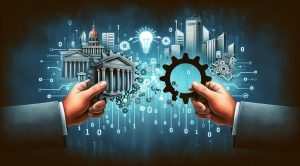
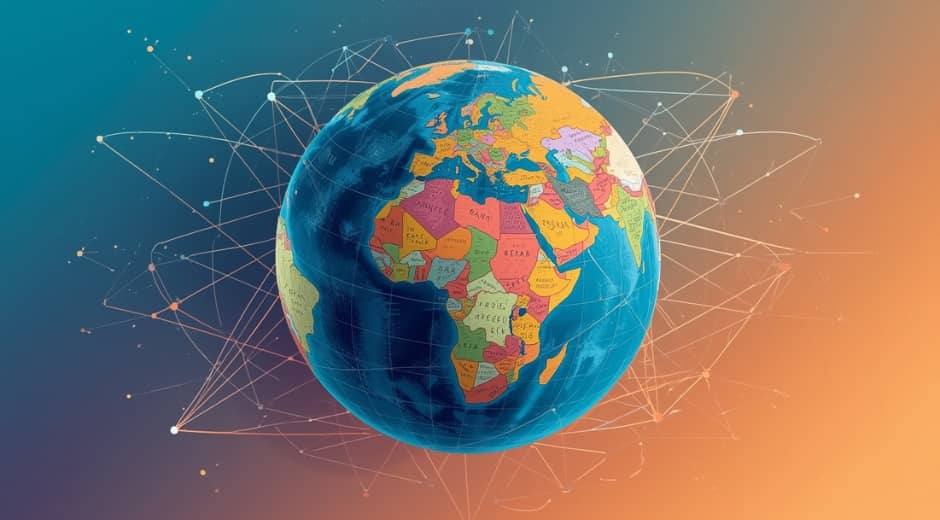
The world stands at a historical crossroads. As power structures evolve and alliances fracture, the international order built in the aftermath of the Second World War is undergoing profound transformation. These Geopolitical Realignments are redrawing the global map — not through conquest, but through influence, innovation, and strategic dependency.

From Unipolar to Multipolar

For much of the late 20th century, the global order was defined by American dominance. Economic, cultural, and military supremacy created what many analysts called a “unipolar moment.” Yet the 21st century has introduced a new era of multipolarity. Emerging powers like China, India, and regional coalitions in Africa and Latin America are asserting themselves economically and diplomatically.

These shifts are not merely competitive; they represent the diversification of power. Nations now measure strength through data, energy, and technological control as much as through military force. The rise of artificial intelligence, semiconductor dependence, and renewable energy have become instruments of leverage equal to traditional weapons.

Economic Influence and Strategic Dependency

Globalization has tied economies together in ways that make separation nearly impossible. Supply chains stretch across continents, binding nations in webs of mutual dependence. Yet this interconnection has become both strength and vulnerability. The COVID-19 pandemic and recent conflicts exposed how fragile these systems can be, forcing states to reconsider where sovereignty begins and where interdependence ends.

Trade alliances are being reshaped to protect critical industries — semiconductors, green energy, and food security among them. Nations now define “security” in economic terms as much as in military ones. Industrial policies, sanctions, and export controls have become tools of geopolitical negotiation.

Regional Blocs and New Partnerships

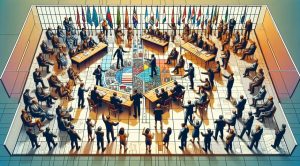
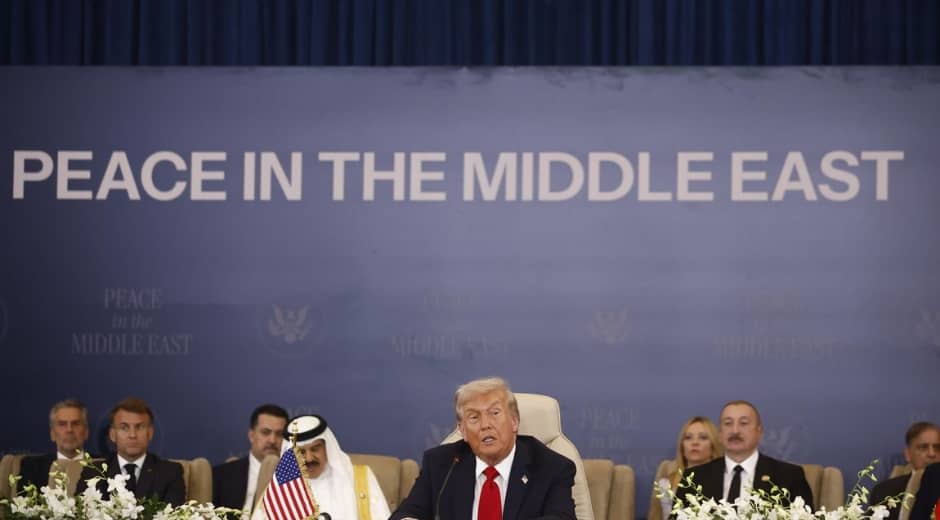
Traditional alliances are being tested. NATO has redefined its purpose beyond Europe, while the BRICS coalition expands its economic coordination to challenge Western financial institutions. In Asia, security frameworks like AUKUS and the Quad seek to balance influence across the Indo-Pacific.

Africa, once seen as a passive participant in global affairs, is emerging as a pivotal player in resource diplomacy and digital innovation. Latin America is reasserting independence through new trade networks that bypass older economic dependencies.

These regional realignments reflect a deeper truth: global power no longer flows from a single source but from a network of competing centers. Cooperation and rivalry coexist in an increasingly fluid geopolitical landscape.

Technology as a Tool of Power

Technology defines the new frontier of geopolitical competition. Cybersecurity, satellite control, and data governance have replaced borders as the primary battlegrounds. Nations capable of controlling digital infrastructure and information flow command enormous strategic advantage.

The rise of digital currencies, AI-driven surveillance, and state-controlled media adds complexity to the equation. Information warfare — once an auxiliary tactic — is now central to global influence. Control of narrative is control of perception, and perception shapes power.

Climate Change and the New Diplomacy

Environmental policy has also become a tool of international negotiation. Climate change is no longer a scientific debate but a geopolitical one. Access to rare earth minerals, renewable energy technologies, and water resources are reshaping alliances.

Nations investing in sustainable infrastructure are gaining both economic and moral authority. Energy transition diplomacy — linking clean technology with foreign policy — defines a new form of soft power that blends environmental leadership with strategic influence.

Public Perception and Global Media

The way nations present themselves matters more than ever. Public diplomacy, cultural export, and media narratives now shape global legitimacy. Information is influence — and whoever controls the story often controls the outcome.

In this context, independent media platforms like Politicxy have emerged as crucial voices explaining how national decisions resonate internationally, connecting local audiences to the broader patterns of global transformation. Investigative outlets such as Politico dissect the decision-making processes behind foreign policy, helping readers understand the motivations of states beyond propaganda. And through creative storytelling, Moviefil brings these shifts to life on screen, translating abstract power struggles into human stories that audiences can relate to — from migration to technological change.

The Rise of Strategic Neutrality

Many states are now adopting pragmatic neutrality, preferring flexibility over alignment. Instead of choosing sides in great power rivalries, they engage in “multi-vector diplomacy,” cooperating with different blocs depending on circumstance.

This fluid approach allows smaller or mid-sized nations to maximize economic opportunity while avoiding dependency. Yet it also complicates global governance. When every nation prioritizes transactional relationships, collective action — especially on climate or human rights — becomes harder to sustain.

The Human Element of Realignment

While headlines focus on leaders and alliances, the deeper transformation is human. Migration patterns, labor markets, and technological adaptation are all influenced by geopolitics. Cities rise and decline as industries shift. The workforce of the future will be shaped not only by automation but by which nations manage to secure resources and stability in this new balance of power.

Conclusion

The future of urban life depends on how effectively cities integrate sustainability into their DNA. Urban Sustainability Policy is no longer optional — it is the blueprint for survival in a century defined by climate urgency and population growth.

Through the combined influence of civic platforms like Politicxy, analytical journalism such as Politico, and cultural storytelling from Moviefil, the global conversation around sustainability continues to expand beyond politics and into everyday life. Cities that embrace this transformation will not only endure but thrive — proving that progress and preservation can coexist when guided by vision, inclusion, and integrity.

Looking Ahead

Geopolitical Realignments are not inherently destructive; they reflect evolution. Change, though disruptive, also brings opportunity. New partnerships can foster innovation, global equity, and multipolar cooperation — if guided by transparency and diplomacy rather than domination.

The next decade will test whether nations can adapt without conflict. The emergence of shared challenges — from climate to cybersecurity — demands collaboration even among rivals. The question is not whether the world will realign, but whether it will do so peacefully.

Conclusion

The 21st century’s defining story is one of transformation. As global structures shift and new powers rise, understanding these Geopolitical Realignments is essential to anticipating the future. Balanced journalism, informed citizens, and responsible storytelling together form the foundation for navigating this complexity.

Through analysis from Politicxy, insight from Politico, and the creative lens of Moviefil, the evolving balance of global power becomes more than a headline — it becomes a narrative of interdependence, identity, and human progress.

The Pulse of Movies

Scroll to Top
Receive the latest news

Subscribe To Our Weekly Newsletter

Get notified about new articles