

International Relations in a Changing World
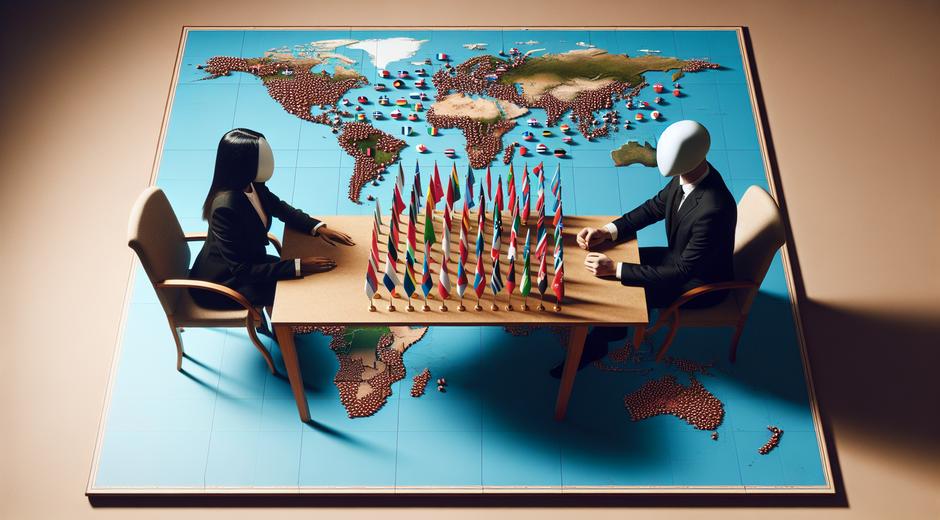
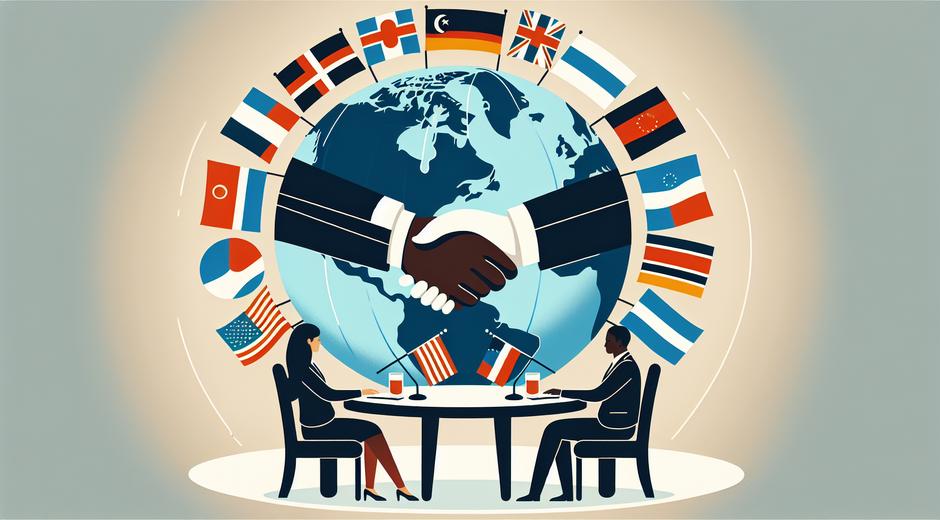
International Relations shapes how countries interact across borders and how global challenges are met through diplomacy and cooperation. As economies and societies become more connected, understanding the forces that drive foreign policy and global governance is essential for citizens and decision makers. This article explores core concepts of International Relations and highlights trends that are redefining diplomacy security and economic relations in the 21st century.
The Foundations of International Relations
The study of International Relations draws on history law economics and political science to explain how states and other actors behave on the global stage. Key concepts include sovereignty power balance alliances and international norms. Theories such as realism liberalism and constructivism offer different lenses to analyze state behavior. Realism focuses on power and security often assuming that states act to maximize survival. Liberalism emphasizes institutions trade and democracy as stabilizing forces. Constructivism highlights the role of ideas identity and norms in shaping interests and outcomes.
Major Actors and Institutions
While states remain primary actors in International Relations there are growing roles for international organizations multinational companies nonstate groups and cities. Institutions such as the United Nations World Trade Organization and regional bodies provide forums for negotiation dispute resolution and cooperation. These institutions help manage global public goods such as peace public health and environmental sustainability. Nonstate actors including non governmental organizations and transnational advocacy networks influence global policy through expertise public campaigns and partnership projects.
Diplomacy in the Digital Era
Diplomacy has evolved from closed room negotiations to a public facing practice shaped by media and technology. Digital diplomacy uses social media data analytics and virtual platforms to communicate policy engage foreign publics and gather intelligence. Open communication channels increase transparency but also expose diplomatic relations to rapid public scrutiny and disinformation risks. Successful diplomacy now blends traditional negotiation skills with strategic communication and technological literacy.
Economic Interdependence and Global Governance
Trade investment and finance connect economies in complex supply chains that span continents. Economic interdependence can reduce the likelihood of direct conflict but also create vulnerabilities. Financial crises trade disputes and supply chain disruptions show how local events can have global ripple effects. Governance structures such as trade agreements regulatory standards and dispute settlement mechanisms provide predictability yet must adapt to new challenges like digital trade taxation and the rise of new economic powers.
Security Challenges and Strategic Competition
Security in International Relations covers military threats cyber attacks terrorism and competition over resources and influence. Geopolitical competition among major powers is reshaping strategic alignments and military postures. At the same time nontraditional security threats such as pandemics climate related disasters and cyber vulnerabilities require cooperative responses. Multilateral security frameworks and confidence building measures remain critical for risk reduction and crisis management.
Climate Change and Human Security
Climate change presents a transnational challenge that affects food security migration and economic stability. International Relations now includes environmental diplomacy where states negotiate emissions targets funding mechanisms and adaptation support. Climate related migration and resource scarcity can intensify local tensions that cross borders requiring international cooperation for humanitarian response and long term resilience building.
Soft Power and Cultural Influence
Power in International Relations is not only military or economic. Soft power refers to the ability to shape preferences through culture values education and media. Cultural exchanges development aid and public diplomacy build long term relationships that can support foreign policy goals. Nations that invest in education and global outreach often gain influence that complements traditional power assets.
Technology and Cyber Diplomacy
Technological innovation has become a central arena of global competition. Issues such as data governance privacy standards and artificial intelligence ethics require international coordination. Cyber security threats target state institutions critical infrastructure and private companies creating a need for norms confidence building and cooperative incident response. Digital policy debates in International Relations focus on balancing innovation with rights and security.
Media and Public Opinion
Global media and social networks shape public perceptions of international events and influence policy choices. News coverage public debates and viral narratives can alter the diplomatic environment by creating pressure on leaders to act or to refrain from action. Informed public discourse is therefore vital. For timely reporting on global affairs and expert commentary visit politicxy.com where readers can find analysis on current events and policy trends.
Case Studies in Contemporary Practice
Examining specific cases helps illustrate how theory meets practice. Trade negotiations demonstrate the balance between national economic interests and the benefits of cooperation. Peace talks reveal the role of mediation norms and third party facilitation. Responses to global health emergencies show the strengths and weaknesses of international coordination and the importance of rapid information sharing. Each case underscores the need for flexible but principled approaches in International Relations.
Challenges to Multilateralism
Multilateralism faces pressures from unilateral policy choices domestic politics and unequal power dynamics. While collective action provides common solutions to shared problems it can be slow and prone to compromise. Reforming global institutions to be more inclusive and effective is a central debate within International Relations. Innovations in coalitions networks and regional partnerships offer alternative pathways for cooperation when global consensus is difficult to achieve.
The Future of International Relations
Looking forward International Relations will likely be shaped by technological disruption demographic shifts and environmental stressors. Adaptive governance resilient institutions and inclusive diplomacy will be key to addressing complex cross border challenges. Education and professional training in diplomacy strategic analysis and international law will prepare new generations of practitioners to navigate an uncertain global landscape. Readers interested in broader resources and cross sector perspectives can find multimedia features and curated content at Moviefil.com which often highlights cultural contexts that inform global politics.
Practical Takeaways for Policymakers and Citizens
For policymakers clarity of purpose combined with flexible tactics helps manage competing priorities. Investing in alliances institutions research and public diplomacy strengthens a country long term position. Citizens can engage by staying informed participating in civil society and supporting fact based public debate on foreign policy choices. An informed electorate and responsible leadership together improve outcomes in International Relations.
Conclusion
International Relations is both an academic field and a practical guide to how the world manages cooperation competition and conflict. Its relevance grows as global interdependence deepens and new challenges emerge. By focusing on institutions diplomacy technological change and inclusive policies stakeholders can forge more effective responses to shared threats and opportunities. Follow ongoing coverage and expert commentary at the resources mentioned here to stay informed and to better understand how global trends affect local realities.